

170
M. Heshmat et al.
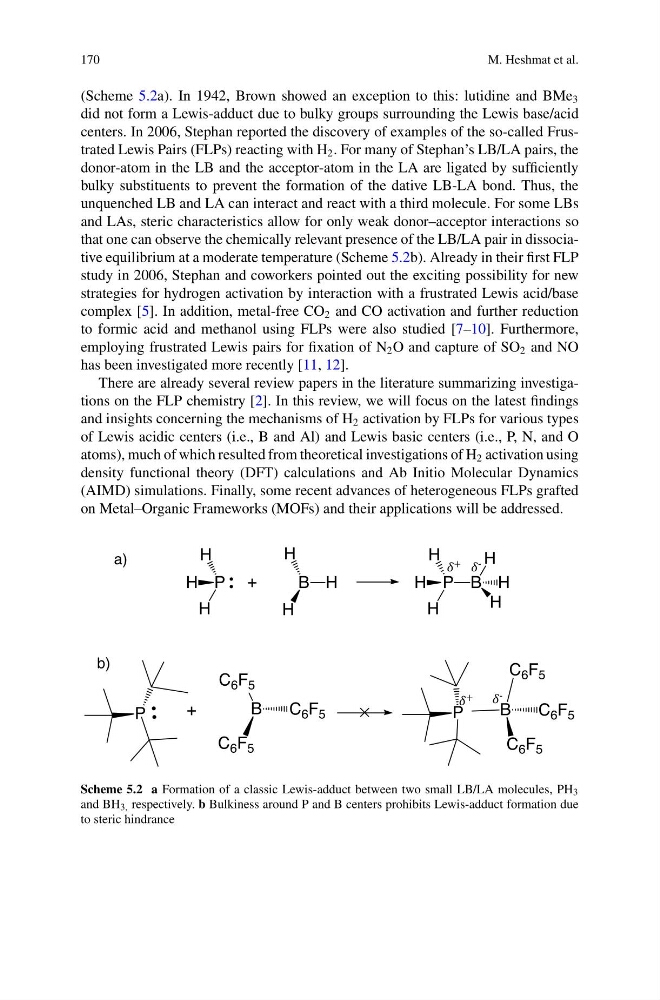
(Scheme 5.2a). In 1942, Brown showed an exception to this: lutidine and BMe 3
did not form a Lewis-adduct due to bulky groups surrounding the Lewis base/acid
centers. In 2006, Stephan reported the discovery of examples of the so-called Frustrated Lewis Pairs (FLPs) reacting with H 2 . For many of Stephan’s LB/LA pairs, the
donor-atom in the LB and the acceptor-atom in the LA are ligated by sufficiently
bulky substituents to prevent the formation of the dative LB-LA bond. Thus, the
unquenched LB and LA can interact and react with a third molecule. For some LBs
and LAs, steric characteristics allow for only weak donor–acceptor interactions so
that one can observe the chemically relevant presence of the LB/LA pair in dissociative equilibrium at a moderate temperature (Scheme 5.2b). Already in their first FLP
study in 2006, Stephan and coworkers pointed out the exciting possibility for new
strategies for hydrogen activation by interaction with a frustrated Lewis acid/base
complex [5]. In addition, metal-free CO 2 and CO activation and further reduction
to formic acid and methanol using FLPs were also studied [7–10]. Furthermore,
employing frustrated Lewis pairs for fixation of N 2 O and capture of SO 2 and NO
has been investigated more recently [11, 12].
There are already several review papers in the literature summarizing investigations on the FLP chemistry [2]. In this review, we will focus on the latest findings
and insights concerning the mechanisms of H 2 activation by FLPs for various types
of Lewis acidic centers (i.e., B and Al) and Lewis basic centers (i.e., P, N, and O
atoms), much of which resulted from theoretical investigations of H 2 activation using
density functional theory (DFT) calculations and Ab Initio Molecular Dynamics
(AIMD) simulations. Finally, some recent advances of heterogeneous FLPs grafted
on Metal–Organic Frameworks (MOFs) and their applications will be addressed.
a)
b)
Scheme 5.2 a Formation of a classic Lewis-adduct between two small LB/LA molecules, PH 3
and BH 3, respectively. b Bulkiness around P and B centers prohibits Lewis-adduct formation due
to steric hindrance
M. Heshmat et al.
(Scheme 5.2a). In 1942, Brown showed an exception to this: lutidine and BMe 3
did not form a Lewis-adduct due to bulky groups surrounding the Lewis base/acid
centers. In 2006, Stephan reported the discovery of examples of the so-called Frustrated Lewis Pairs (FLPs) reacting with H 2 . For many of Stephan’s LB/LA pairs, the
donor-atom in the LB and the acceptor-atom in the LA are ligated by sufficiently
bulky substituents to prevent the formation of the dative LB-LA bond. Thus, the
unquenched LB and LA can interact and react with a third molecule. For some LBs
and LAs, steric characteristics allow for only weak donor–acceptor interactions so
that one can observe the chemically relevant presence of the LB/LA pair in dissociative equilibrium at a moderate temperature (Scheme 5.2b). Already in their first FLP
study in 2006, Stephan and coworkers pointed out the exciting possibility for new
strategies for hydrogen activation by interaction with a frustrated Lewis acid/base
complex [5]. In addition, metal-free CO 2 and CO activation and further reduction
to formic acid and methanol using FLPs were also studied [7–10]. Furthermore,
employing frustrated Lewis pairs for fixation of N 2 O and capture of SO 2 and NO
has been investigated more recently [11, 12].
There are already several review papers in the literature summarizing investigations on the FLP chemistry [2]. In this review, we will focus on the latest findings
and insights concerning the mechanisms of H 2 activation by FLPs for various types
of Lewis acidic centers (i.e., B and Al) and Lewis basic centers (i.e., P, N, and O
atoms), much of which resulted from theoretical investigations of H 2 activation using
density functional theory (DFT) calculations and Ab Initio Molecular Dynamics
(AIMD) simulations. Finally, some recent advances of heterogeneous FLPs grafted
on Metal–Organic Frameworks (MOFs) and their applications will be addressed.
a)
b)
Scheme 5.2 a Formation of a classic Lewis-adduct between two small LB/LA molecules, PH 3
and BH 3, respectively. b Bulkiness around P and B centers prohibits Lewis-adduct formation due
to steric hindrance