

11
driver had gone, Izeta had left, the Observatory had disappeared, everybody
was gone, and we were left alone in our unfamiliar surroundings. In a little
while even the electric lights expired. We had to light candles that they had
given us for just such an eventuality. Exploring this shadowy world with a
small torch merely served to make us yet more apprehensive when we pushed
the creaking doors of the few rooms we could enter to discover beds and lumber piled up as if there had been a raid. It had been God knows how long since
anybody had lived in that ramshackle cabin.
I shall never forget that night of horrors. Mary and I slept fitfully huddled
together, not so much because we were newlyweds but simply to ward off the
cold and fear. We could hear creatures, no doubt rodents, scurrying under the
floorboards while cold, wet draughts licked our heads. In my brief moments
of sleep, I lived and relived a recurring nightmare based on the heaving log
cabin in Gold Rush, the hapless hero being me instead of Charlie Chaplin.
We quickly became aware that the tools at our disposal for doing astronomical prospection were few and, to make matters even worse, defective and
unsuited to the task in hand. On seeing this, the bleak panorama that Izeta
and Zalote had painted did not seem to us to be quite so exaggerated after all.
Once on site it became abundantly clear to us that nobody knew how to carry
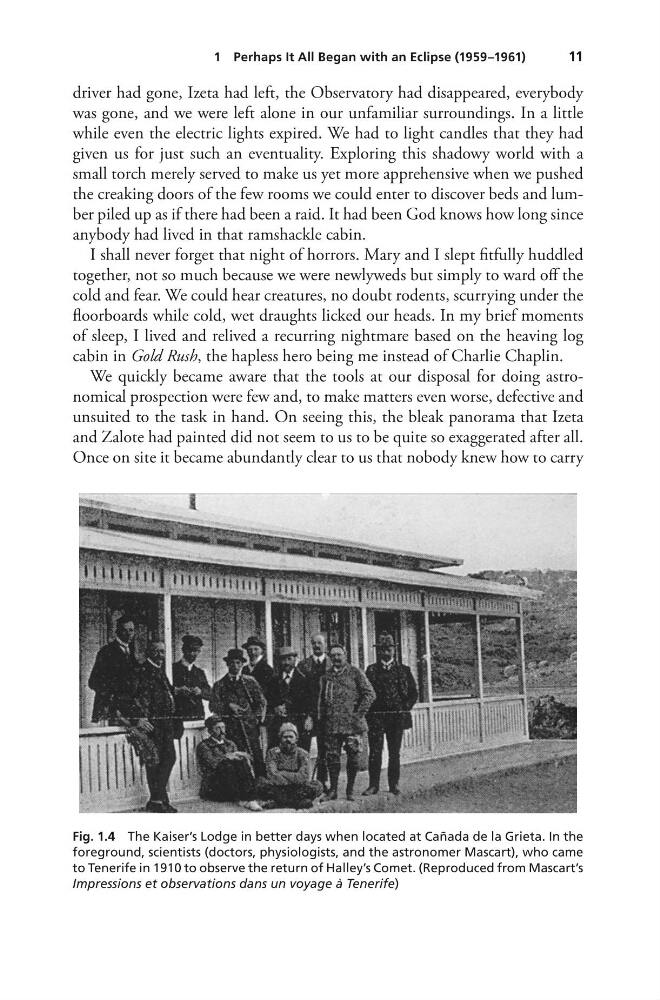
Fig. 1.4 The Kaiser’s Lodge in better days when located at Cañada de la Grieta. In the
foreground, scientists (doctors, physiologists, and the astronomer Mascart), who came
to Tenerife in 1910 to observe the return of Halley’s Comet. (Reproduced from Mascart’s
Impressions et observations dans un voyage à Tenerife)
1 Perhaps It All Began with an Eclipse (1959–1961)
driver had gone, Izeta had left, the Observatory had disappeared, everybody
was gone, and we were left alone in our unfamiliar surroundings. In a little
while even the electric lights expired. We had to light candles that they had
given us for just such an eventuality. Exploring this shadowy world with a
small torch merely served to make us yet more apprehensive when we pushed
the creaking doors of the few rooms we could enter to discover beds and lumber piled up as if there had been a raid. It had been God knows how long since
anybody had lived in that ramshackle cabin.
I shall never forget that night of horrors. Mary and I slept fitfully huddled
together, not so much because we were newlyweds but simply to ward off the
cold and fear. We could hear creatures, no doubt rodents, scurrying under the
floorboards while cold, wet draughts licked our heads. In my brief moments
of sleep, I lived and relived a recurring nightmare based on the heaving log
cabin in Gold Rush, the hapless hero being me instead of Charlie Chaplin.
We quickly became aware that the tools at our disposal for doing astronomical prospection were few and, to make matters even worse, defective and
unsuited to the task in hand. On seeing this, the bleak panorama that Izeta
and Zalote had painted did not seem to us to be quite so exaggerated after all.
Once on site it became abundantly clear to us that nobody knew how to carry
Fig. 1.4 The Kaiser’s Lodge in better days when located at Cañada de la Grieta. In the
foreground, scientists (doctors, physiologists, and the astronomer Mascart), who came
to Tenerife in 1910 to observe the return of Halley’s Comet. (Reproduced from Mascart’s
Impressions et observations dans un voyage à Tenerife)
1 Perhaps It All Began with an Eclipse (1959–1961)