

237
considerations, with the astronomical quality of the site taking a back seat
(although it would be broadcast as the primary factor under consideration).
We endeavoured to cover all these aspects through specific actions. We had to
promote our best selling points efficaciously and sway those minds that we
could. It was also vital to act quickly. It was not going to be enough to argue
that the IAC Observatories, particularly the ORM, were the best astronomically characterized sites in the world, with more than thirty years of rigorous
site-testing data published, and more than forty years of permanent astronomical observing on the telescopes of more than sixty scientific institutions
from nineteen countries. In spite of all these points in our favour, we decided
to make further specific observations with the latest techniques and instruments. We also needed representation in all forums and groups dedicated to
these topics. And we had to achieve all this with a very small staff. It is incredible that we were able to do almost all of it. Special praise is owed to Casiana
Muñoz Tuñón, Toñi Varela, and their site-testing team.
Since one of ESO’s hobby horses was the claim that the southern hemisphere was more important for ground-based astronomical observing, we
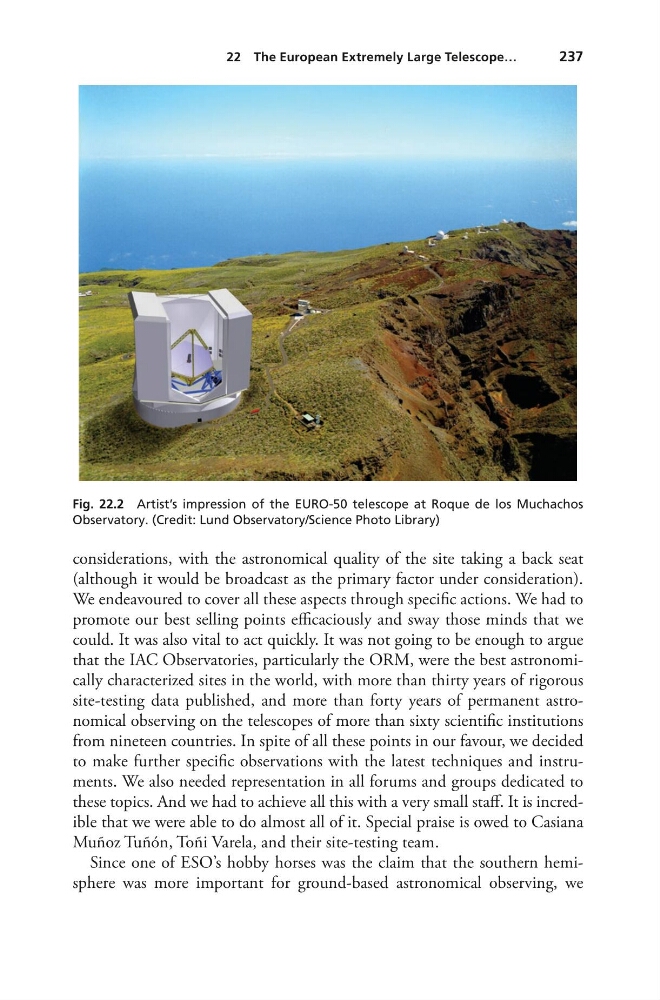
Fig. 22.2 Artist’s impression of the EURO-50 telescope at Roque de los Muchachos
Observatory. (Credit: Lund Observatory/Science Photo Library)
22 The European Extremely Large Telescope…
considerations, with the astronomical quality of the site taking a back seat
(although it would be broadcast as the primary factor under consideration).
We endeavoured to cover all these aspects through specific actions. We had to
promote our best selling points efficaciously and sway those minds that we
could. It was also vital to act quickly. It was not going to be enough to argue
that the IAC Observatories, particularly the ORM, were the best astronomically characterized sites in the world, with more than thirty years of rigorous
site-testing data published, and more than forty years of permanent astronomical observing on the telescopes of more than sixty scientific institutions
from nineteen countries. In spite of all these points in our favour, we decided
to make further specific observations with the latest techniques and instruments. We also needed representation in all forums and groups dedicated to
these topics. And we had to achieve all this with a very small staff. It is incredible that we were able to do almost all of it. Special praise is owed to Casiana
Muñoz Tuñón, Toñi Varela, and their site-testing team.
Since one of ESO’s hobby horses was the claim that the southern hemisphere was more important for ground-based astronomical observing, we
Fig. 22.2 Artist’s impression of the EURO-50 telescope at Roque de los Muchachos
Observatory. (Credit: Lund Observatory/Science Photo Library)
22 The European Extremely Large Telescope…