

187
exoplanets within the framework of ESPRESSO (Echelle SPectrograph for
Rocky Exoplanets and Stable Spectroscopic Observations) and CoRoT; and
the space missions CHEOPS and Plato.
For me, the most important thing is seeing how our astrophysicists use data
obtained from both terrestrial and space observatories in their research, and
how our industry is capable of building and supplying space
instrumentation.
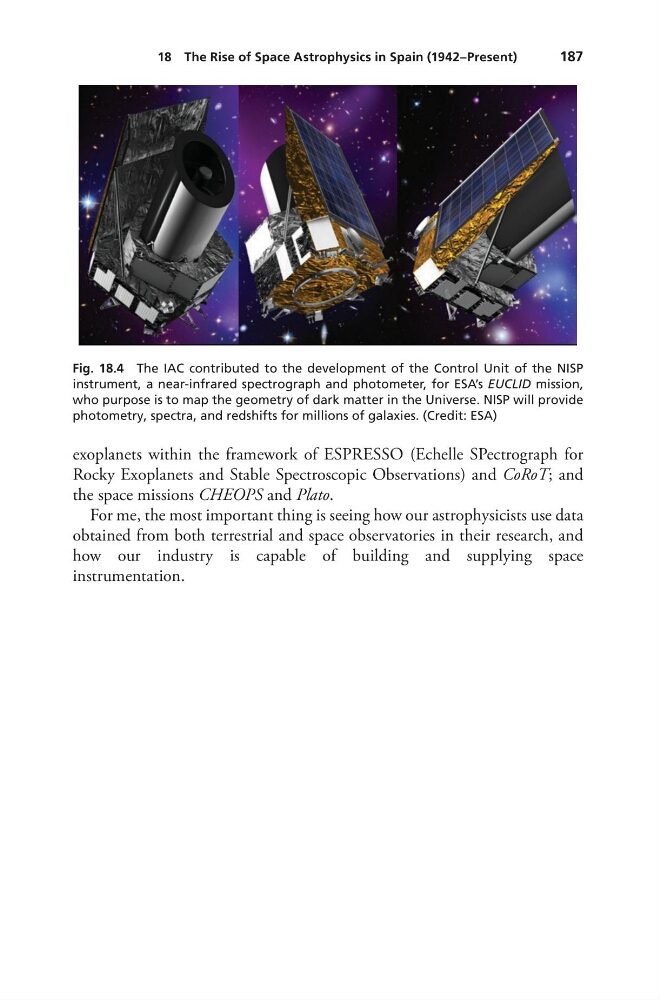
Fig. 18.4 The IAC contributed to the development of the Control Unit of the NISP
instrument, a near-infrared spectrograph and photometer, for ESA’s EUCLID mission,
who purpose is to map the geometry of dark matter in the Universe. NISP will provide
photometry, spectra, and redshifts for millions of galaxies. (Credit: ESA)
18 The Rise of Space Astrophysics in Spain (1942–Present)
exoplanets within the framework of ESPRESSO (Echelle SPectrograph for
Rocky Exoplanets and Stable Spectroscopic Observations) and CoRoT; and
the space missions CHEOPS and Plato.
For me, the most important thing is seeing how our astrophysicists use data
obtained from both terrestrial and space observatories in their research, and
how our industry is capable of building and supplying space
instrumentation.
Fig. 18.4 The IAC contributed to the development of the Control Unit of the NISP
instrument, a near-infrared spectrograph and photometer, for ESA’s EUCLID mission,
who purpose is to map the geometry of dark matter in the Universe. NISP will provide
photometry, spectra, and redshifts for millions of galaxies. (Credit: ESA)
18 The Rise of Space Astrophysics in Spain (1942–Present)