

Research on Wellbore Temperature Field in Deep-Water CML
221
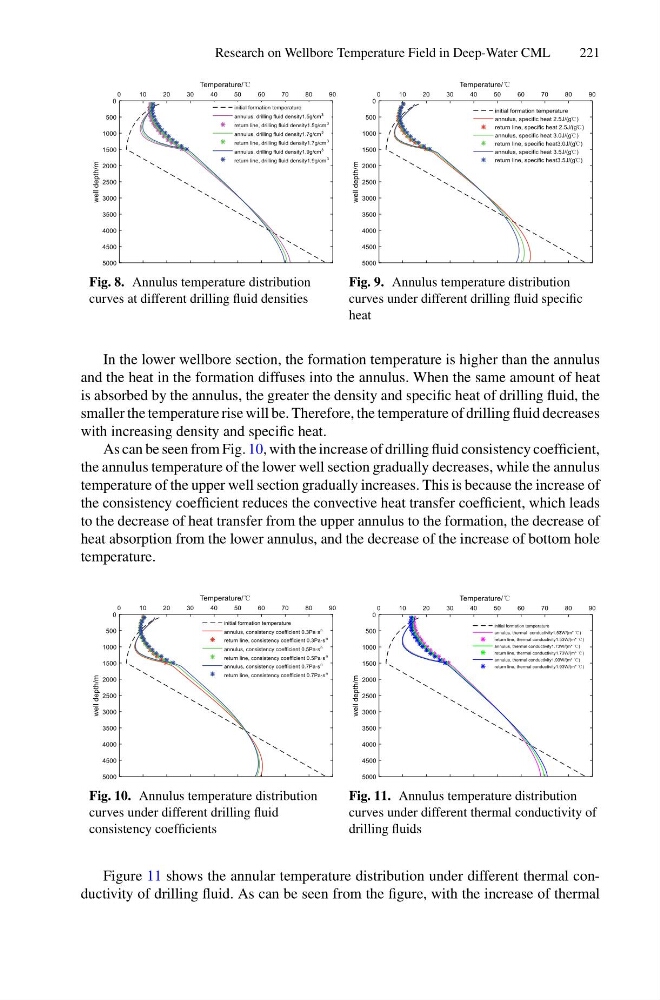
Fig. 8. Annulus temperature distribution
curves at different drilling fluid densities
Fig. 9. Annulus temperature distribution
curves under different drilling fluid specific
heat
In the lower wellbore section, the formation temperature is higher than the annulus
and the heat in the formation diffuses into the annulus. When the same amount of heat
is absorbed by the annulus, the greater the density and specific heat of drilling fluid, the
smaller the temperature rise will be. Therefore, the temperature of drilling fluid decreases
with increasing density and specific heat.
As can be seen from Fig. 10, with the increase of drilling fluid consistency coefficient,
the annulus temperature of the lower well section gradually decreases, while the annulus
temperature of the upper well section gradually increases. This is because the increase of
the consistency coefficient reduces the convective heat transfer coefficient, which leads
to the decrease of heat transfer from the upper annulus to the formation, the decrease of
heat absorption from the lower annulus, and the decrease of the increase of bottom hole
temperature.
Fig. 10. Annulus temperature distribution
curves under different drilling fluid
consistency coefficients
Fig. 11. Annulus temperature distribution
curves under different thermal conductivity of
drilling fluids
Figure 11 shows the annular temperature distribution under different thermal conductivity of drilling fluid. As can be seen from the figure, with the increase of thermal
221
Fig. 8. Annulus temperature distribution
curves at different drilling fluid densities
Fig. 9. Annulus temperature distribution
curves under different drilling fluid specific
heat
In the lower wellbore section, the formation temperature is higher than the annulus
and the heat in the formation diffuses into the annulus. When the same amount of heat
is absorbed by the annulus, the greater the density and specific heat of drilling fluid, the
smaller the temperature rise will be. Therefore, the temperature of drilling fluid decreases
with increasing density and specific heat.
As can be seen from Fig. 10, with the increase of drilling fluid consistency coefficient,
the annulus temperature of the lower well section gradually decreases, while the annulus
temperature of the upper well section gradually increases. This is because the increase of
the consistency coefficient reduces the convective heat transfer coefficient, which leads
to the decrease of heat transfer from the upper annulus to the formation, the decrease of
heat absorption from the lower annulus, and the decrease of the increase of bottom hole
temperature.
Fig. 10. Annulus temperature distribution
curves under different drilling fluid
consistency coefficients
Fig. 11. Annulus temperature distribution
curves under different thermal conductivity of
drilling fluids
Figure 11 shows the annular temperature distribution under different thermal conductivity of drilling fluid. As can be seen from the figure, with the increase of thermal