

206
K. Zhang et al.
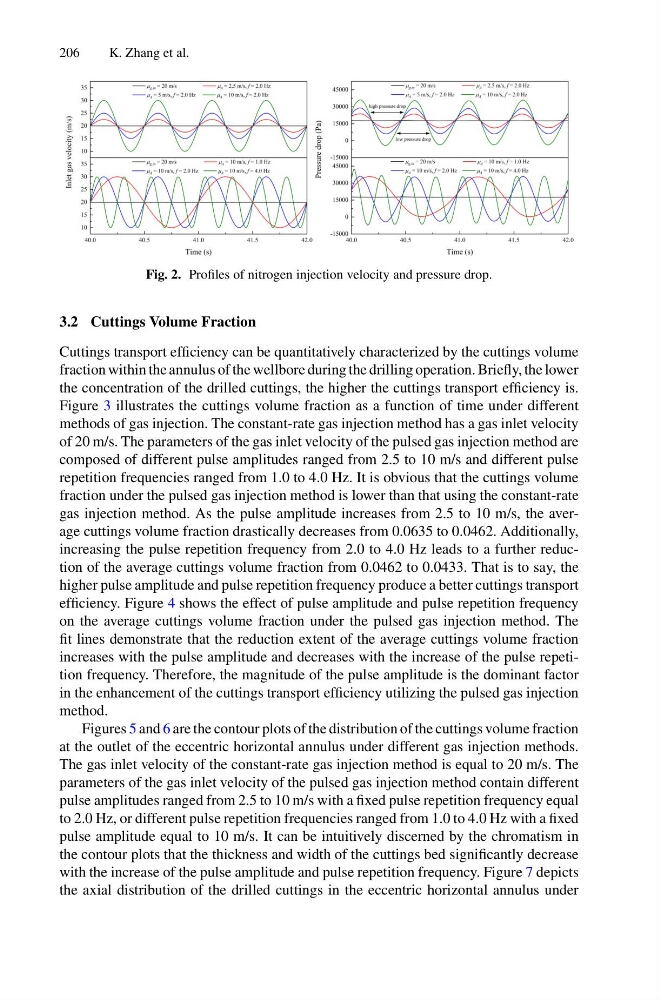
Fig. 2. Profiles of nitrogen injection velocity and pressure drop.
3.2 Cuttings Volume Fraction
Cuttings transport efficiency can be quantitatively characterized by the cuttings volume
fraction within the annulus of the wellbore during the drilling operation. Briefly, the lower
the concentration of the drilled cuttings, the higher the cuttings transport efficiency is.
Figure 3 illustrates the cuttings volume fraction as a function of time under different
methods of gas injection. The constant-rate gas injection method has a gas inlet velocity
of 20 m/s. The parameters of the gas inlet velocity of the pulsed gas injection method are
composed of different pulse amplitudes ranged from 2.5 to 10 m/s and different pulse
repetition frequencies ranged from 1.0 to 4.0 Hz. It is obvious that the cuttings volume
fraction under the pulsed gas injection method is lower than that using the constant-rate
gas injection method. As the pulse amplitude increases from 2.5 to 10 m/s, the average cuttings volume fraction drastically decreases from 0.0635 to 0.0462. Additionally,
increasing the pulse repetition frequency from 2.0 to 4.0 Hz leads to a further reduction of the average cuttings volume fraction from 0.0462 to 0.0433. That is to say, the
higher pulse amplitude and pulse repetition frequency produce a better cuttings transport
efficiency. Figure 4 shows the effect of pulse amplitude and pulse repetition frequency
on the average cuttings volume fraction under the pulsed gas injection method. The
fit lines demonstrate that the reduction extent of the average cuttings volume fraction
increases with the pulse amplitude and decreases with the increase of the pulse repetition frequency. Therefore, the magnitude of the pulse amplitude is the dominant factor
in the enhancement of the cuttings transport efficiency utilizing the pulsed gas injection
method.
Figures 5 and 6 are the contour plots of the distribution of the cuttings volume fraction
at the outlet of the eccentric horizontal annulus under different gas injection methods.
The gas inlet velocity of the constant-rate gas injection method is equal to 20 m/s. The
parameters of the gas inlet velocity of the pulsed gas injection method contain different
pulse amplitudes ranged from 2.5 to 10 m/s with a fixed pulse repetition frequency equal
to 2.0 Hz, or different pulse repetition frequencies ranged from 1.0 to 4.0 Hz with a fixed
pulse amplitude equal to 10 m/s. It can be intuitively discerned by the chromatism in
the contour plots that the thickness and width of the cuttings bed significantly decrease
with the increase of the pulse amplitude and pulse repetition frequency. Figure 7 depicts
the axial distribution of the drilled cuttings in the eccentric horizontal annulus under
K. Zhang et al.
Fig. 2. Profiles of nitrogen injection velocity and pressure drop.
3.2 Cuttings Volume Fraction
Cuttings transport efficiency can be quantitatively characterized by the cuttings volume
fraction within the annulus of the wellbore during the drilling operation. Briefly, the lower
the concentration of the drilled cuttings, the higher the cuttings transport efficiency is.
Figure 3 illustrates the cuttings volume fraction as a function of time under different
methods of gas injection. The constant-rate gas injection method has a gas inlet velocity
of 20 m/s. The parameters of the gas inlet velocity of the pulsed gas injection method are
composed of different pulse amplitudes ranged from 2.5 to 10 m/s and different pulse
repetition frequencies ranged from 1.0 to 4.0 Hz. It is obvious that the cuttings volume
fraction under the pulsed gas injection method is lower than that using the constant-rate
gas injection method. As the pulse amplitude increases from 2.5 to 10 m/s, the average cuttings volume fraction drastically decreases from 0.0635 to 0.0462. Additionally,
increasing the pulse repetition frequency from 2.0 to 4.0 Hz leads to a further reduction of the average cuttings volume fraction from 0.0462 to 0.0433. That is to say, the
higher pulse amplitude and pulse repetition frequency produce a better cuttings transport
efficiency. Figure 4 shows the effect of pulse amplitude and pulse repetition frequency
on the average cuttings volume fraction under the pulsed gas injection method. The
fit lines demonstrate that the reduction extent of the average cuttings volume fraction
increases with the pulse amplitude and decreases with the increase of the pulse repetition frequency. Therefore, the magnitude of the pulse amplitude is the dominant factor
in the enhancement of the cuttings transport efficiency utilizing the pulsed gas injection
method.
Figures 5 and 6 are the contour plots of the distribution of the cuttings volume fraction
at the outlet of the eccentric horizontal annulus under different gas injection methods.
The gas inlet velocity of the constant-rate gas injection method is equal to 20 m/s. The
parameters of the gas inlet velocity of the pulsed gas injection method contain different
pulse amplitudes ranged from 2.5 to 10 m/s with a fixed pulse repetition frequency equal
to 2.0 Hz, or different pulse repetition frequencies ranged from 1.0 to 4.0 Hz with a fixed
pulse amplitude equal to 10 m/s. It can be intuitively discerned by the chromatism in
the contour plots that the thickness and width of the cuttings bed significantly decrease
with the increase of the pulse amplitude and pulse repetition frequency. Figure 7 depicts
the axial distribution of the drilled cuttings in the eccentric horizontal annulus under