

gelatin promoted survival and proliferation only in ReNcells and C17.2 cells. The
hydrogels suppressed the innate immune response and improved viability of ReNcells
injected into the striatum of immunodeficient mice. Interestingly, it was also found that
hydrogel implantation can evoke a hitherto unreported immune response in the brain
of immunocompetent animals. Since its innate immune system is still intact, activation
of microglia and infiltrating leukocytes into the needle track may still be found in the
control animals. In contrast, only a mild response occurred in the hydrogel scaffold
groups. These findings suggest that the hydrogel suppresses the innate immune
response induced by implanted human cells.
Nakaji-Hirabayashi and co-workers also studied a collagen hydrogel with or
without laminin-derived peptides with rats in vivo [41]. Poor viability of cells
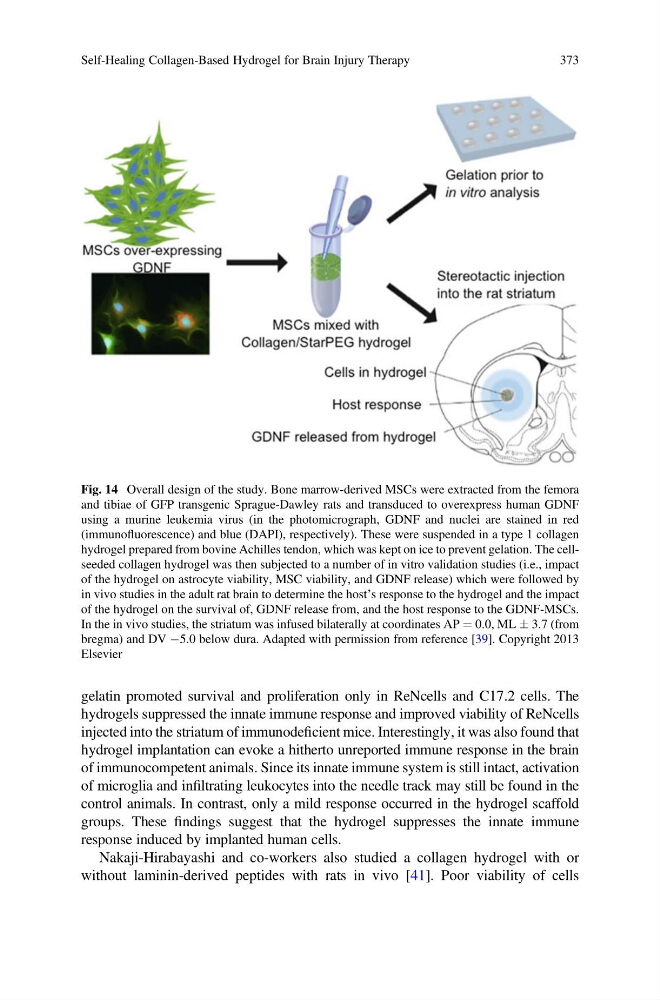
Fig. 14 Overall design of the study. Bone marrow-derived MSCs were extracted from the femora
and tibiae of GFP transgenic Sprague-Dawley rats and transduced to overexpress human GDNF
using a murine leukemia virus (in the photomicrograph, GDNF and nuclei are stained in red
(immunofluorescence) and blue (DAPI), respectively). These were suspended in a type 1 collagen
hydrogel prepared from bovine Achilles tendon, which was kept on ice to prevent gelation. The cellseeded collagen hydrogel was then subjected to a number of in vitro validation studies (i.e., impact
of the hydrogel on astrocyte viability, MSC viability, and GDNF release) which were followed by
in vivo studies in the adult rat brain to determine the host’s response to the hydrogel and the impact
of the hydrogel on the survival of, GDNF release from, and the host response to the GDNF-MSCs.
In the in vivo studies, the striatum was infused bilaterally at coordinates AP ¼ 0.0, ML Æ 3.7 (from
bregma) and DV À5.0 below dura. Adapted with permission from reference [39]. Copyright 2013
Elsevier
Self-Healing Collagen-Based Hydrogel for Brain Injury Therapy
373
hydrogels suppressed the innate immune response and improved viability of ReNcells
injected into the striatum of immunodeficient mice. Interestingly, it was also found that
hydrogel implantation can evoke a hitherto unreported immune response in the brain
of immunocompetent animals. Since its innate immune system is still intact, activation
of microglia and infiltrating leukocytes into the needle track may still be found in the
control animals. In contrast, only a mild response occurred in the hydrogel scaffold
groups. These findings suggest that the hydrogel suppresses the innate immune
response induced by implanted human cells.
Nakaji-Hirabayashi and co-workers also studied a collagen hydrogel with or
without laminin-derived peptides with rats in vivo [41]. Poor viability of cells
Fig. 14 Overall design of the study. Bone marrow-derived MSCs were extracted from the femora
and tibiae of GFP transgenic Sprague-Dawley rats and transduced to overexpress human GDNF
using a murine leukemia virus (in the photomicrograph, GDNF and nuclei are stained in red
(immunofluorescence) and blue (DAPI), respectively). These were suspended in a type 1 collagen
hydrogel prepared from bovine Achilles tendon, which was kept on ice to prevent gelation. The cellseeded collagen hydrogel was then subjected to a number of in vitro validation studies (i.e., impact
of the hydrogel on astrocyte viability, MSC viability, and GDNF release) which were followed by
in vivo studies in the adult rat brain to determine the host’s response to the hydrogel and the impact
of the hydrogel on the survival of, GDNF release from, and the host response to the GDNF-MSCs.
In the in vivo studies, the striatum was infused bilaterally at coordinates AP ¼ 0.0, ML Æ 3.7 (from
bregma) and DV À5.0 below dura. Adapted with permission from reference [39]. Copyright 2013
Elsevier
Self-Healing Collagen-Based Hydrogel for Brain Injury Therapy
373