

expect that similar immiscibility of the hydrophilic and hydrophobic moieties also
occurs in other hydrophobically associating hydrogels, such as the hydrocarbonbased hydrophobic-modified hydrogels reported by Okay and coworkers [28–33],
but neither they nor the authors of other papers concerning hydrophobically associating hydrogels [3, 34] explicitly reported microphase separation. The one exception
is a study concerning a micellar hydrogel containing stearyl methacrylate by Can
et al. [35]. X-ray diffraction measurements of that hydrogel revealed a highly
ordered nanodomains, probably due to lamellar crystals of the C18 alkyl side chains.
The results of that paper reinforce our belief that the microphase-separated microstructure of fluoroacrylate-hydrophobically associating hydrogels is not unique and
that many or all hydrophobically modified hydrogels are also microphase-separated.
The importance of that with respect to supramolecular hydrogels, in general, is the
supramolecular network formed by microphase separation is distinctly different than
one formed by simple reversible physical bonds between individual functional
groups, as is assumed in the explanation of the origin of the mechanical properties
by most authors studying physical hydrogels. In order to fully understand the
mechanical behavior and self-healing properties of supramolecular hydrogels, it is
essential that the nature and structure of the supramolecular network be clearly
identified. Thus, microstructure characterization should be an important part of all
research on supramolecular or self-healing hydrogels.
A fundamental parameter for describing a network structure is the crosslink
density, which can be calculated from the theory of rubber elasticity [36]. This
theory, however, does not distinguish between covalent crosslinks and temporal
crosslinks such as supramolecular bonds or chain entanglements, so for a physically
associated polymer or hydrogel, the effective crosslink density, ν e , depends on
temperature and stress that lead to dissociation, breaking, or healing of supramolecular bonds or disentanglements of polymer chains. Accordingly, the values of ν e for
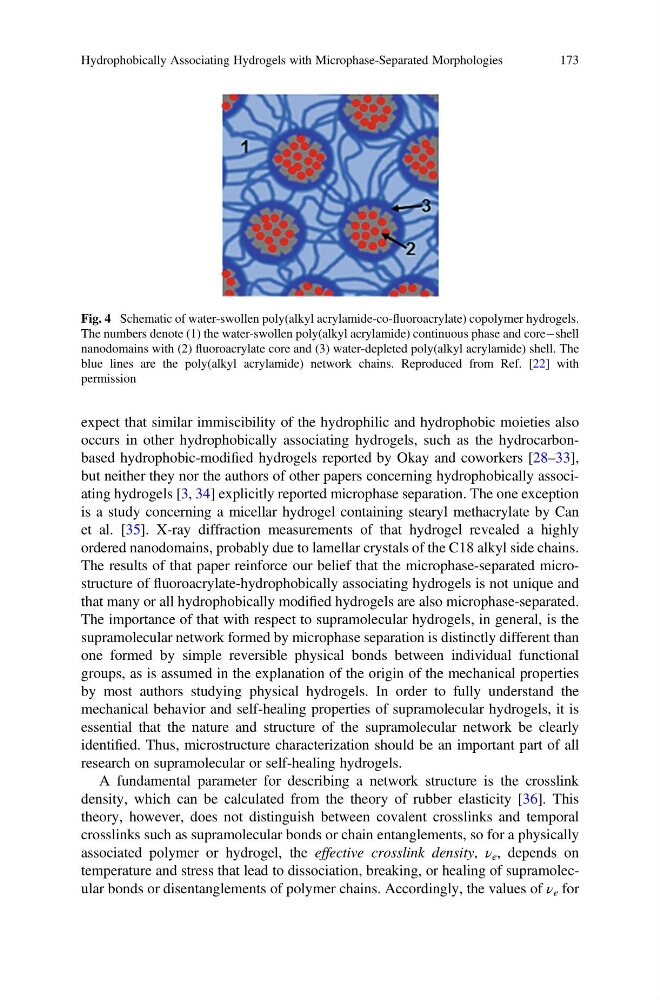
Fig. 4 Schematic of water-swollen poly(alkyl acrylamide-co-fluoroacrylate) copolymer hydrogels.
The numbers denote (1) the water-swollen poly(alkyl acrylamide) continuous phase and coreÀshell
nanodomains with (2) fluoroacrylate core and (3) water-depleted poly(alkyl acrylamide) shell. The
blue lines are the poly(alkyl acrylamide) network chains. Reproduced from Ref. [22] with
permission
Hydrophobically Associating Hydrogels with Microphase-Separated Morphologies
173
occurs in other hydrophobically associating hydrogels, such as the hydrocarbonbased hydrophobic-modified hydrogels reported by Okay and coworkers [28–33],
but neither they nor the authors of other papers concerning hydrophobically associating hydrogels [3, 34] explicitly reported microphase separation. The one exception
is a study concerning a micellar hydrogel containing stearyl methacrylate by Can
et al. [35]. X-ray diffraction measurements of that hydrogel revealed a highly
ordered nanodomains, probably due to lamellar crystals of the C18 alkyl side chains.
The results of that paper reinforce our belief that the microphase-separated microstructure of fluoroacrylate-hydrophobically associating hydrogels is not unique and
that many or all hydrophobically modified hydrogels are also microphase-separated.
The importance of that with respect to supramolecular hydrogels, in general, is the
supramolecular network formed by microphase separation is distinctly different than
one formed by simple reversible physical bonds between individual functional
groups, as is assumed in the explanation of the origin of the mechanical properties
by most authors studying physical hydrogels. In order to fully understand the
mechanical behavior and self-healing properties of supramolecular hydrogels, it is
essential that the nature and structure of the supramolecular network be clearly
identified. Thus, microstructure characterization should be an important part of all
research on supramolecular or self-healing hydrogels.
A fundamental parameter for describing a network structure is the crosslink
density, which can be calculated from the theory of rubber elasticity [36]. This
theory, however, does not distinguish between covalent crosslinks and temporal
crosslinks such as supramolecular bonds or chain entanglements, so for a physically
associated polymer or hydrogel, the effective crosslink density, ν e , depends on
temperature and stress that lead to dissociation, breaking, or healing of supramolecular bonds or disentanglements of polymer chains. Accordingly, the values of ν e for
Fig. 4 Schematic of water-swollen poly(alkyl acrylamide-co-fluoroacrylate) copolymer hydrogels.
The numbers denote (1) the water-swollen poly(alkyl acrylamide) continuous phase and coreÀshell
nanodomains with (2) fluoroacrylate core and (3) water-depleted poly(alkyl acrylamide) shell. The
blue lines are the poly(alkyl acrylamide) network chains. Reproduced from Ref. [22] with
permission
Hydrophobically Associating Hydrogels with Microphase-Separated Morphologies
173