

8 Industry 4.0 in Welding
283
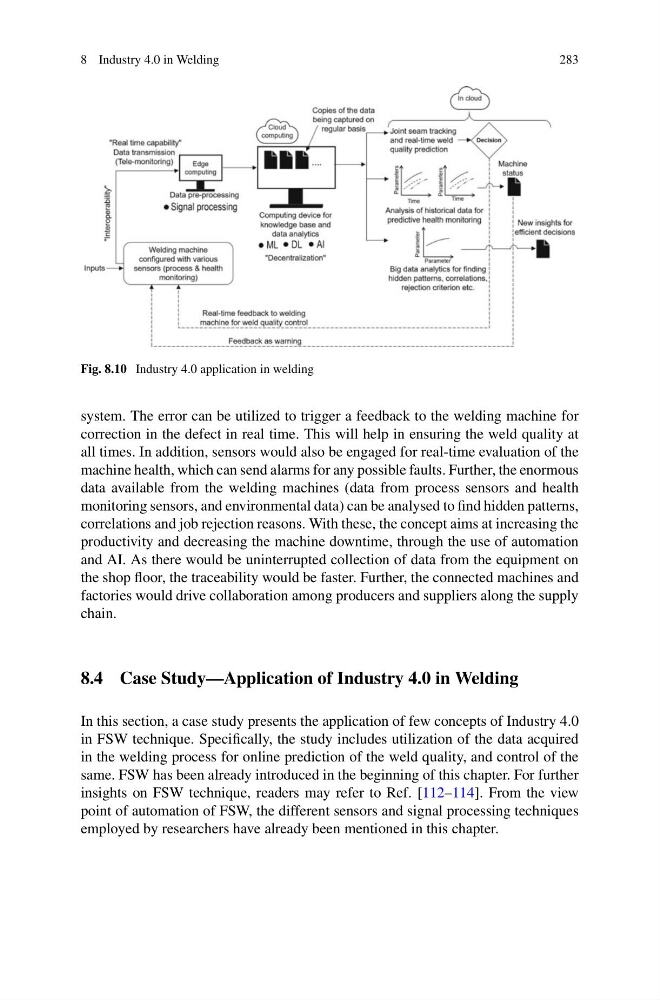
Fig. 8.10 Industry 4.0 application in welding
system. The error can be utilized to trigger a feedback to the welding machine for
correction in the defect in real time. This will help in ensuring the weld quality at
all times. In addition, sensors would also be engaged for real-time evaluation of the
machine health, which can send alarms for any possible faults. Further, the enormous
data available from the welding machines (data from process sensors and health
monitoring sensors, and environmental data) can be analysed to find hidden patterns,
correlations and job rejection reasons. With these, the concept aims at increasing the
productivity and decreasing the machine downtime, through the use of automation
and AI. As there would be uninterrupted collection of data from the equipment on
the shop floor, the traceability would be faster. Further, the connected machines and
factories would drive collaboration among producers and suppliers along the supply
chain.
8.4 Case Study—Application of Industry 4.0 in Welding
In this section, a case study presents the application of few concepts of Industry 4.0
in FSW technique. Specifically, the study includes utilization of the data acquired
in the welding process for online prediction of the weld quality, and control of the
same. FSW has been already introduced in the beginning of this chapter. For further
insights on FSW technique, readers may refer to Ref. [112–114]. From the view
point of automation of FSW, the different sensors and signal processing techniques
employed by researchers have already been mentioned in this chapter.
283
Fig. 8.10 Industry 4.0 application in welding
system. The error can be utilized to trigger a feedback to the welding machine for
correction in the defect in real time. This will help in ensuring the weld quality at
all times. In addition, sensors would also be engaged for real-time evaluation of the
machine health, which can send alarms for any possible faults. Further, the enormous
data available from the welding machines (data from process sensors and health
monitoring sensors, and environmental data) can be analysed to find hidden patterns,
correlations and job rejection reasons. With these, the concept aims at increasing the
productivity and decreasing the machine downtime, through the use of automation
and AI. As there would be uninterrupted collection of data from the equipment on
the shop floor, the traceability would be faster. Further, the connected machines and
factories would drive collaboration among producers and suppliers along the supply
chain.
8.4 Case Study—Application of Industry 4.0 in Welding
In this section, a case study presents the application of few concepts of Industry 4.0
in FSW technique. Specifically, the study includes utilization of the data acquired
in the welding process for online prediction of the weld quality, and control of the
same. FSW has been already introduced in the beginning of this chapter. For further
insights on FSW technique, readers may refer to Ref. [112–114]. From the view
point of automation of FSW, the different sensors and signal processing techniques
employed by researchers have already been mentioned in this chapter.