

14
S. K. Das et al.
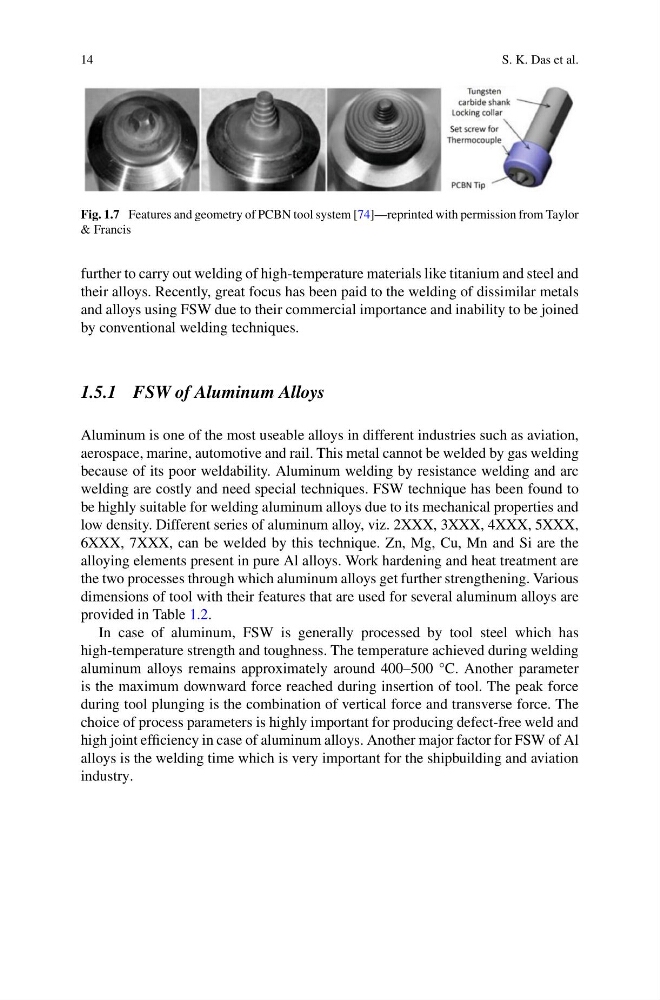
Fig. 1.7 Features and geometry of PCBN tool system [74]—reprinted with permission from Taylor
& Francis
further to carry out welding of high-temperature materials like titanium and steel and
their alloys. Recently, great focus has been paid to the welding of dissimilar metals
and alloys using FSW due to their commercial importance and inability to be joined
by conventional welding techniques.
1.5.1 FSW of Aluminum Alloys
Aluminum is one of the most useable alloys in different industries such as aviation,
aerospace, marine, automotive and rail. This metal cannot be welded by gas welding
because of its poor weldability. Aluminum welding by resistance welding and arc
welding are costly and need special techniques. FSW technique has been found to
be highly suitable for welding aluminum alloys due to its mechanical properties and
low density. Different series of aluminum alloy, viz. 2XXX, 3XXX, 4XXX, 5XXX,
6XXX, 7XXX, can be welded by this technique. Zn, Mg, Cu, Mn and Si are the
alloying elements present in pure Al alloys. Work hardening and heat treatment are
the two processes through which aluminum alloys get further strengthening. Various
dimensions of tool with their features that are used for several aluminum alloys are
provided in Table 1.2.
In case of aluminum, FSW is generally processed by tool steel which has
high-temperature strength and toughness. The temperature achieved during welding
aluminum alloys remains approximately around 400–500 °C. Another parameter
is the maximum downward force reached during insertion of tool. The peak force
during tool plunging is the combination of vertical force and transverse force. The
choice of process parameters is highly important for producing defect-free weld and
high joint efficiency in case of aluminum alloys. Another major factor for FSW of Al
alloys is the welding time which is very important for the shipbuilding and aviation
industry.
S. K. Das et al.
Fig. 1.7 Features and geometry of PCBN tool system [74]—reprinted with permission from Taylor
& Francis
further to carry out welding of high-temperature materials like titanium and steel and
their alloys. Recently, great focus has been paid to the welding of dissimilar metals
and alloys using FSW due to their commercial importance and inability to be joined
by conventional welding techniques.
1.5.1 FSW of Aluminum Alloys
Aluminum is one of the most useable alloys in different industries such as aviation,
aerospace, marine, automotive and rail. This metal cannot be welded by gas welding
because of its poor weldability. Aluminum welding by resistance welding and arc
welding are costly and need special techniques. FSW technique has been found to
be highly suitable for welding aluminum alloys due to its mechanical properties and
low density. Different series of aluminum alloy, viz. 2XXX, 3XXX, 4XXX, 5XXX,
6XXX, 7XXX, can be welded by this technique. Zn, Mg, Cu, Mn and Si are the
alloying elements present in pure Al alloys. Work hardening and heat treatment are
the two processes through which aluminum alloys get further strengthening. Various
dimensions of tool with their features that are used for several aluminum alloys are
provided in Table 1.2.
In case of aluminum, FSW is generally processed by tool steel which has
high-temperature strength and toughness. The temperature achieved during welding
aluminum alloys remains approximately around 400–500 °C. Another parameter
is the maximum downward force reached during insertion of tool. The peak force
during tool plunging is the combination of vertical force and transverse force. The
choice of process parameters is highly important for producing defect-free weld and
high joint efficiency in case of aluminum alloys. Another major factor for FSW of Al
alloys is the welding time which is very important for the shipbuilding and aviation
industry.