

7.7 Unique Properties of Silver Cations …
207
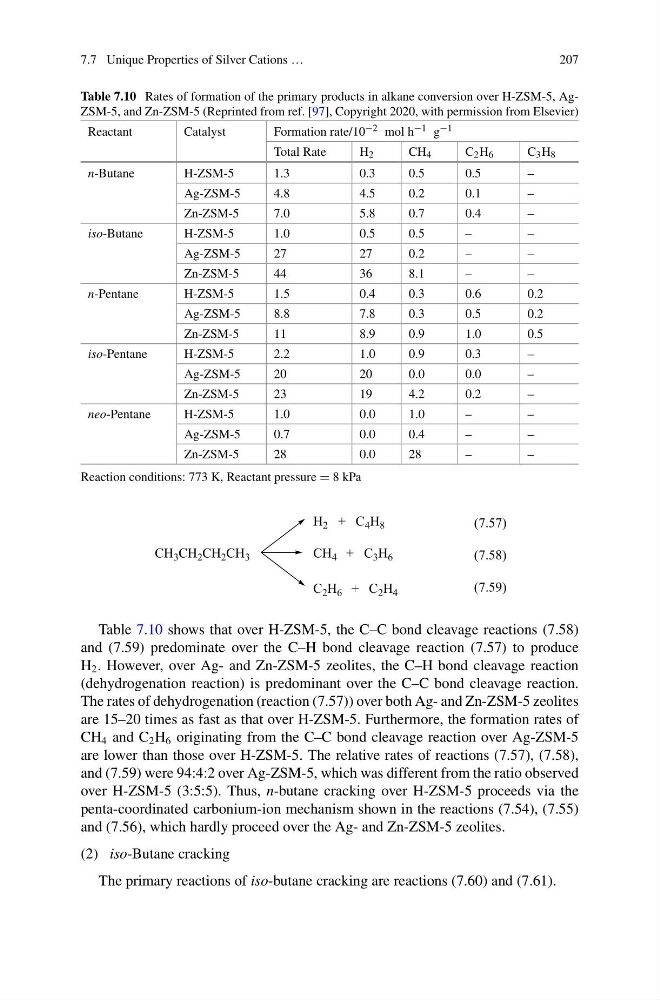
Table 7.10 Rates of formation of the primary products in alkane conversion over H-ZSM-5, AgZSM-5, and Zn-ZSM-5 (Reprinted from ref. [97], Copyright 2020, with permission from Elsevier)
Reactant
Catalyst
Formation rate/10 −2 mol h −1 g −1
Total Rate
H 2
CH 4
C 2 H 6
C 3 H 8
n-Butane
H-ZSM-5
1.3
0.3
0.5
0.5
–
Ag-ZSM-5
4.8
4.5
0.2
0.1
–
Zn-ZSM-5
7.0
5.8
0.7
0.4
–
iso-Butane
H-ZSM-5
1.0
0.5
0.5
–
–
Ag-ZSM-5
27
27
0.2
–
–
Zn-ZSM-5
44
36
8.1
–
–
n-Pentane
H-ZSM-5
1.5
0.4
0.3
0.6
0.2
Ag-ZSM-5
8.8
7.8
0.3
0.5
0.2
Zn-ZSM-5
11
8.9
0.9
1.0
0.5
iso-Pentane
H-ZSM-5
2.2
1.0
0.9
0.3
–
Ag-ZSM-5
20
20
0.0
0.0
–
Zn-ZSM-5
23
19
4.2
0.2
–
neo-Pentane
H-ZSM-5
1.0
0.0
1.0
–
–
Ag-ZSM-5
0.7
0.0
0.4
–
–
Zn-ZSM-5
28
0.0
28
–
–
Reaction conditions: 773 K, Reactant pressure = 8 kPa
(7.57)
(7.58)
(7.59)
CH 3 CH 2 CH 2 CH 3
H 2 + C 4 H 8
CH 4 + C 3 H 6
C 2 H 6 + C 2 H 4
Table 7.10 shows that over H-ZSM-5, the C–C bond cleavage reactions (7.58)
and (7.59) predominate over the C–H bond cleavage reaction (7.57) to produce
H 2 . However, over Ag- and Zn-ZSM-5 zeolites, the C–H bond cleavage reaction
(dehydrogenation reaction) is predominant over the C–C bond cleavage reaction.
The rates of dehydrogenation (reaction (7.57)) over both Ag- and Zn-ZSM-5 zeolites
are 15–20 times as fast as that over H-ZSM-5. Furthermore, the formation rates of
CH 4 and C 2 H 6 originating from the C–C bond cleavage reaction over Ag-ZSM-5
are lower than those over H-ZSM-5. The relative rates of reactions (7.57), (7.58),
and (7.59) were 94:4:2 over Ag-ZSM-5, which was different from the ratio observed
over H-ZSM-5 (3:5:5). Thus, n-butane cracking over H-ZSM-5 proceeds via the
penta-coordinated carbonium-ion mechanism shown in the reactions (7.54), (7.55)
and (7.56), which hardly proceed over the Ag- and Zn-ZSM-5 zeolites.
(2) iso-Butane cracking
The primary reactions of iso-butane cracking are reactions (7.60) and (7.61).
207
Table 7.10 Rates of formation of the primary products in alkane conversion over H-ZSM-5, AgZSM-5, and Zn-ZSM-5 (Reprinted from ref. [97], Copyright 2020, with permission from Elsevier)
Reactant
Catalyst
Formation rate/10 −2 mol h −1 g −1
Total Rate
H 2
CH 4
C 2 H 6
C 3 H 8
n-Butane
H-ZSM-5
1.3
0.3
0.5
0.5
–
Ag-ZSM-5
4.8
4.5
0.2
0.1
–
Zn-ZSM-5
7.0
5.8
0.7
0.4
–
iso-Butane
H-ZSM-5
1.0
0.5
0.5
–
–
Ag-ZSM-5
27
27
0.2
–
–
Zn-ZSM-5
44
36
8.1
–
–
n-Pentane
H-ZSM-5
1.5
0.4
0.3
0.6
0.2
Ag-ZSM-5
8.8
7.8
0.3
0.5
0.2
Zn-ZSM-5
11
8.9
0.9
1.0
0.5
iso-Pentane
H-ZSM-5
2.2
1.0
0.9
0.3
–
Ag-ZSM-5
20
20
0.0
0.0
–
Zn-ZSM-5
23
19
4.2
0.2
–
neo-Pentane
H-ZSM-5
1.0
0.0
1.0
–
–
Ag-ZSM-5
0.7
0.0
0.4
–
–
Zn-ZSM-5
28
0.0
28
–
–
Reaction conditions: 773 K, Reactant pressure = 8 kPa
(7.57)
(7.58)
(7.59)
CH 3 CH 2 CH 2 CH 3
H 2 + C 4 H 8
CH 4 + C 3 H 6
C 2 H 6 + C 2 H 4
Table 7.10 shows that over H-ZSM-5, the C–C bond cleavage reactions (7.58)
and (7.59) predominate over the C–H bond cleavage reaction (7.57) to produce
H 2 . However, over Ag- and Zn-ZSM-5 zeolites, the C–H bond cleavage reaction
(dehydrogenation reaction) is predominant over the C–C bond cleavage reaction.
The rates of dehydrogenation (reaction (7.57)) over both Ag- and Zn-ZSM-5 zeolites
are 15–20 times as fast as that over H-ZSM-5. Furthermore, the formation rates of
CH 4 and C 2 H 6 originating from the C–C bond cleavage reaction over Ag-ZSM-5
are lower than those over H-ZSM-5. The relative rates of reactions (7.57), (7.58),
and (7.59) were 94:4:2 over Ag-ZSM-5, which was different from the ratio observed
over H-ZSM-5 (3:5:5). Thus, n-butane cracking over H-ZSM-5 proceeds via the
penta-coordinated carbonium-ion mechanism shown in the reactions (7.54), (7.55)
and (7.56), which hardly proceed over the Ag- and Zn-ZSM-5 zeolites.
(2) iso-Butane cracking
The primary reactions of iso-butane cracking are reactions (7.60) and (7.61).