

2 Industrial Plant Oil Extraction
61
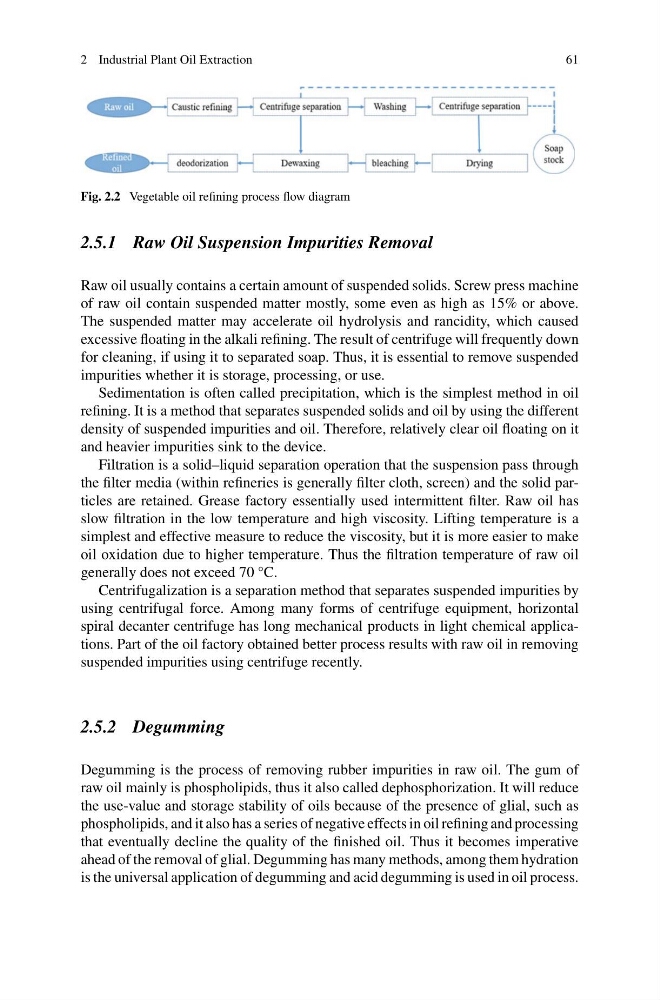
Fig. 2.2 Vegetable oil refining process flow diagram
2.5.1 Raw Oil Suspension Impurities Removal
Raw oil usually contains a certain amount of suspended solids. Screw press machine
of raw oil contain suspended matter mostly, some even as high as 15% or above.
The suspended matter may accelerate oil hydrolysis and rancidity, which caused
excessive floating in the alkali refining. The result of centrifuge will frequently down
for cleaning, if using it to separated soap. Thus, it is essential to remove suspended
impurities whether it is storage, processing, or use.
Sedimentation is often called precipitation, which is the simplest method in oil
refining. It is a method that separates suspended solids and oil by using the different
density of suspended impurities and oil. Therefore, relatively clear oil floating on it
and heavier impurities sink to the device.
Filtration is a solid–liquid separation operation that the suspension pass through
the filter media (within refineries is generally filter cloth, screen) and the solid particles are retained. Grease factory essentially used intermittent filter. Raw oil has
slow filtration in the low temperature and high viscosity. Lifting temperature is a
simplest and effective measure to reduce the viscosity, but it is more easier to make
oil oxidation due to higher temperature. Thus the filtration temperature of raw oil
generally does not exceed 70 °C.
Centrifugalization is a separation method that separates suspended impurities by
using centrifugal force. Among many forms of centrifuge equipment, horizontal
spiral decanter centrifuge has long mechanical products in light chemical applications. Part of the oil factory obtained better process results with raw oil in removing
suspended impurities using centrifuge recently.
2.5.2 Degumming
Degumming is the process of removing rubber impurities in raw oil. The gum of
raw oil mainly is phospholipids, thus it also called dephosphorization. It will reduce
the use-value and storage stability of oils because of the presence of glial, such as
phospholipids, and it also has a series of negative effects in oil refining and processing
that eventually decline the quality of the finished oil. Thus it becomes imperative
ahead of the removal of glial. Degumming has many methods, among them hydration
is the universal application of degumming and acid degumming is used in oil process.
61
Fig. 2.2 Vegetable oil refining process flow diagram
2.5.1 Raw Oil Suspension Impurities Removal
Raw oil usually contains a certain amount of suspended solids. Screw press machine
of raw oil contain suspended matter mostly, some even as high as 15% or above.
The suspended matter may accelerate oil hydrolysis and rancidity, which caused
excessive floating in the alkali refining. The result of centrifuge will frequently down
for cleaning, if using it to separated soap. Thus, it is essential to remove suspended
impurities whether it is storage, processing, or use.
Sedimentation is often called precipitation, which is the simplest method in oil
refining. It is a method that separates suspended solids and oil by using the different
density of suspended impurities and oil. Therefore, relatively clear oil floating on it
and heavier impurities sink to the device.
Filtration is a solid–liquid separation operation that the suspension pass through
the filter media (within refineries is generally filter cloth, screen) and the solid particles are retained. Grease factory essentially used intermittent filter. Raw oil has
slow filtration in the low temperature and high viscosity. Lifting temperature is a
simplest and effective measure to reduce the viscosity, but it is more easier to make
oil oxidation due to higher temperature. Thus the filtration temperature of raw oil
generally does not exceed 70 °C.
Centrifugalization is a separation method that separates suspended impurities by
using centrifugal force. Among many forms of centrifuge equipment, horizontal
spiral decanter centrifuge has long mechanical products in light chemical applications. Part of the oil factory obtained better process results with raw oil in removing
suspended impurities using centrifuge recently.
2.5.2 Degumming
Degumming is the process of removing rubber impurities in raw oil. The gum of
raw oil mainly is phospholipids, thus it also called dephosphorization. It will reduce
the use-value and storage stability of oils because of the presence of glial, such as
phospholipids, and it also has a series of negative effects in oil refining and processing
that eventually decline the quality of the finished oil. Thus it becomes imperative
ahead of the removal of glial. Degumming has many methods, among them hydration
is the universal application of degumming and acid degumming is used in oil process.