

8 Oleochemistry Products
255
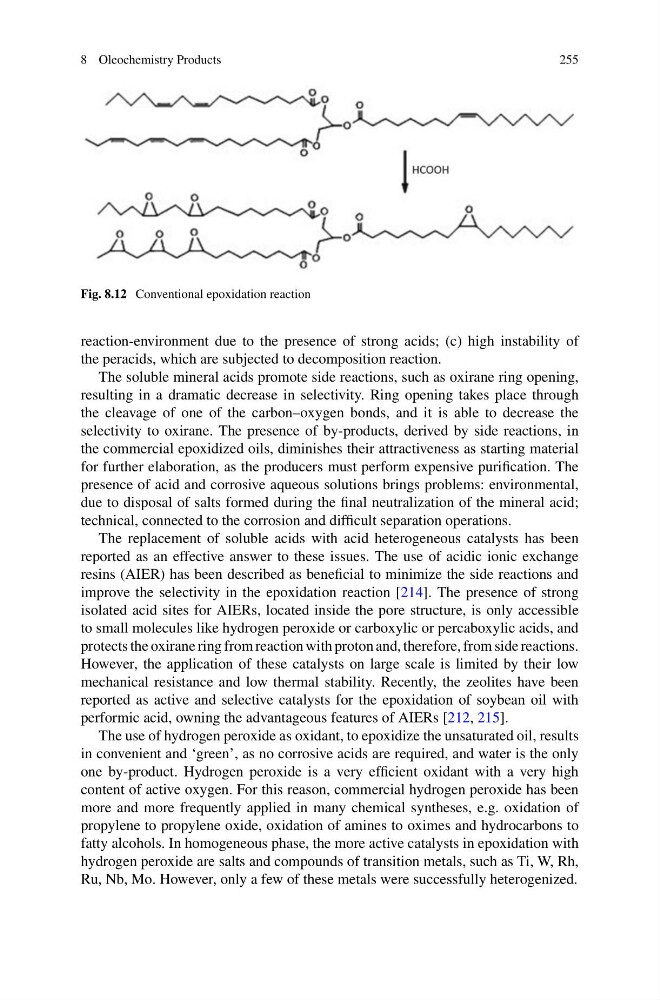
Fig. 8.12 Conventional epoxidation reaction
reaction-environment due to the presence of strong acids; (c) high instability of
the peracids, which are subjected to decomposition reaction.
The soluble mineral acids promote side reactions, such as oxirane ring opening,
resulting in a dramatic decrease in selectivity. Ring opening takes place through
the cleavage of one of the carbon–oxygen bonds, and it is able to decrease the
selectivity to oxirane. The presence of by-products, derived by side reactions, in
the commercial epoxidized oils, diminishes their attractiveness as starting material
for further elaboration, as the producers must perform expensive purification. The
presence of acid and corrosive aqueous solutions brings problems: environmental,
due to disposal of salts formed during the final neutralization of the mineral acid;
technical, connected to the corrosion and difficult separation operations.
The replacement of soluble acids with acid heterogeneous catalysts has been
reported as an effective answer to these issues. The use of acidic ionic exchange
resins (AIER) has been described as beneficial to minimize the side reactions and
improve the selectivity in the epoxidation reaction [214]. The presence of strong
isolated acid sites for AIERs, located inside the pore structure, is only accessible
to small molecules like hydrogen peroxide or carboxylic or percaboxylic acids, and
protects the oxirane ring from reaction with proton and, therefore, from side reactions.
However, the application of these catalysts on large scale is limited by their low
mechanical resistance and low thermal stability. Recently, the zeolites have been
reported as active and selective catalysts for the epoxidation of soybean oil with
performic acid, owning the advantageous features of AIERs [212, 215].
The use of hydrogen peroxide as oxidant, to epoxidize the unsaturated oil, results
in convenient and ‘green’, as no corrosive acids are required, and water is the only
one by-product. Hydrogen peroxide is a very efficient oxidant with a very high
content of active oxygen. For this reason, commercial hydrogen peroxide has been
more and more frequently applied in many chemical syntheses, e.g. oxidation of
propylene to propylene oxide, oxidation of amines to oximes and hydrocarbons to
fatty alcohols. In homogeneous phase, the more active catalysts in epoxidation with
hydrogen peroxide are salts and compounds of transition metals, such as Ti, W, Rh,
Ru, Nb, Mo. However, only a few of these metals were successfully heterogenized.
255
Fig. 8.12 Conventional epoxidation reaction
reaction-environment due to the presence of strong acids; (c) high instability of
the peracids, which are subjected to decomposition reaction.
The soluble mineral acids promote side reactions, such as oxirane ring opening,
resulting in a dramatic decrease in selectivity. Ring opening takes place through
the cleavage of one of the carbon–oxygen bonds, and it is able to decrease the
selectivity to oxirane. The presence of by-products, derived by side reactions, in
the commercial epoxidized oils, diminishes their attractiveness as starting material
for further elaboration, as the producers must perform expensive purification. The
presence of acid and corrosive aqueous solutions brings problems: environmental,
due to disposal of salts formed during the final neutralization of the mineral acid;
technical, connected to the corrosion and difficult separation operations.
The replacement of soluble acids with acid heterogeneous catalysts has been
reported as an effective answer to these issues. The use of acidic ionic exchange
resins (AIER) has been described as beneficial to minimize the side reactions and
improve the selectivity in the epoxidation reaction [214]. The presence of strong
isolated acid sites for AIERs, located inside the pore structure, is only accessible
to small molecules like hydrogen peroxide or carboxylic or percaboxylic acids, and
protects the oxirane ring from reaction with proton and, therefore, from side reactions.
However, the application of these catalysts on large scale is limited by their low
mechanical resistance and low thermal stability. Recently, the zeolites have been
reported as active and selective catalysts for the epoxidation of soybean oil with
performic acid, owning the advantageous features of AIERs [212, 215].
The use of hydrogen peroxide as oxidant, to epoxidize the unsaturated oil, results
in convenient and ‘green’, as no corrosive acids are required, and water is the only
one by-product. Hydrogen peroxide is a very efficient oxidant with a very high
content of active oxygen. For this reason, commercial hydrogen peroxide has been
more and more frequently applied in many chemical syntheses, e.g. oxidation of
propylene to propylene oxide, oxidation of amines to oximes and hydrocarbons to
fatty alcohols. In homogeneous phase, the more active catalysts in epoxidation with
hydrogen peroxide are salts and compounds of transition metals, such as Ti, W, Rh,
Ru, Nb, Mo. However, only a few of these metals were successfully heterogenized.