

7 Technologies for Conversion Bio-Lubricant …
187
CH 3 (CH 2 ) 5 CHOHCH 2 CH=CH(CH 2 ) 7 COOH
ricinoleic acid
castor oil
CH 2 O C
O
CH 2 CH 2 CH 2 CH 2 CH 2 CH 2 CH 2 CH CH CH 2 CH CH 2 CH 2 CH 2 CH 2 CH 2 CH 3
CH O C
O
CH 2 CH 2 CH 2 CH 2 CH 2 CH 2 CH 2 CH CH CH 2 CH CH 2 CH 2 CH 2 CH 2 CH 2 CH 3
CH 2 O C
O
CH 2 CH 2 CH 2 CH 2 CH 2 CH 2 CH 2 CH CH CH 2 CH CH 2 CH 2 CH 2 CH 2 CH 2 CH 3
OH
OH
OH
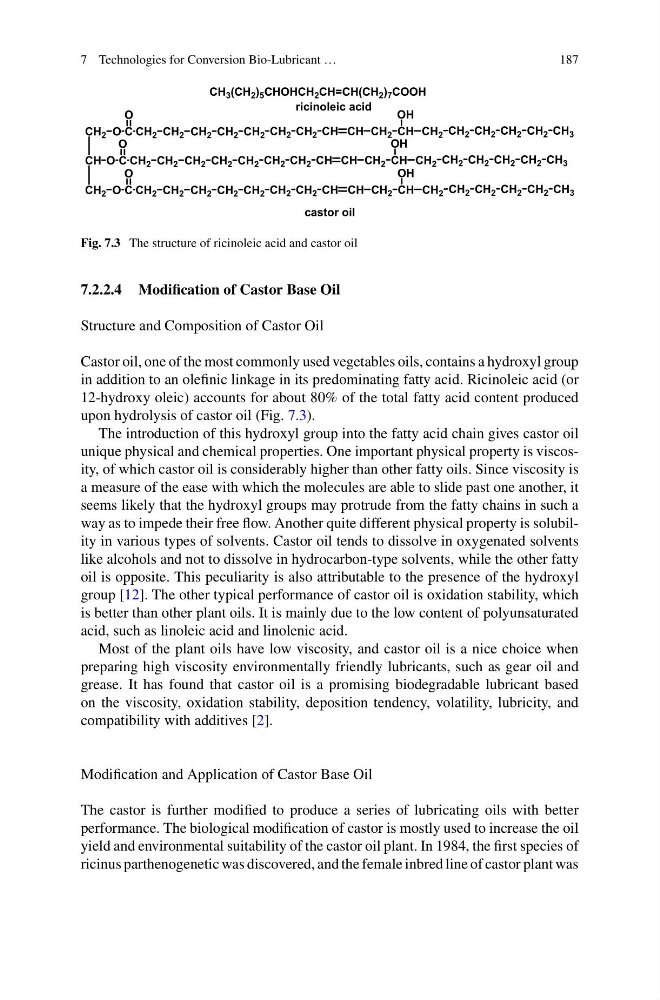
Fig. 7.3 The structure of ricinoleic acid and castor oil
7.2.2.4 Modification of Castor Base Oil
Structure and Composition of Castor Oil
Castor oil, one of the most commonly used vegetables oils, contains a hydroxyl group
in addition to an olefinic linkage in its predominating fatty acid. Ricinoleic acid (or
12-hydroxy oleic) accounts for about 80% of the total fatty acid content produced
upon hydrolysis of castor oil (Fig. 7.3).
The introduction of this hydroxyl group into the fatty acid chain gives castor oil
unique physical and chemical properties. One important physical property is viscosity, of which castor oil is considerably higher than other fatty oils. Since viscosity is
a measure of the ease with which the molecules are able to slide past one another, it
seems likely that the hydroxyl groups may protrude from the fatty chains in such a
way as to impede their free flow. Another quite different physical property is solubility in various types of solvents. Castor oil tends to dissolve in oxygenated solvents
like alcohols and not to dissolve in hydrocarbon-type solvents, while the other fatty
oil is opposite. This peculiarity is also attributable to the presence of the hydroxyl
group [12]. The other typical performance of castor oil is oxidation stability, which
is better than other plant oils. It is mainly due to the low content of polyunsaturated
acid, such as linoleic acid and linolenic acid.
Most of the plant oils have low viscosity, and castor oil is a nice choice when
preparing high viscosity environmentally friendly lubricants, such as gear oil and
grease. It has found that castor oil is a promising biodegradable lubricant based
on the viscosity, oxidation stability, deposition tendency, volatility, lubricity, and
compatibility with additives [2].
Modification and Application of Castor Base Oil
The castor is further modified to produce a series of lubricating oils with better
performance. The biological modification of castor is mostly used to increase the oil
yield and environmental suitability of the castor oil plant. In 1984, the first species of
ricinus parthenogenetic was discovered, and the female inbred line of castor plant was
187
CH 3 (CH 2 ) 5 CHOHCH 2 CH=CH(CH 2 ) 7 COOH
ricinoleic acid
castor oil
CH 2 O C
O
CH 2 CH 2 CH 2 CH 2 CH 2 CH 2 CH 2 CH CH CH 2 CH CH 2 CH 2 CH 2 CH 2 CH 2 CH 3
CH O C
O
CH 2 CH 2 CH 2 CH 2 CH 2 CH 2 CH 2 CH CH CH 2 CH CH 2 CH 2 CH 2 CH 2 CH 2 CH 3
CH 2 O C
O
CH 2 CH 2 CH 2 CH 2 CH 2 CH 2 CH 2 CH CH CH 2 CH CH 2 CH 2 CH 2 CH 2 CH 2 CH 3
OH
OH
OH
Fig. 7.3 The structure of ricinoleic acid and castor oil
7.2.2.4 Modification of Castor Base Oil
Structure and Composition of Castor Oil
Castor oil, one of the most commonly used vegetables oils, contains a hydroxyl group
in addition to an olefinic linkage in its predominating fatty acid. Ricinoleic acid (or
12-hydroxy oleic) accounts for about 80% of the total fatty acid content produced
upon hydrolysis of castor oil (Fig. 7.3).
The introduction of this hydroxyl group into the fatty acid chain gives castor oil
unique physical and chemical properties. One important physical property is viscosity, of which castor oil is considerably higher than other fatty oils. Since viscosity is
a measure of the ease with which the molecules are able to slide past one another, it
seems likely that the hydroxyl groups may protrude from the fatty chains in such a
way as to impede their free flow. Another quite different physical property is solubility in various types of solvents. Castor oil tends to dissolve in oxygenated solvents
like alcohols and not to dissolve in hydrocarbon-type solvents, while the other fatty
oil is opposite. This peculiarity is also attributable to the presence of the hydroxyl
group [12]. The other typical performance of castor oil is oxidation stability, which
is better than other plant oils. It is mainly due to the low content of polyunsaturated
acid, such as linoleic acid and linolenic acid.
Most of the plant oils have low viscosity, and castor oil is a nice choice when
preparing high viscosity environmentally friendly lubricants, such as gear oil and
grease. It has found that castor oil is a promising biodegradable lubricant based
on the viscosity, oxidation stability, deposition tendency, volatility, lubricity, and
compatibility with additives [2].
Modification and Application of Castor Base Oil
The castor is further modified to produce a series of lubricating oils with better
performance. The biological modification of castor is mostly used to increase the oil
yield and environmental suitability of the castor oil plant. In 1984, the first species of
ricinus parthenogenetic was discovered, and the female inbred line of castor plant was