

150
C. Li et al.
0
5
10
15
20
25
temperature
catalyst
concentration
methanol
concentration
time
agitation
strength
Range
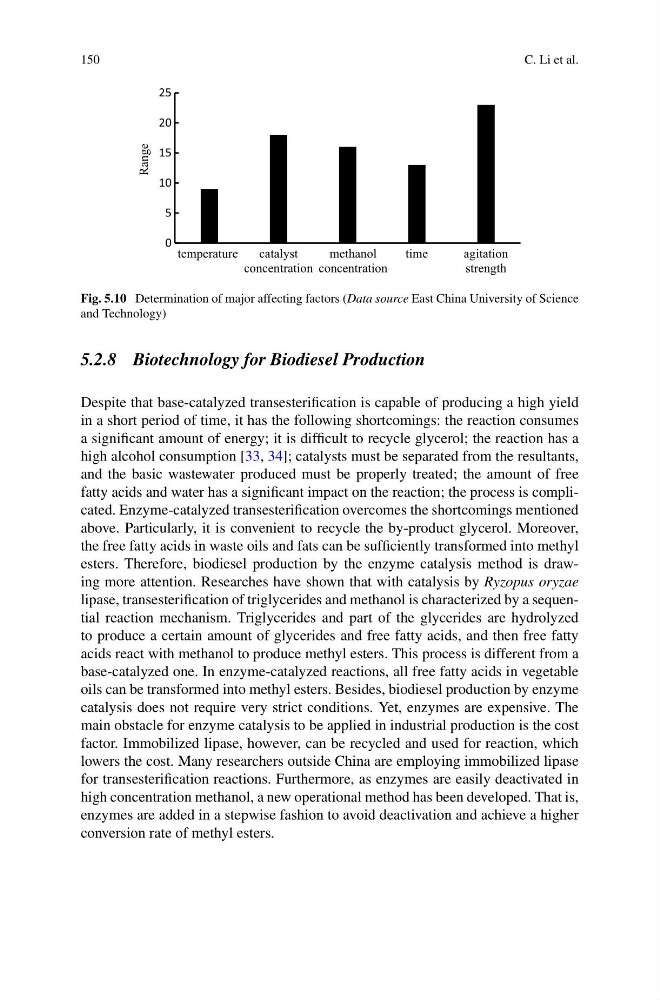
Fig. 5.10 Determination of major affecting factors (Data source East China University of Science
and Technology)
5.2.8 Biotechnology for Biodiesel Production
Despite that base-catalyzed transesterification is capable of producing a high yield
in a short period of time, it has the following shortcomings: the reaction consumes
a significant amount of energy; it is difficult to recycle glycerol; the reaction has a
high alcohol consumption [33, 34]; catalysts must be separated from the resultants,
and the basic wastewater produced must be properly treated; the amount of free
fatty acids and water has a significant impact on the reaction; the process is complicated. Enzyme-catalyzed transesterification overcomes the shortcomings mentioned
above. Particularly, it is convenient to recycle the by-product glycerol. Moreover,
the free fatty acids in waste oils and fats can be sufficiently transformed into methyl
esters. Therefore, biodiesel production by the enzyme catalysis method is drawing more attention. Researches have shown that with catalysis by Ryzopus oryzae
lipase, transesterification of triglycerides and methanol is characterized by a sequential reaction mechanism. Triglycerides and part of the glycerides are hydrolyzed
to produce a certain amount of glycerides and free fatty acids, and then free fatty
acids react with methanol to produce methyl esters. This process is different from a
base-catalyzed one. In enzyme-catalyzed reactions, all free fatty acids in vegetable
oils can be transformed into methyl esters. Besides, biodiesel production by enzyme
catalysis does not require very strict conditions. Yet, enzymes are expensive. The
main obstacle for enzyme catalysis to be applied in industrial production is the cost
factor. Immobilized lipase, however, can be recycled and used for reaction, which
lowers the cost. Many researchers outside China are employing immobilized lipase
for transesterification reactions. Furthermore, as enzymes are easily deactivated in
high concentration methanol, a new operational method has been developed. That is,
enzymes are added in a stepwise fashion to avoid deactivation and achieve a higher
conversion rate of methyl esters.
C. Li et al.
0
5
10
15
20
25
temperature
catalyst
concentration
methanol
concentration
time
agitation
strength
Range
Fig. 5.10 Determination of major affecting factors (Data source East China University of Science
and Technology)
5.2.8 Biotechnology for Biodiesel Production
Despite that base-catalyzed transesterification is capable of producing a high yield
in a short period of time, it has the following shortcomings: the reaction consumes
a significant amount of energy; it is difficult to recycle glycerol; the reaction has a
high alcohol consumption [33, 34]; catalysts must be separated from the resultants,
and the basic wastewater produced must be properly treated; the amount of free
fatty acids and water has a significant impact on the reaction; the process is complicated. Enzyme-catalyzed transesterification overcomes the shortcomings mentioned
above. Particularly, it is convenient to recycle the by-product glycerol. Moreover,
the free fatty acids in waste oils and fats can be sufficiently transformed into methyl
esters. Therefore, biodiesel production by the enzyme catalysis method is drawing more attention. Researches have shown that with catalysis by Ryzopus oryzae
lipase, transesterification of triglycerides and methanol is characterized by a sequential reaction mechanism. Triglycerides and part of the glycerides are hydrolyzed
to produce a certain amount of glycerides and free fatty acids, and then free fatty
acids react with methanol to produce methyl esters. This process is different from a
base-catalyzed one. In enzyme-catalyzed reactions, all free fatty acids in vegetable
oils can be transformed into methyl esters. Besides, biodiesel production by enzyme
catalysis does not require very strict conditions. Yet, enzymes are expensive. The
main obstacle for enzyme catalysis to be applied in industrial production is the cost
factor. Immobilized lipase, however, can be recycled and used for reaction, which
lowers the cost. Many researchers outside China are employing immobilized lipase
for transesterification reactions. Furthermore, as enzymes are easily deactivated in
high concentration methanol, a new operational method has been developed. That is,
enzymes are added in a stepwise fashion to avoid deactivation and achieve a higher
conversion rate of methyl esters.