

264
3 Hardware Trojans in Electronic Devices
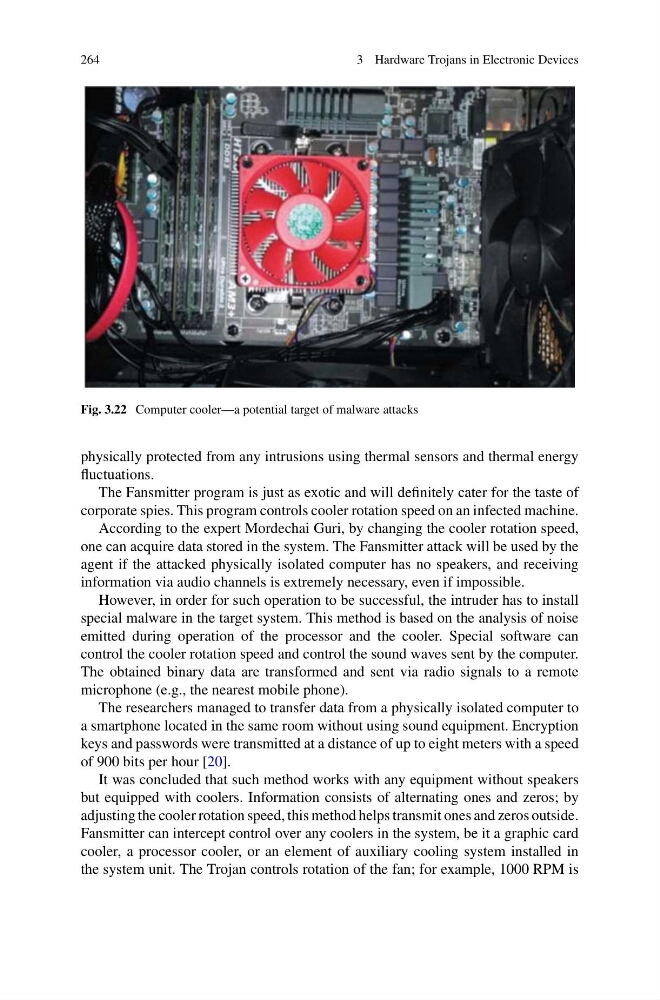
Fig. 3.22 Computer cooler—a potential target of malware attacks
physically protected from any intrusions using thermal sensors and thermal energy
fluctuations.
The Fansmitter program is just as exotic and will definitely cater for the taste of
corporate spies. This program controls cooler rotation speed on an infected machine.
According to the expert Mordechai Guri, by changing the cooler rotation speed,
one can acquire data stored in the system. The Fansmitter attack will be used by the
agent if the attacked physically isolated computer has no speakers, and receiving
information via audio channels is extremely necessary, even if impossible.
However, in order for such operation to be successful, the intruder has to install
special malware in the target system. This method is based on the analysis of noise
emitted during operation of the processor and the cooler. Special software can
control the cooler rotation speed and control the sound waves sent by the computer.
The obtained binary data are transformed and sent via radio signals to a remote
microphone (e.g., the nearest mobile phone).
The researchers managed to transfer data from a physically isolated computer to
a smartphone located in the same room without using sound equipment. Encryption
keys and passwords were transmitted at a distance of up to eight meters with a speed
of 900 bits per hour [20].
It was concluded that such method works with any equipment without speakers
but equipped with coolers. Information consists of alternating ones and zeros; by
adjusting the cooler rotation speed, this method helps transmit ones and zeros outside.
Fansmitter can intercept control over any coolers in the system, be it a graphic card
cooler, a processor cooler, or an element of auxiliary cooling system installed in
the system unit. The Trojan controls rotation of the fan; for example, 1000 RPM is
3 Hardware Trojans in Electronic Devices
Fig. 3.22 Computer cooler—a potential target of malware attacks
physically protected from any intrusions using thermal sensors and thermal energy
fluctuations.
The Fansmitter program is just as exotic and will definitely cater for the taste of
corporate spies. This program controls cooler rotation speed on an infected machine.
According to the expert Mordechai Guri, by changing the cooler rotation speed,
one can acquire data stored in the system. The Fansmitter attack will be used by the
agent if the attacked physically isolated computer has no speakers, and receiving
information via audio channels is extremely necessary, even if impossible.
However, in order for such operation to be successful, the intruder has to install
special malware in the target system. This method is based on the analysis of noise
emitted during operation of the processor and the cooler. Special software can
control the cooler rotation speed and control the sound waves sent by the computer.
The obtained binary data are transformed and sent via radio signals to a remote
microphone (e.g., the nearest mobile phone).
The researchers managed to transfer data from a physically isolated computer to
a smartphone located in the same room without using sound equipment. Encryption
keys and passwords were transmitted at a distance of up to eight meters with a speed
of 900 bits per hour [20].
It was concluded that such method works with any equipment without speakers
but equipped with coolers. Information consists of alternating ones and zeros; by
adjusting the cooler rotation speed, this method helps transmit ones and zeros outside.
Fansmitter can intercept control over any coolers in the system, be it a graphic card
cooler, a processor cooler, or an element of auxiliary cooling system installed in
the system unit. The Trojan controls rotation of the fan; for example, 1000 RPM is