

2.1 Computer Viruses
117
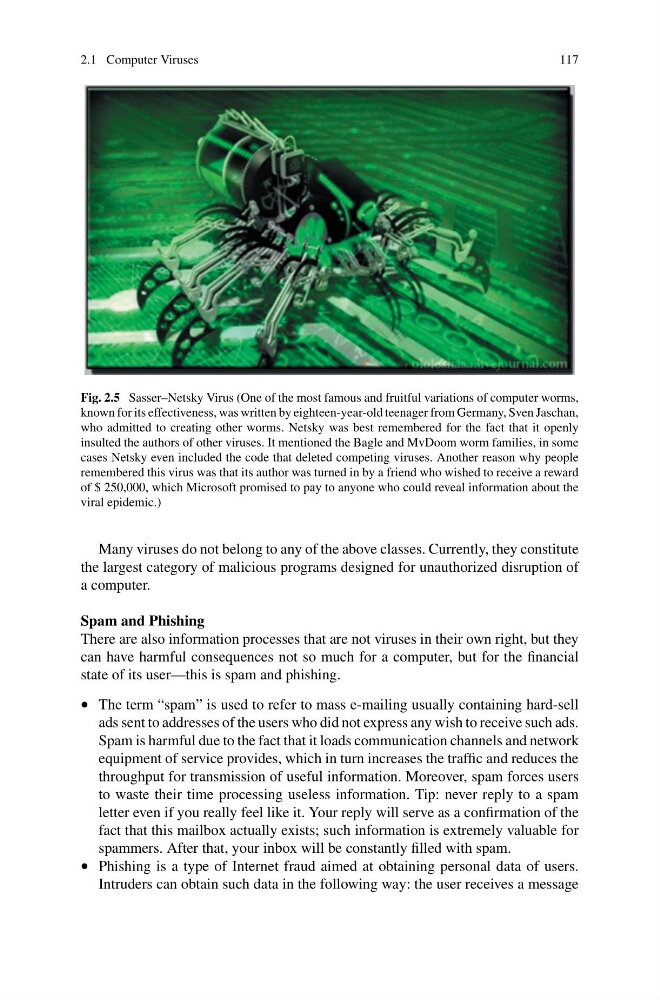
Fig. 2.5 Sasser–Netsky Virus (One of the most famous and fruitful variations of computer worms,
known for its effectiveness, was written by eighteen-year-old teenager from Germany, Sven Jaschan,
who admitted to creating other worms. Netsky was best remembered for the fact that it openly
insulted the authors of other viruses. It mentioned the Bagle and MvDoom worm families, in some
cases Netsky even included the code that deleted competing viruses. Another reason why people
remembered this virus was that its author was turned in by a friend who wished to receive a reward
of $ 250,000, which Microsoft promised to pay to anyone who could reveal information about the
viral epidemic.)
Many viruses do not belong to any of the above classes. Currently, they constitute
the largest category of malicious programs designed for unauthorized disruption of
a computer.
Spam and Phishing
There are also information processes that are not viruses in their own right, but they
can have harmful consequences not so much for a computer, but for the financial
state of its user—this is spam and phishing.
• The term “spam” is used to refer to mass e-mailing usually containing hard-sell
ads sent to addresses of the users who did not express any wish to receive such ads.
Spam is harmful due to the fact that it loads communication channels and network
equipment of service provides, which in turn increases the traffic and reduces the
throughput for transmission of useful information. Moreover, spam forces users
to waste their time processing useless information. Tip: never reply to a spam
letter even if you really feel like it. Your reply will serve as a confirmation of the
fact that this mailbox actually exists; such information is extremely valuable for
spammers. After that, your inbox will be constantly filled with spam.
• Phishing is a type of Internet fraud aimed at obtaining personal data of users.
Intruders can obtain such data in the following way: the user receives a message
117
Fig. 2.5 Sasser–Netsky Virus (One of the most famous and fruitful variations of computer worms,
known for its effectiveness, was written by eighteen-year-old teenager from Germany, Sven Jaschan,
who admitted to creating other worms. Netsky was best remembered for the fact that it openly
insulted the authors of other viruses. It mentioned the Bagle and MvDoom worm families, in some
cases Netsky even included the code that deleted competing viruses. Another reason why people
remembered this virus was that its author was turned in by a friend who wished to receive a reward
of $ 250,000, which Microsoft promised to pay to anyone who could reveal information about the
viral epidemic.)
Many viruses do not belong to any of the above classes. Currently, they constitute
the largest category of malicious programs designed for unauthorized disruption of
a computer.
Spam and Phishing
There are also information processes that are not viruses in their own right, but they
can have harmful consequences not so much for a computer, but for the financial
state of its user—this is spam and phishing.
• The term “spam” is used to refer to mass e-mailing usually containing hard-sell
ads sent to addresses of the users who did not express any wish to receive such ads.
Spam is harmful due to the fact that it loads communication channels and network
equipment of service provides, which in turn increases the traffic and reduces the
throughput for transmission of useful information. Moreover, spam forces users
to waste their time processing useless information. Tip: never reply to a spam
letter even if you really feel like it. Your reply will serve as a confirmation of the
fact that this mailbox actually exists; such information is extremely valuable for
spammers. After that, your inbox will be constantly filled with spam.
• Phishing is a type of Internet fraud aimed at obtaining personal data of users.
Intruders can obtain such data in the following way: the user receives a message