

8
A. Ghosh
the scale). In D water is heated and with the valve A open steam enters vessel E. The
valve B gets automatically closed and water from E goes through valve C (that opens
upward) to container G. In the next half of the pumping cycle, valve A is closed and
ice-cold water is sprinkled on E causing condensation of the accumulated steam in
E that results in a partial vacuum in E. Since valve C automatically closes valve B
opens and water from tank F is sucked up by the vessel E due to the atmospheric
pressure pressing the water in F. The next cycle starts with the opening of valve
A, and water is continuously lifted up from tank F to container G. Except for the
valves, there are no mechanical parts and no direct mechanical motion is generated.
However, the water in the container G at a higher level could be used to run a water
wheel if needed. Savery took a patent of his invention claiming overall right on a
device for “raising water using fire.” Although this was the first time heat energy
was directly used, the device cannot be a true example of ‘Mechanical Engineering’.
Direct generation of mechanical motion was possible a few years later when Thomas
Newcomen presented to the world the classic combination of a boiler, a cylinder, and
a piston describing oscillatory motion.
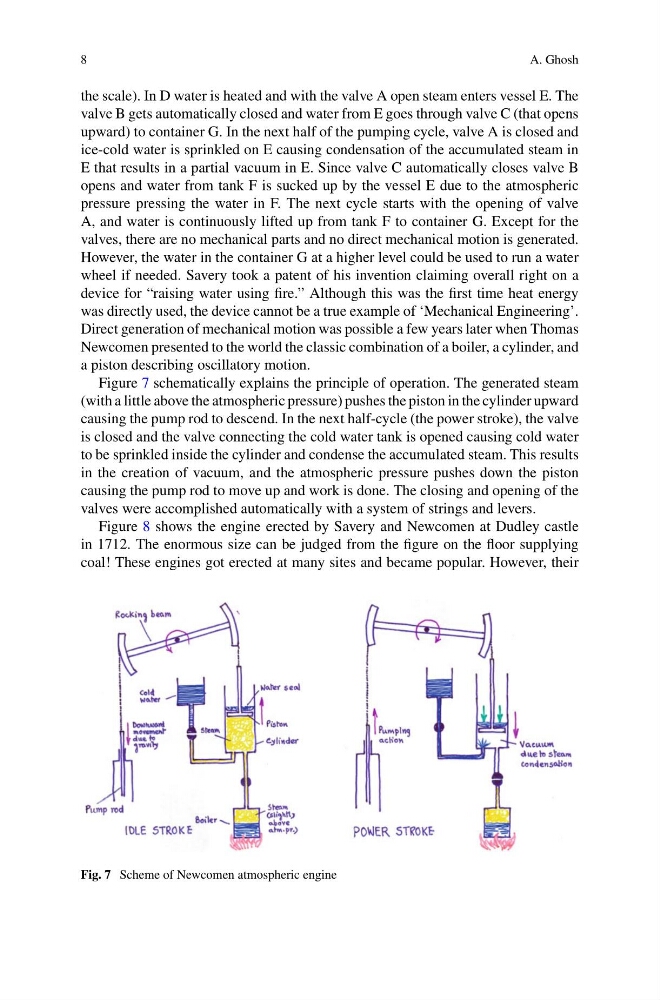
Figure 7 schematically explains the principle of operation. The generated steam
(with a little above the atmospheric pressure) pushes the piston in the cylinder upward
causing the pump rod to descend. In the next half-cycle (the power stroke), the valve
is closed and the valve connecting the cold water tank is opened causing cold water
to be sprinkled inside the cylinder and condense the accumulated steam. This results
in the creation of vacuum, and the atmospheric pressure pushes down the piston
causing the pump rod to move up and work is done. The closing and opening of the
valves were accomplished automatically with a system of strings and levers.
Figure 8 shows the engine erected by Savery and Newcomen at Dudley castle
in 1712. The enormous size can be judged from the figure on the floor supplying
coal! These engines got erected at many sites and became popular. However, their
Fig. 7 Scheme of Newcomen atmospheric engine
A. Ghosh
the scale). In D water is heated and with the valve A open steam enters vessel E. The
valve B gets automatically closed and water from E goes through valve C (that opens
upward) to container G. In the next half of the pumping cycle, valve A is closed and
ice-cold water is sprinkled on E causing condensation of the accumulated steam in
E that results in a partial vacuum in E. Since valve C automatically closes valve B
opens and water from tank F is sucked up by the vessel E due to the atmospheric
pressure pressing the water in F. The next cycle starts with the opening of valve
A, and water is continuously lifted up from tank F to container G. Except for the
valves, there are no mechanical parts and no direct mechanical motion is generated.
However, the water in the container G at a higher level could be used to run a water
wheel if needed. Savery took a patent of his invention claiming overall right on a
device for “raising water using fire.” Although this was the first time heat energy
was directly used, the device cannot be a true example of ‘Mechanical Engineering’.
Direct generation of mechanical motion was possible a few years later when Thomas
Newcomen presented to the world the classic combination of a boiler, a cylinder, and
a piston describing oscillatory motion.
Figure 7 schematically explains the principle of operation. The generated steam
(with a little above the atmospheric pressure) pushes the piston in the cylinder upward
causing the pump rod to descend. In the next half-cycle (the power stroke), the valve
is closed and the valve connecting the cold water tank is opened causing cold water
to be sprinkled inside the cylinder and condense the accumulated steam. This results
in the creation of vacuum, and the atmospheric pressure pushes down the piston
causing the pump rod to move up and work is done. The closing and opening of the
valves were accomplished automatically with a system of strings and levers.
Figure 8 shows the engine erected by Savery and Newcomen at Dudley castle
in 1712. The enormous size can be judged from the figure on the floor supplying
coal! These engines got erected at many sites and became popular. However, their
Fig. 7 Scheme of Newcomen atmospheric engine