

Fluid Dynamics in Deformable Microchannels
151
•Screening
•Low-cost kits
•Smartphone Apps
•In-vitro models
•Hierarchial structures
•CD based
•Paper based
•Wearable sensors
•SoŌ lithograpy
•3D prinƟng
•Bio prinƟng
MicrofabricaƟon
Lab On Chip
Rapid DiagnosƟcs
Biomimicry
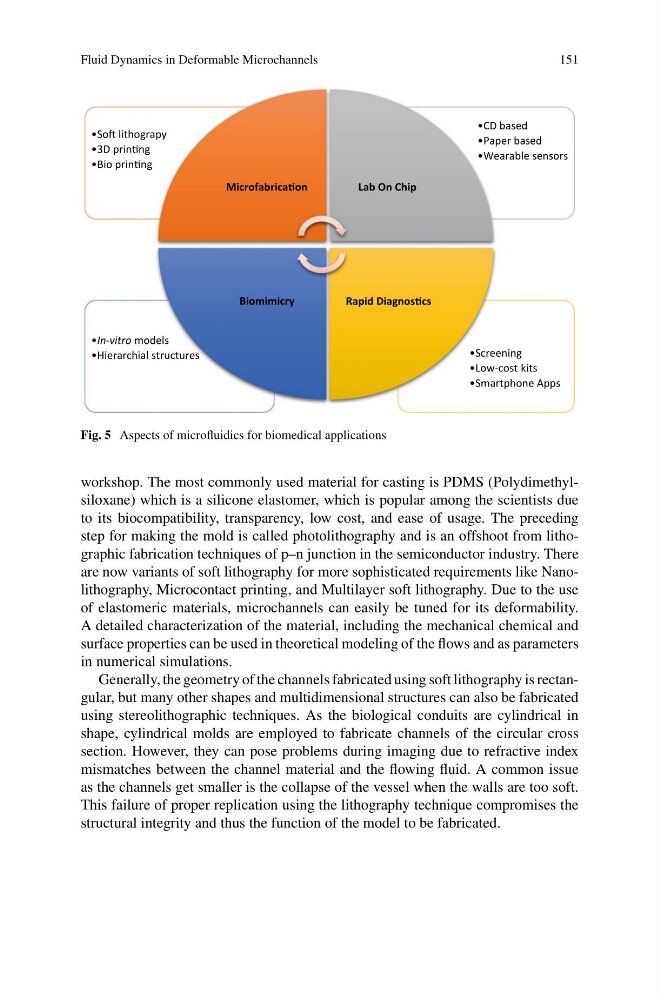
Fig. 5 Aspects of microfluidics for biomedical applications
workshop. The most commonly used material for casting is PDMS (Polydimethylsiloxane) which is a silicone elastomer, which is popular among the scientists due
to its biocompatibility, transparency, low cost, and ease of usage. The preceding
step for making the mold is called photolithography and is an offshoot from lithographic fabrication techniques of p–n junction in the semiconductor industry. There
are now variants of soft lithography for more sophisticated requirements like Nanolithography, Microcontact printing, and Multilayer soft lithography. Due to the use
of elastomeric materials, microchannels can easily be tuned for its deformability.
A detailed characterization of the material, including the mechanical chemical and
surface properties can be used in theoretical modeling of the flows and as parameters
in numerical simulations.
Generally, the geometry of the channels fabricated using soft lithography is rectangular, but many other shapes and multidimensional structures can also be fabricated
using stereolithographic techniques. As the biological conduits are cylindrical in
shape, cylindrical molds are employed to fabricate channels of the circular cross
section. However, they can pose problems during imaging due to refractive index
mismatches between the channel material and the flowing fluid. A common issue
as the channels get smaller is the collapse of the vessel when the walls are too soft.
This failure of proper replication using the lithography technique compromises the
structural integrity and thus the function of the model to be fabricated.
151
•Screening
•Low-cost kits
•Smartphone Apps
•In-vitro models
•Hierarchial structures
•CD based
•Paper based
•Wearable sensors
•SoŌ lithograpy
•3D prinƟng
•Bio prinƟng
MicrofabricaƟon
Lab On Chip
Rapid DiagnosƟcs
Biomimicry
Fig. 5 Aspects of microfluidics for biomedical applications
workshop. The most commonly used material for casting is PDMS (Polydimethylsiloxane) which is a silicone elastomer, which is popular among the scientists due
to its biocompatibility, transparency, low cost, and ease of usage. The preceding
step for making the mold is called photolithography and is an offshoot from lithographic fabrication techniques of p–n junction in the semiconductor industry. There
are now variants of soft lithography for more sophisticated requirements like Nanolithography, Microcontact printing, and Multilayer soft lithography. Due to the use
of elastomeric materials, microchannels can easily be tuned for its deformability.
A detailed characterization of the material, including the mechanical chemical and
surface properties can be used in theoretical modeling of the flows and as parameters
in numerical simulations.
Generally, the geometry of the channels fabricated using soft lithography is rectangular, but many other shapes and multidimensional structures can also be fabricated
using stereolithographic techniques. As the biological conduits are cylindrical in
shape, cylindrical molds are employed to fabricate channels of the circular cross
section. However, they can pose problems during imaging due to refractive index
mismatches between the channel material and the flowing fluid. A common issue
as the channels get smaller is the collapse of the vessel when the walls are too soft.
This failure of proper replication using the lithography technique compromises the
structural integrity and thus the function of the model to be fabricated.