

588
R. B. Pachori and V. Gupta
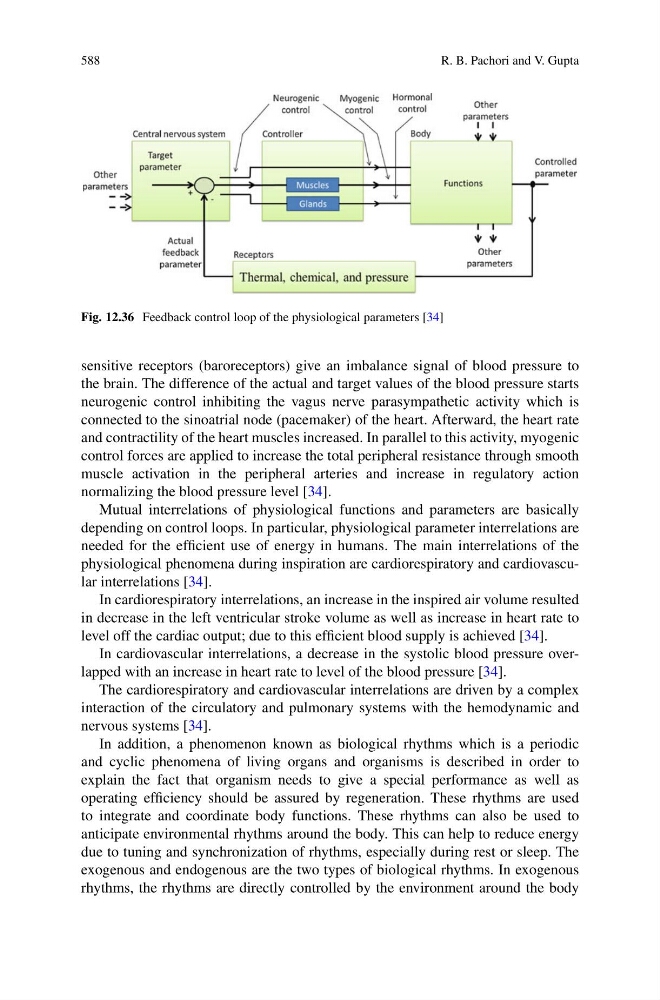
Fig. 12.36 Feedback control loop of the physiological parameters [34]
sensitive receptors (baroreceptors) give an imbalance signal of blood pressure to
the brain. The difference of the actual and target values of the blood pressure starts
neurogenic control inhibiting the vagus nerve parasympathetic activity which is
connected to the sinoatrial node (pacemaker) of the heart. Afterward, the heart rate
and contractility of the heart muscles increased. In parallel to this activity, myogenic
control forces are applied to increase the total peripheral resistance through smooth
muscle activation in the peripheral arteries and increase in regulatory action
normalizing the blood pressure level [34].
Mutual interrelations of physiological functions and parameters are basically
depending on control loops. In particular, physiological parameter interrelations are
needed for the efficient use of energy in humans. The main interrelations of the
physiological phenomena during inspiration are cardiorespiratory and cardiovascular interrelations [34].
In cardiorespiratory interrelations, an increase in the inspired air volume resulted
in decrease in the left ventricular stroke volume as well as increase in heart rate to
level off the cardiac output; due to this efficient blood supply is achieved [34].
In cardiovascular interrelations, a decrease in the systolic blood pressure overlapped with an increase in heart rate to level of the blood pressure [34].
The cardiorespiratory and cardiovascular interrelations are driven by a complex
interaction of the circulatory and pulmonary systems with the hemodynamic and
nervous systems [34].
In addition, a phenomenon known as biological rhythms which is a periodic
and cyclic phenomena of living organs and organisms is described in order to
explain the fact that organism needs to give a special performance as well as
operating efficiency should be assured by regeneration. These rhythms are used
to integrate and coordinate body functions. These rhythms can also be used to
anticipate environmental rhythms around the body. This can help to reduce energy
due to tuning and synchronization of rhythms, especially during rest or sleep. The
exogenous and endogenous are the two types of biological rhythms. In exogenous
rhythms, the rhythms are directly controlled by the environment around the body
R. B. Pachori and V. Gupta
Fig. 12.36 Feedback control loop of the physiological parameters [34]
sensitive receptors (baroreceptors) give an imbalance signal of blood pressure to
the brain. The difference of the actual and target values of the blood pressure starts
neurogenic control inhibiting the vagus nerve parasympathetic activity which is
connected to the sinoatrial node (pacemaker) of the heart. Afterward, the heart rate
and contractility of the heart muscles increased. In parallel to this activity, myogenic
control forces are applied to increase the total peripheral resistance through smooth
muscle activation in the peripheral arteries and increase in regulatory action
normalizing the blood pressure level [34].
Mutual interrelations of physiological functions and parameters are basically
depending on control loops. In particular, physiological parameter interrelations are
needed for the efficient use of energy in humans. The main interrelations of the
physiological phenomena during inspiration are cardiorespiratory and cardiovascular interrelations [34].
In cardiorespiratory interrelations, an increase in the inspired air volume resulted
in decrease in the left ventricular stroke volume as well as increase in heart rate to
level off the cardiac output; due to this efficient blood supply is achieved [34].
In cardiovascular interrelations, a decrease in the systolic blood pressure overlapped with an increase in heart rate to level of the blood pressure [34].
The cardiorespiratory and cardiovascular interrelations are driven by a complex
interaction of the circulatory and pulmonary systems with the hemodynamic and
nervous systems [34].
In addition, a phenomenon known as biological rhythms which is a periodic
and cyclic phenomena of living organs and organisms is described in order to
explain the fact that organism needs to give a special performance as well as
operating efficiency should be assured by regeneration. These rhythms are used
to integrate and coordinate body functions. These rhythms can also be used to
anticipate environmental rhythms around the body. This can help to reduce energy
due to tuning and synchronization of rhythms, especially during rest or sleep. The
exogenous and endogenous are the two types of biological rhythms. In exogenous
rhythms, the rhythms are directly controlled by the environment around the body