

556
R. B. Pachori and V. Gupta
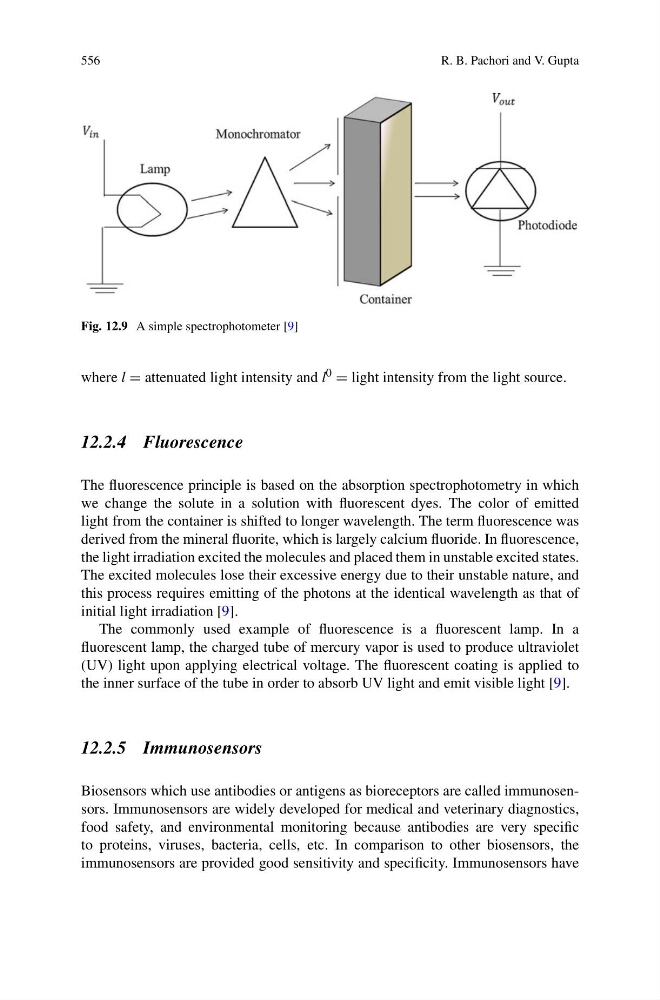
Fig. 12.9 A simple spectrophotometer [9]
where l = attenuated light intensity and l 0 = light intensity from the light source.
12.2.4 Fluorescence
The fluorescence principle is based on the absorption spectrophotometry in which
we change the solute in a solution with fluorescent dyes. The color of emitted
light from the container is shifted to longer wavelength. The term fluorescence was
derived from the mineral fluorite, which is largely calcium fluoride. In fluorescence,
the light irradiation excited the molecules and placed them in unstable excited states.
The excited molecules lose their excessive energy due to their unstable nature, and
this process requires emitting of the photons at the identical wavelength as that of
initial light irradiation [9].
The commonly used example of fluorescence is a fluorescent lamp. In a
fluorescent lamp, the charged tube of mercury vapor is used to produce ultraviolet
(UV) light upon applying electrical voltage. The fluorescent coating is applied to
the inner surface of the tube in order to absorb UV light and emit visible light [9].
12.2.5 Immunosensors
Biosensors which use antibodies or antigens as bioreceptors are called immunosensors. Immunosensors are widely developed for medical and veterinary diagnostics,
food safety, and environmental monitoring because antibodies are very specific
to proteins, viruses, bacteria, cells, etc. In comparison to other biosensors, the
immunosensors are provided good sensitivity and specificity. Immunosensors have
R. B. Pachori and V. Gupta
Fig. 12.9 A simple spectrophotometer [9]
where l = attenuated light intensity and l 0 = light intensity from the light source.
12.2.4 Fluorescence
The fluorescence principle is based on the absorption spectrophotometry in which
we change the solute in a solution with fluorescent dyes. The color of emitted
light from the container is shifted to longer wavelength. The term fluorescence was
derived from the mineral fluorite, which is largely calcium fluoride. In fluorescence,
the light irradiation excited the molecules and placed them in unstable excited states.
The excited molecules lose their excessive energy due to their unstable nature, and
this process requires emitting of the photons at the identical wavelength as that of
initial light irradiation [9].
The commonly used example of fluorescence is a fluorescent lamp. In a
fluorescent lamp, the charged tube of mercury vapor is used to produce ultraviolet
(UV) light upon applying electrical voltage. The fluorescent coating is applied to
the inner surface of the tube in order to absorb UV light and emit visible light [9].
12.2.5 Immunosensors
Biosensors which use antibodies or antigens as bioreceptors are called immunosensors. Immunosensors are widely developed for medical and veterinary diagnostics,
food safety, and environmental monitoring because antibodies are very specific
to proteins, viruses, bacteria, cells, etc. In comparison to other biosensors, the
immunosensors are provided good sensitivity and specificity. Immunosensors have