

230
F. Firouzi and B. Farahani
1
2
3
4
5
1
3
5
2
4
Load balancer
Server 1
Server 2
Client request
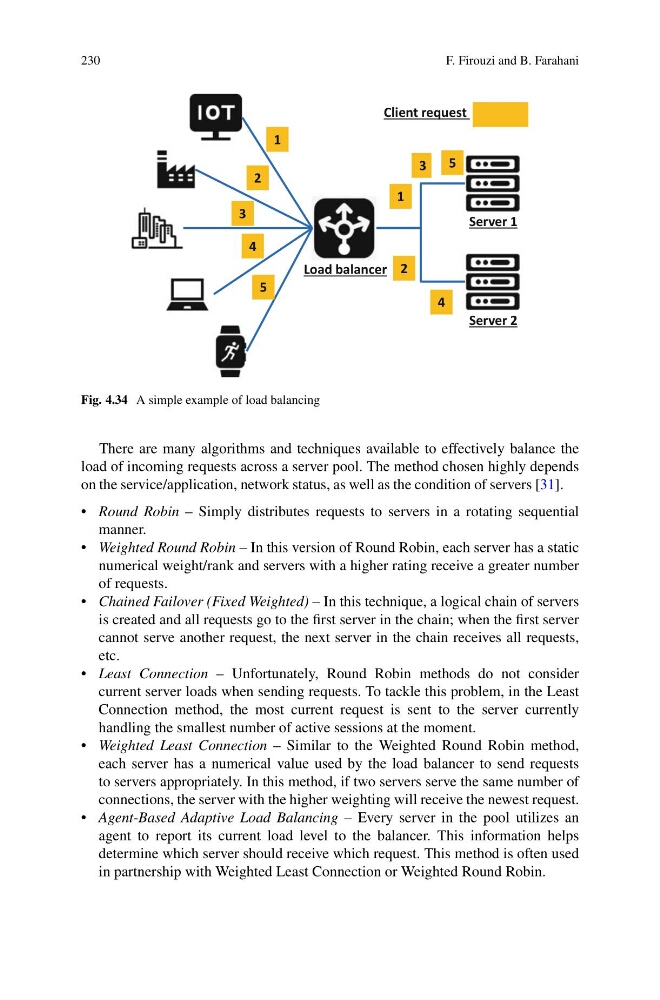
Fig. 4.34 A simple example of load balancing
There are many algorithms and techniques available to effectively balance the
load of incoming requests across a server pool. The method chosen highly depends
on the service/application, network status, as well as the condition of servers [31].
• Round Robin – Simply distributes requests to servers in a rotating sequential
manner.
• Weighted Round Robin – In this version of Round Robin, each server has a static
numerical weight/rank and servers with a higher rating receive a greater number
of requests.
• Chained Failover (Fixed Weighted) – In this technique, a logical chain of servers
is created and all requests go to the first server in the chain; when the first server
cannot serve another request, the next server in the chain receives all requests,
etc.
• Least Connection – Unfortunately, Round Robin methods do not consider
current server loads when sending requests. To tackle this problem, in the Least
Connection method, the most current request is sent to the server currently
handling the smallest number of active sessions at the moment.
• Weighted Least Connection – Similar to the Weighted Round Robin method,
each server has a numerical value used by the load balancer to send requests
to servers appropriately. In this method, if two servers serve the same number of
connections, the server with the higher weighting will receive the newest request.
• Agent-Based Adaptive Load Balancing – Every server in the pool utilizes an
agent to report its current load level to the balancer. This information helps
determine which server should receive which request. This method is often used
in partnership with Weighted Least Connection or Weighted Round Robin.
F. Firouzi and B. Farahani
1
2
3
4
5
1
3
5
2
4
Load balancer
Server 1
Server 2
Client request
Fig. 4.34 A simple example of load balancing
There are many algorithms and techniques available to effectively balance the
load of incoming requests across a server pool. The method chosen highly depends
on the service/application, network status, as well as the condition of servers [31].
• Round Robin – Simply distributes requests to servers in a rotating sequential
manner.
• Weighted Round Robin – In this version of Round Robin, each server has a static
numerical weight/rank and servers with a higher rating receive a greater number
of requests.
• Chained Failover (Fixed Weighted) – In this technique, a logical chain of servers
is created and all requests go to the first server in the chain; when the first server
cannot serve another request, the next server in the chain receives all requests,
etc.
• Least Connection – Unfortunately, Round Robin methods do not consider
current server loads when sending requests. To tackle this problem, in the Least
Connection method, the most current request is sent to the server currently
handling the smallest number of active sessions at the moment.
• Weighted Least Connection – Similar to the Weighted Round Robin method,
each server has a numerical value used by the load balancer to send requests
to servers appropriately. In this method, if two servers serve the same number of
connections, the server with the higher weighting will receive the newest request.
• Agent-Based Adaptive Load Balancing – Every server in the pool utilizes an
agent to report its current load level to the balancer. This information helps
determine which server should receive which request. This method is often used
in partnership with Weighted Least Connection or Weighted Round Robin.