

4 Laser-Induced Synthesis and Processing of Nanoparticles …
139
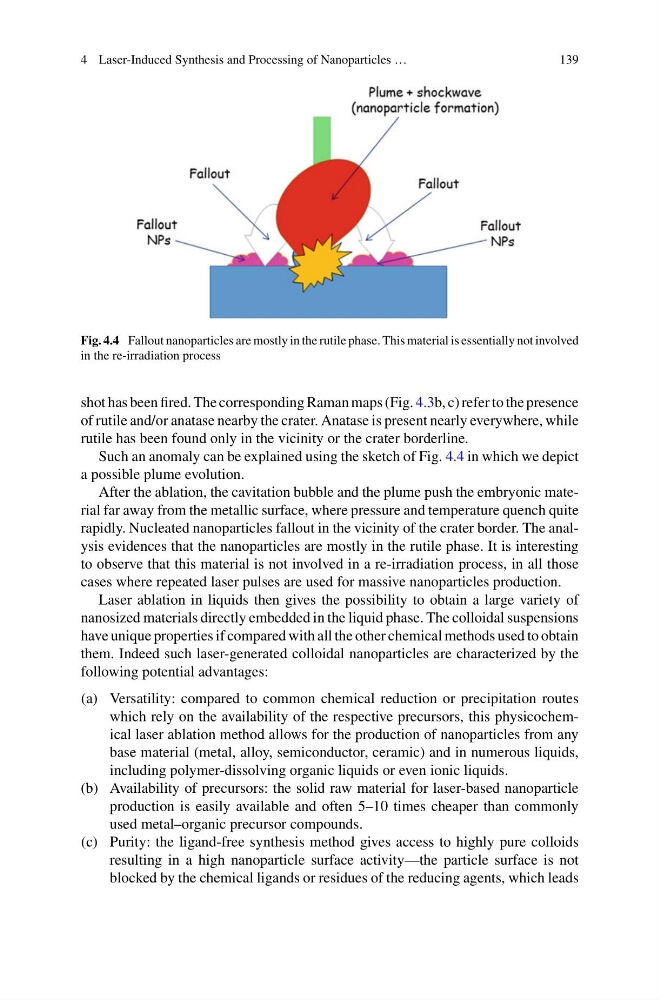
Fig. 4.4 Fallout nanoparticles are mostly in the rutile phase. This material is essentially not involved
in the re-irradiation process
shot has been fired. The corresponding Raman maps (Fig. 4.3b, c) refer to the presence
of rutile and/or anatase nearby the crater. Anatase is present nearly everywhere, while
rutile has been found only in the vicinity or the crater borderline.
Such an anomaly can be explained using the sketch of Fig. 4.4 in which we depict
a possible plume evolution.
After the ablation, the cavitation bubble and the plume push the embryonic material far away from the metallic surface, where pressure and temperature quench quite
rapidly. Nucleated nanoparticles fallout in the vicinity of the crater border. The analysis evidences that the nanoparticles are mostly in the rutile phase. It is interesting
to observe that this material is not involved in a re-irradiation process, in all those
cases where repeated laser pulses are used for massive nanoparticles production.
Laser ablation in liquids then gives the possibility to obtain a large variety of
nanosized materials directly embedded in the liquid phase. The colloidal suspensions
have unique properties if compared with all the other chemical methods used to obtain
them. Indeed such laser-generated colloidal nanoparticles are characterized by the
following potential advantages:
(a) Versatility: compared to common chemical reduction or precipitation routes
which rely on the availability of the respective precursors, this physicochemical laser ablation method allows for the production of nanoparticles from any
base material (metal, alloy, semiconductor, ceramic) and in numerous liquids,
including polymer-dissolving organic liquids or even ionic liquids.
(b) Availability of precursors: the solid raw material for laser-based nanoparticle
production is easily available and often 5–10 times cheaper than commonly
used metal–organic precursor compounds.
(c) Purity: the ligand-free synthesis method gives access to highly pure colloids
resulting in a high nanoparticle surface activity—the particle surface is not
blocked by the chemical ligands or residues of the reducing agents, which leads
139
Fig. 4.4 Fallout nanoparticles are mostly in the rutile phase. This material is essentially not involved
in the re-irradiation process
shot has been fired. The corresponding Raman maps (Fig. 4.3b, c) refer to the presence
of rutile and/or anatase nearby the crater. Anatase is present nearly everywhere, while
rutile has been found only in the vicinity or the crater borderline.
Such an anomaly can be explained using the sketch of Fig. 4.4 in which we depict
a possible plume evolution.
After the ablation, the cavitation bubble and the plume push the embryonic material far away from the metallic surface, where pressure and temperature quench quite
rapidly. Nucleated nanoparticles fallout in the vicinity of the crater border. The analysis evidences that the nanoparticles are mostly in the rutile phase. It is interesting
to observe that this material is not involved in a re-irradiation process, in all those
cases where repeated laser pulses are used for massive nanoparticles production.
Laser ablation in liquids then gives the possibility to obtain a large variety of
nanosized materials directly embedded in the liquid phase. The colloidal suspensions
have unique properties if compared with all the other chemical methods used to obtain
them. Indeed such laser-generated colloidal nanoparticles are characterized by the
following potential advantages:
(a) Versatility: compared to common chemical reduction or precipitation routes
which rely on the availability of the respective precursors, this physicochemical laser ablation method allows for the production of nanoparticles from any
base material (metal, alloy, semiconductor, ceramic) and in numerous liquids,
including polymer-dissolving organic liquids or even ionic liquids.
(b) Availability of precursors: the solid raw material for laser-based nanoparticle
production is easily available and often 5–10 times cheaper than commonly
used metal–organic precursor compounds.
(c) Purity: the ligand-free synthesis method gives access to highly pure colloids
resulting in a high nanoparticle surface activity—the particle surface is not
blocked by the chemical ligands or residues of the reducing agents, which leads