

470
M. Akazome and S. Matsumoto
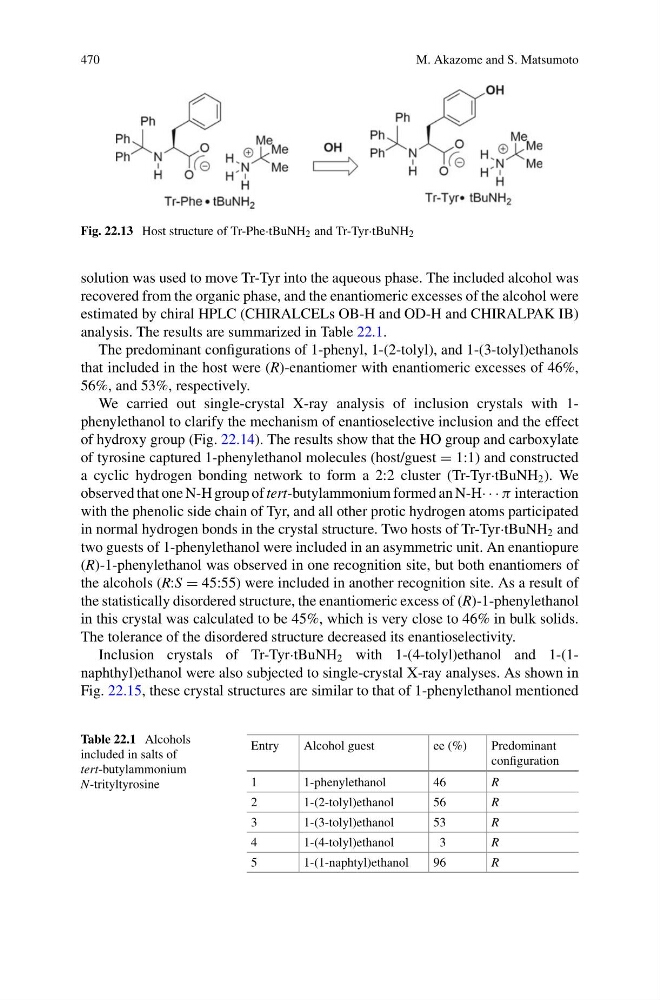
Fig. 22.13 Host structure of Tr-Phe·tBuNH 2 and Tr-Tyr·tBuNH 2
solution was used to move Tr-Tyr into the aqueous phase. The included alcohol was
recovered from the organic phase, and the enantiomeric excesses of the alcohol were
estimated by chiral HPLC (CHIRALCELs OB-H and OD-H and CHIRALPAK IB)
analysis. The results are summarized in Table 22.1.
The predominant configurations of 1-phenyl, 1-(2-tolyl), and 1-(3-tolyl)ethanols
that included in the host were (R)-enantiomer with enantiomeric excesses of 46%,
56%, and 53%, respectively.
We carried out single-crystal X-ray analysis of inclusion crystals with 1phenylethanol to clarify the mechanism of enantioselective inclusion and the effect
of hydroxy group (Fig. 22.14). The results show that the HO group and carboxylate
of tyrosine captured 1-phenylethanol molecules (host/guest = 1:1) and constructed
a cyclic hydrogen bonding network to form a 2:2 cluster (Tr-Tyr·tBuNH 2 ). We
observed that one N-H group of tert-butylammonium formed an N-H· · · π interaction
with the phenolic side chain of Tyr, and all other protic hydrogen atoms participated
in normal hydrogen bonds in the crystal structure. Two hosts of Tr-Tyr·tBuNH 2 and
two guests of 1-phenylethanol were included in an asymmetric unit. An enantiopure
(R)-1-phenylethanol was observed in one recognition site, but both enantiomers of
the alcohols (R:S = 45:55) were included in another recognition site. As a result of
the statistically disordered structure, the enantiomeric excess of (R)-1-phenylethanol
in this crystal was calculated to be 45%, which is very close to 46% in bulk solids.
The tolerance of the disordered structure decreased its enantioselectivity.
Inclusion crystals of Tr-Tyr·tBuNH 2 with 1-(4-tolyl)ethanol and 1-(1naphthyl)ethanol were also subjected to single-crystal X-ray analyses. As shown in
Fig. 22.15, these crystal structures are similar to that of 1-phenylethanol mentioned
Table 22.1 Alcohols
included in salts of
tert-butylammonium
N-trityltyrosine
Entry
Alcohol guest
ee (%)
Predominant
configuration
1
1-phenylethanol
46
R
2
1-(2-tolyl)ethanol
56
R
3
1-(3-tolyl)ethanol
53
R
4
1-(4-tolyl)ethanol
3
R
5
1-(1-naphtyl)ethanol
96
R
M. Akazome and S. Matsumoto
Fig. 22.13 Host structure of Tr-Phe·tBuNH 2 and Tr-Tyr·tBuNH 2
solution was used to move Tr-Tyr into the aqueous phase. The included alcohol was
recovered from the organic phase, and the enantiomeric excesses of the alcohol were
estimated by chiral HPLC (CHIRALCELs OB-H and OD-H and CHIRALPAK IB)
analysis. The results are summarized in Table 22.1.
The predominant configurations of 1-phenyl, 1-(2-tolyl), and 1-(3-tolyl)ethanols
that included in the host were (R)-enantiomer with enantiomeric excesses of 46%,
56%, and 53%, respectively.
We carried out single-crystal X-ray analysis of inclusion crystals with 1phenylethanol to clarify the mechanism of enantioselective inclusion and the effect
of hydroxy group (Fig. 22.14). The results show that the HO group and carboxylate
of tyrosine captured 1-phenylethanol molecules (host/guest = 1:1) and constructed
a cyclic hydrogen bonding network to form a 2:2 cluster (Tr-Tyr·tBuNH 2 ). We
observed that one N-H group of tert-butylammonium formed an N-H· · · π interaction
with the phenolic side chain of Tyr, and all other protic hydrogen atoms participated
in normal hydrogen bonds in the crystal structure. Two hosts of Tr-Tyr·tBuNH 2 and
two guests of 1-phenylethanol were included in an asymmetric unit. An enantiopure
(R)-1-phenylethanol was observed in one recognition site, but both enantiomers of
the alcohols (R:S = 45:55) were included in another recognition site. As a result of
the statistically disordered structure, the enantiomeric excess of (R)-1-phenylethanol
in this crystal was calculated to be 45%, which is very close to 46% in bulk solids.
The tolerance of the disordered structure decreased its enantioselectivity.
Inclusion crystals of Tr-Tyr·tBuNH 2 with 1-(4-tolyl)ethanol and 1-(1naphthyl)ethanol were also subjected to single-crystal X-ray analyses. As shown in
Fig. 22.15, these crystal structures are similar to that of 1-phenylethanol mentioned
Table 22.1 Alcohols
included in salts of
tert-butylammonium
N-trityltyrosine
Entry
Alcohol guest
ee (%)
Predominant
configuration
1
1-phenylethanol
46
R
2
1-(2-tolyl)ethanol
56
R
3
1-(3-tolyl)ethanol
53
R
4
1-(4-tolyl)ethanol
3
R
5
1-(1-naphtyl)ethanol
96
R