

452
M. Sakamoto
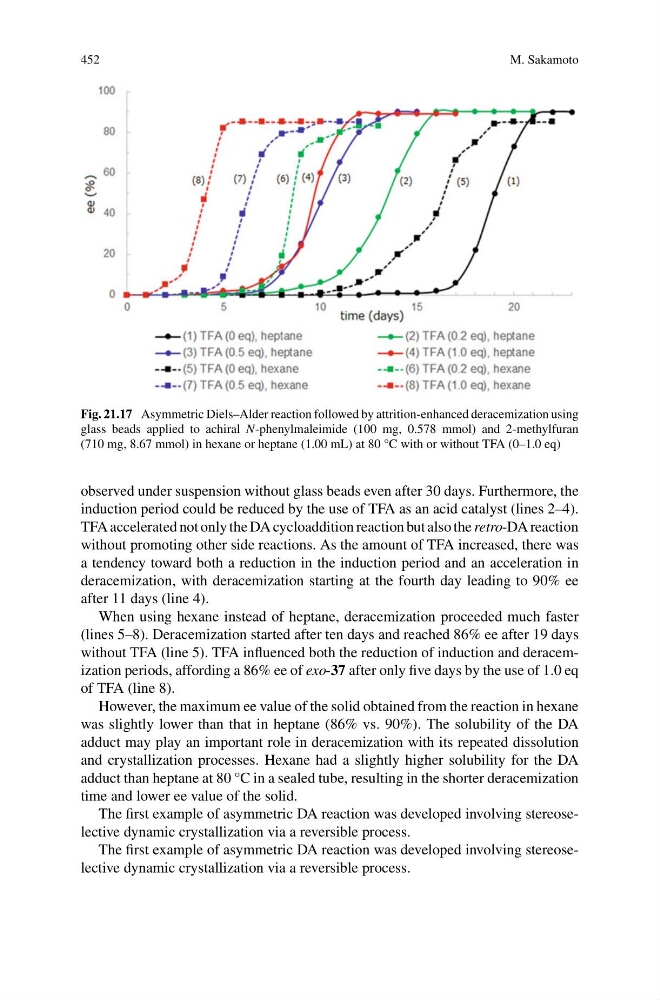
Fig. 21.17 Asymmetric Diels–Alder reaction followed by attrition-enhanced deracemization using
glass beads applied to achiral N-phenylmaleimide (100 mg, 0.578 mmol) and 2-methylfuran
(710 mg, 8.67 mmol) in hexane or heptane (1.00 mL) at 80 °C with or without TFA (0–1.0 eq)
observed under suspension without glass beads even after 30 days. Furthermore, the
induction period could be reduced by the use of TFA as an acid catalyst (lines 2–4).
TFA accelerated not only the DA cycloaddition reaction but also the retro-DA reaction
without promoting other side reactions. As the amount of TFA increased, there was
a tendency toward both a reduction in the induction period and an acceleration in
deracemization, with deracemization starting at the fourth day leading to 90% ee
after 11 days (line 4).
When using hexane instead of heptane, deracemization proceeded much faster
(lines 5–8). Deracemization started after ten days and reached 86% ee after 19 days
without TFA (line 5). TFA influenced both the reduction of induction and deracemization periods, affording a 86% ee of exo-37 after only five days by the use of 1.0 eq
of TFA (line 8).
However, the maximum ee value of the solid obtained from the reaction in hexane
was slightly lower than that in heptane (86% vs. 90%). The solubility of the DA
adduct may play an important role in deracemization with its repeated dissolution
and crystallization processes. Hexane had a slightly higher solubility for the DA
adduct than heptane at 80 °C in a sealed tube, resulting in the shorter deracemization
time and lower ee value of the solid.
The first example of asymmetric DA reaction was developed involving stereoselective dynamic crystallization via a reversible process.
The first example of asymmetric DA reaction was developed involving stereoselective dynamic crystallization via a reversible process.
M. Sakamoto
Fig. 21.17 Asymmetric Diels–Alder reaction followed by attrition-enhanced deracemization using
glass beads applied to achiral N-phenylmaleimide (100 mg, 0.578 mmol) and 2-methylfuran
(710 mg, 8.67 mmol) in hexane or heptane (1.00 mL) at 80 °C with or without TFA (0–1.0 eq)
observed under suspension without glass beads even after 30 days. Furthermore, the
induction period could be reduced by the use of TFA as an acid catalyst (lines 2–4).
TFA accelerated not only the DA cycloaddition reaction but also the retro-DA reaction
without promoting other side reactions. As the amount of TFA increased, there was
a tendency toward both a reduction in the induction period and an acceleration in
deracemization, with deracemization starting at the fourth day leading to 90% ee
after 11 days (line 4).
When using hexane instead of heptane, deracemization proceeded much faster
(lines 5–8). Deracemization started after ten days and reached 86% ee after 19 days
without TFA (line 5). TFA influenced both the reduction of induction and deracemization periods, affording a 86% ee of exo-37 after only five days by the use of 1.0 eq
of TFA (line 8).
However, the maximum ee value of the solid obtained from the reaction in hexane
was slightly lower than that in heptane (86% vs. 90%). The solubility of the DA
adduct may play an important role in deracemization with its repeated dissolution
and crystallization processes. Hexane had a slightly higher solubility for the DA
adduct than heptane at 80 °C in a sealed tube, resulting in the shorter deracemization
time and lower ee value of the solid.
The first example of asymmetric DA reaction was developed involving stereoselective dynamic crystallization via a reversible process.
The first example of asymmetric DA reaction was developed involving stereoselective dynamic crystallization via a reversible process.