

386
E. R. T. Tiekink
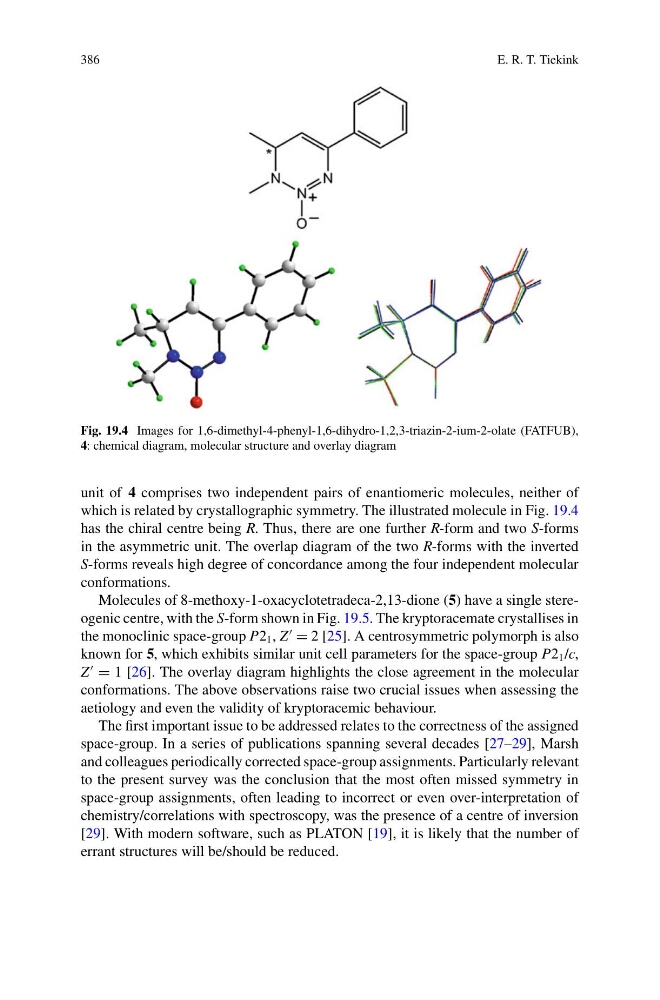
Fig. 19.4 Images for 1,6-dimethyl-4-phenyl-1,6-dihydro-1,2,3-triazin-2-ium-2-olate (FATFUB),
4: chemical diagram, molecular structure and overlay diagram
unit of 4 comprises two independent pairs of enantiomeric molecules, neither of
which is related by crystallographic symmetry. The illustrated molecule in Fig. 19.4
has the chiral centre being R. Thus, there are one further R-form and two S-forms
in the asymmetric unit. The overlap diagram of the two R-forms with the inverted
S-forms reveals high degree of concordance among the four independent molecular
conformations.
Molecules of 8-methoxy-1-oxacyclotetradeca-2,13-dione (5) have a single stereogenic centre, with the S-form shown in Fig. 19.5. The kryptoracemate crystallises in
the monoclinic space-group P2 1 , Z
= 2 [25]. A centrosymmetric polymorph is also
known for 5, which exhibits similar unit cell parameters for the space-group P2 1 /c,
Z
= 1 [26]. The overlay diagram highlights the close agreement in the molecular
conformations. The above observations raise two crucial issues when assessing the
aetiology and even the validity of kryptoracemic behaviour.
The first important issue to be addressed relates to the correctness of the assigned
space-group. In a series of publications spanning several decades [27–29], Marsh
and colleagues periodically corrected space-group assignments. Particularly relevant
to the present survey was the conclusion that the most often missed symmetry in
space-group assignments, often leading to incorrect or even over-interpretation of
chemistry/correlations with spectroscopy, was the presence of a centre of inversion
[29]. With modern software, such as PLATON [19], it is likely that the number of
errant structures will be/should be reduced.
E. R. T. Tiekink
Fig. 19.4 Images for 1,6-dimethyl-4-phenyl-1,6-dihydro-1,2,3-triazin-2-ium-2-olate (FATFUB),
4: chemical diagram, molecular structure and overlay diagram
unit of 4 comprises two independent pairs of enantiomeric molecules, neither of
which is related by crystallographic symmetry. The illustrated molecule in Fig. 19.4
has the chiral centre being R. Thus, there are one further R-form and two S-forms
in the asymmetric unit. The overlap diagram of the two R-forms with the inverted
S-forms reveals high degree of concordance among the four independent molecular
conformations.
Molecules of 8-methoxy-1-oxacyclotetradeca-2,13-dione (5) have a single stereogenic centre, with the S-form shown in Fig. 19.5. The kryptoracemate crystallises in
the monoclinic space-group P2 1 , Z
= 2 [25]. A centrosymmetric polymorph is also
known for 5, which exhibits similar unit cell parameters for the space-group P2 1 /c,
Z
= 1 [26]. The overlay diagram highlights the close agreement in the molecular
conformations. The above observations raise two crucial issues when assessing the
aetiology and even the validity of kryptoracemic behaviour.
The first important issue to be addressed relates to the correctness of the assigned
space-group. In a series of publications spanning several decades [27–29], Marsh
and colleagues periodically corrected space-group assignments. Particularly relevant
to the present survey was the conclusion that the most often missed symmetry in
space-group assignments, often leading to incorrect or even over-interpretation of
chemistry/correlations with spectroscopy, was the presence of a centre of inversion
[29]. With modern software, such as PLATON [19], it is likely that the number of
errant structures will be/should be reduced.