

22.4 Marine Environment Conditions and Alboran Sea
Fisheries
This section goes through the identification of marine environment factors affecting
the evolution of fisheries resources as one of the most important goods and services
for food provisions of the seas. The identification of this factor and its interaction in
the social-ecological system will allow us to attain the knowledge base necessary for
the proper design of the fisheries management system of Alboran Sea fisheries with
the aim of sustainability in the framework of an integrated coastal management of it.
This section focuses on climatic drivers and other marine environment factors
whose variability influences fisheries, as seen in Sect. 22.3 where technical and
socioeconomic drivers were described in the Alboran Sea.
Global warming drivers result in a wide range of impacts on fisheries including
changes in fisheries productivity and spatial distribution and consequently on rent
and demand (Sumaila et al. 2011). Anthropogenic climatic driving forces are
mediated primarily by greenhouse gas (predominantly CO 2 ) emissions that result
in increasing global mean temperature causing a wide range of physical and chemical changes in marine systems (Harley et al. 2006). The increase of sea surface
temperature (SST) is the main manifestation of global warming affecting the
Alboran Sea fish stocks.
Other drivers like acidification and UV increase are not of the same immediate
importance. Acidification, for instance, is due to the CO 2 concentration in the
atmosphere in the Mediterranean Sea, especially in the Adriatic Sea and the Gulf
of Gabés (Tunisia) (Micheli et al. 2013; Meier et al. 2014). Major acidification
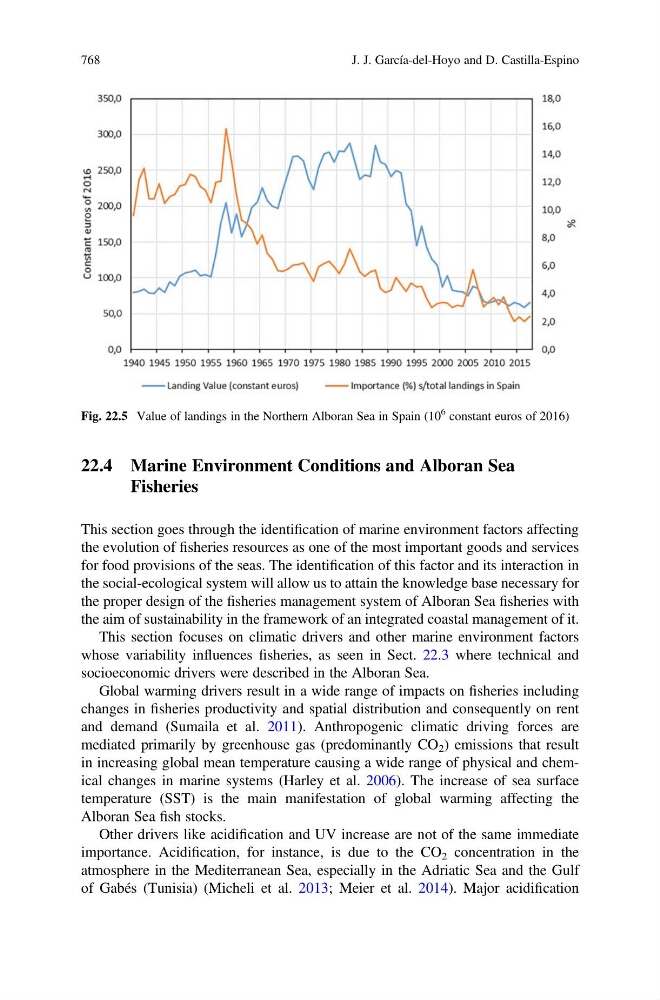
Fig. 22.5 Value of landings in the Northern Alboran Sea in Spain (10
6 constant euros of 2016)
768
J. J. García-del-Hoyo and D. Castilla-Espino