

fishermen’s expectations are to diversify their local activities, enhance employment,
and generate income for the local population. The transition from experimental
phase to commercial production phase is conditioned by an environmental impact
study and an area study aiming at the sanitary classification of the breeding site, both
achieved. Sanitary classification of this mussel culture farm is B, and then a
purification station is under construction supervised by ANDA (ANDA 2019a, b).
20.4.2 Main Constraints of Aquaculture Development
According to the above history of marine aquaculture on the Mediterranean coasts of
Morocco, it appears that, despite the progress made in terms of species diversification and breeding techniques, the formation of skilled staff through training programs, and the mastery of aquaculture techniques, particularly intensive farming
systems, including hatchery, nursery, and growing, this activity has not been able yet
to develop in accordance with existing potentialities and generated a sustainable
increase that can support the national production.
Moroccan aquaculture farms have encountered major problems, particularly in
terms of competitiveness and cultured product sales both in foreign and domestic
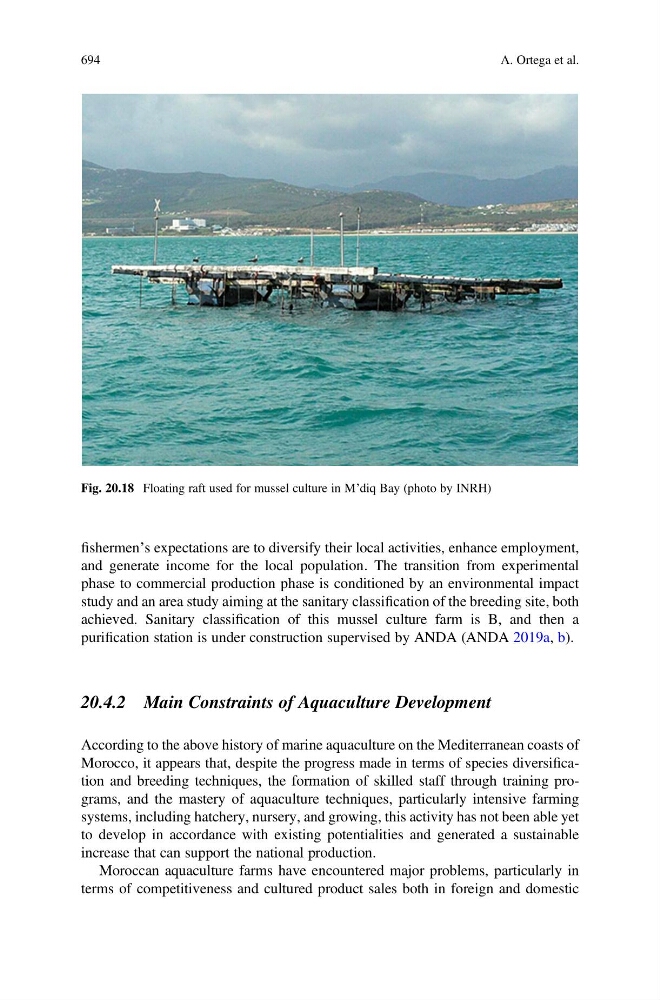
Fig. 20.18 Floating raft used for mussel culture in M’diq Bay (photo by INRH)
694
A. Ortega et al.