

use of facilities in the open sea. However, land-based facilities could also be a viable
alternative, depending on the geographical location.
A simulation of growth and survival in a floating cage in the open sea in the
Mediterranean can be made from the algorithm that was developed by García García
et al. (2009), taking into account the variables such as temperature, weight, size
dispersion, and significant wave height. The optimal temperature was established in
the range of 14–21
C. Mortality increased significantly with the dispersion of sizes
and particularly in smaller specimens.
Subsequently, Cerezo Valverde et al. (2019) published the results of an octopus
fattening project in the same area via the supply of formulated feeds. The main
differences between the two studies were the diet (natural vs. formulated feed) and
the type of cage (rectangular stainless steel with animals on the surface vs. circular
with animals at 10 m depth). The obtained results suggest that keeping the octopus at
a certain depth could improve the yield and that the natural diet based on fish and
crustaceans could be replaced by a formulated feed, without diminishing performance in fattening. Survival was around 75% in both studies (Fig. 20.12).
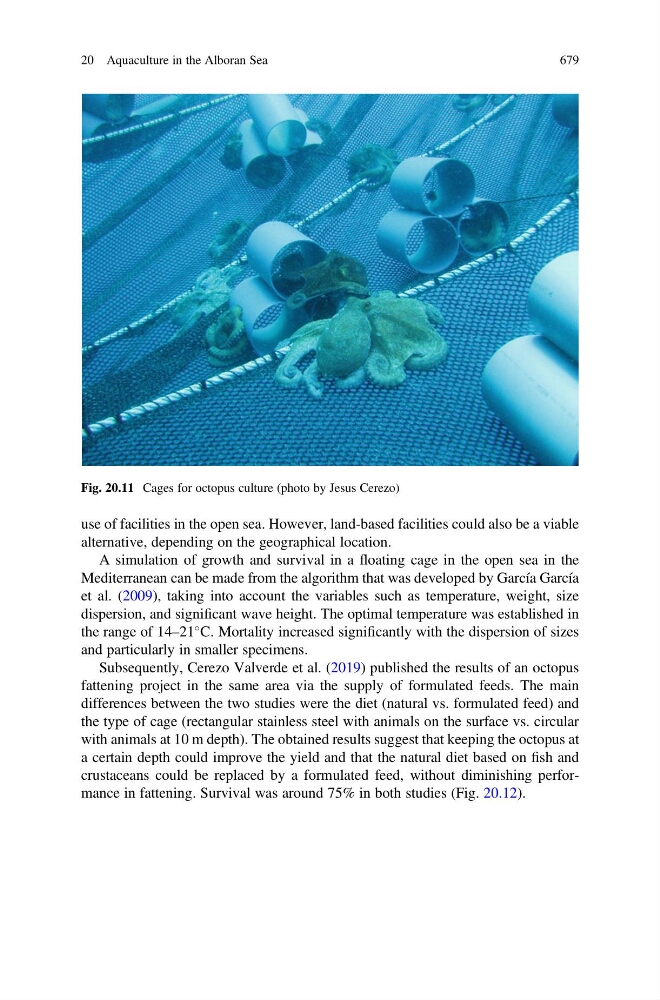
Fig. 20.11 Cages for octopus culture (photo by Jesus Cerezo)
20 Aquaculture in the Alboran Sea
679