

Most of its population is confined to the continental shelf, with greatest densities
shallower than 100 m depth (rare or occasionally below 200 m) habiting diverse
ecological niches like rocky, gravel, sandy, and muddy bottoms (Guerra 1981;
Mangold 1983; Belcari and Sartor 1999; Borges et al. 2000; Belcari et al. 2002;
Norman et al. 2014). Its bathymetric distribution depends on its life cycle.
O. vulgaris migrates from offshore to inshore waters during the breeding season
for the female necessity of rocky substrate for spawning. After, the adults die, while
youngers migrate to deeper water where growth and mature take place (MangoldWirz 1963; Guerra 1981; Quetglas et al. 1998; Garcia-Martínez et al. 2017).
In the MEDITS survey carried out in GSA 01, O. vulgaris was caught between
40 and 341 m depth (Fig. 18.21).
In the Mediterranean Sea, O. vulgaris is predatory feed predominantly on crustaceans (mainly decapods), mollusks (mainly bivalves), and fishes; it can also be
cannibal, feeding occasionally other cephalopods (Guerra 1978; Quetglas et al.
1998; Norman et al. 2014; Sánchez et al. 2015). A wide range of predators prey
on this species, mainly vertebrates (cetaceans, birds, teleost fishes, and elasmobranch) and other cephalopods (Hanlon and Messenger 1996; Norman et al. 2014).
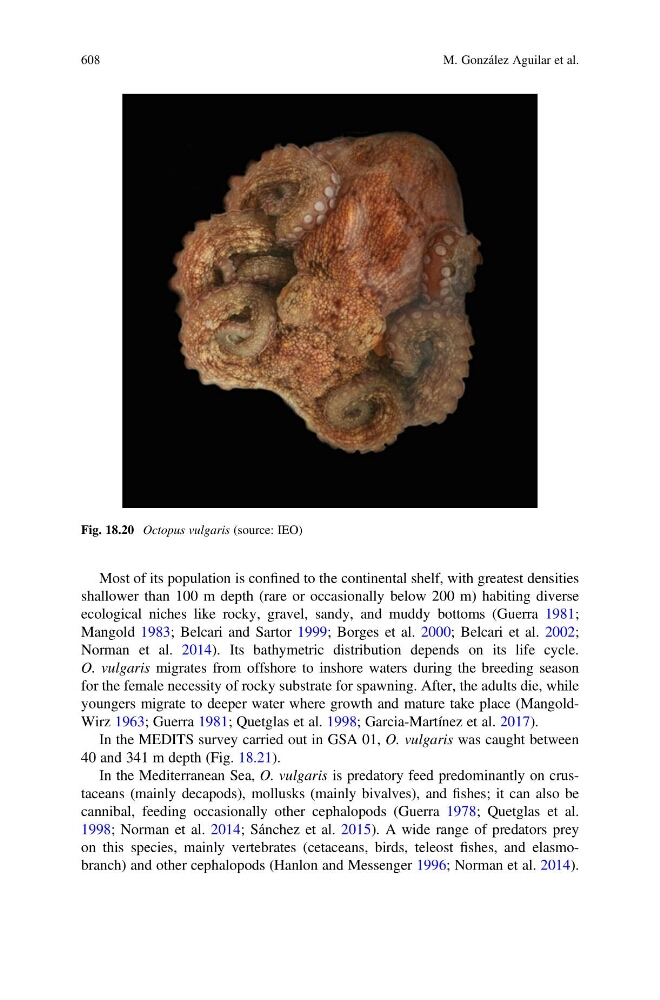
Fig. 18.20 Octopus vulgaris (source: IEO)
608
M. González Aguilar et al.
shallower than 100 m depth (rare or occasionally below 200 m) habiting diverse
ecological niches like rocky, gravel, sandy, and muddy bottoms (Guerra 1981;
Mangold 1983; Belcari and Sartor 1999; Borges et al. 2000; Belcari et al. 2002;
Norman et al. 2014). Its bathymetric distribution depends on its life cycle.
O. vulgaris migrates from offshore to inshore waters during the breeding season
for the female necessity of rocky substrate for spawning. After, the adults die, while
youngers migrate to deeper water where growth and mature take place (MangoldWirz 1963; Guerra 1981; Quetglas et al. 1998; Garcia-Martínez et al. 2017).
In the MEDITS survey carried out in GSA 01, O. vulgaris was caught between
40 and 341 m depth (Fig. 18.21).
In the Mediterranean Sea, O. vulgaris is predatory feed predominantly on crustaceans (mainly decapods), mollusks (mainly bivalves), and fishes; it can also be
cannibal, feeding occasionally other cephalopods (Guerra 1978; Quetglas et al.
1998; Norman et al. 2014; Sánchez et al. 2015). A wide range of predators prey
on this species, mainly vertebrates (cetaceans, birds, teleost fishes, and elasmobranch) and other cephalopods (Hanlon and Messenger 1996; Norman et al. 2014).
Fig. 18.20 Octopus vulgaris (source: IEO)
608
M. González Aguilar et al.