

tuna in the Mediterranean (García et al. 2006a, b; Alemany et al. 2010; Uriarte
2018).
The change of plankton gear and sampling at night was mainly aimed to collect
larger sized larval specimens, centered on postlarval stages for its longer age history.
A historical time series analysis of the Californian anchovy egg and larval abundance of the CalCOFI surveys was not able to relate neither of these variables to the
recruitment success of the Californian anchovy (Engraulis mordax) (Bradford
1992). The study concluded that recruitment success was not related to egg and
larval abundance, postulating that the abundance of postlarval stages of sizes around
15 mm would have a greater repercussion on annual recruitment.
Consequently, in the first analysis between the standard Bongo 40 tows and the
Bongo 90, anchovy larval size increased to an average catch of 15 mm (Fig. 13.6)
larvae in favor of the Bongo 90 gear. Furthermore, the size range of larvae being
collected also increased. This net was later applied in an Atlantic bluefin tuna project
(TUNIBAL) aiming to sample bluefin larvae following an ICCAT recommendation
promoting research of bluefin larvae. The project showed great success in collecting
large numbers of Atlantic bluefin tuna larvae since its first implementation (García
et al. 2003). Similar sampling techniques were also adopted in the spawning grounds
of Atlantic bluefin tuna spawning in the Gulf of Mexico, where this type of gear
excelled all others in a suite of other ichthyoplankton nets (Habtes et al. 2014).
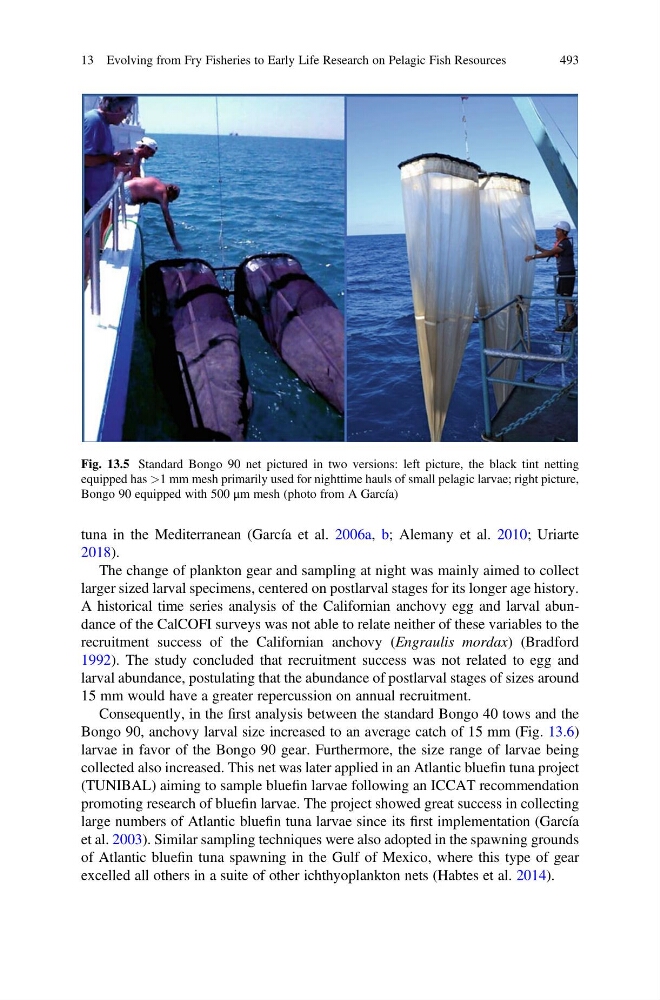
Fig. 13.5 Standard Bongo 90 net pictured in two versions: left picture, the black tint netting
equipped has >1 mm mesh primarily used for nighttime hauls of small pelagic larvae; right picture,
Bongo 90 equipped with 500 μm mesh (photo from A García)
13 Evolving from Fry Fisheries to Early Life Research on Pelagic Fish Resources
493
2018).
The change of plankton gear and sampling at night was mainly aimed to collect
larger sized larval specimens, centered on postlarval stages for its longer age history.
A historical time series analysis of the Californian anchovy egg and larval abundance of the CalCOFI surveys was not able to relate neither of these variables to the
recruitment success of the Californian anchovy (Engraulis mordax) (Bradford
1992). The study concluded that recruitment success was not related to egg and
larval abundance, postulating that the abundance of postlarval stages of sizes around
15 mm would have a greater repercussion on annual recruitment.
Consequently, in the first analysis between the standard Bongo 40 tows and the
Bongo 90, anchovy larval size increased to an average catch of 15 mm (Fig. 13.6)
larvae in favor of the Bongo 90 gear. Furthermore, the size range of larvae being
collected also increased. This net was later applied in an Atlantic bluefin tuna project
(TUNIBAL) aiming to sample bluefin larvae following an ICCAT recommendation
promoting research of bluefin larvae. The project showed great success in collecting
large numbers of Atlantic bluefin tuna larvae since its first implementation (García
et al. 2003). Similar sampling techniques were also adopted in the spawning grounds
of Atlantic bluefin tuna spawning in the Gulf of Mexico, where this type of gear
excelled all others in a suite of other ichthyoplankton nets (Habtes et al. 2014).
Fig. 13.5 Standard Bongo 90 net pictured in two versions: left picture, the black tint netting
equipped has >1 mm mesh primarily used for nighttime hauls of small pelagic larvae; right picture,
Bongo 90 equipped with 500 μm mesh (photo from A García)
13 Evolving from Fry Fisheries to Early Life Research on Pelagic Fish Resources
493