

several episodes of colder and warmer climate during the glaciations of the last
700,000 years (Siddall et al. 2007), corresponding respectively with lower and upper
limits of the sea level. The best documented are the last interglacial period including
the warm “Marine Isotope Stage 5e”, between 116,000 and 122,000 years ago with a
highstand of sea level leaving deposits above the current shoreline, and the Last
Glacial Maximum, between 19,000 and 22,000 years ago with a coastline receding
to the outer part of the continental shelf, now around 100 metres deep.
During the last interglacial, the Mediterranean fauna incorporated many thermophilous elements, the most conspicuous of which is the large strombid
Persististrombus latus (also known as Strombus bubonius), sometimes abundant in
marine terraces, and fish of the families Serranidae, Sparidae, or Labridae. This
thermophilous fauna, which was first described on the coast of Sardinia (hence the
name of “Tyrrhenian” given to those deposits), are recorded in the Alboran Sea, best
exposed near Almería (Zazo et al. 2003) and to a lesser extent on the coast of Málaga
(Lario et al. 1993).
The cold spells of the Pleistocene are scarcely recorded from the Alboran Sea, but
this is mostly due to a lack of proper sampling. Remains of cold-water species like
the whelk Buccinum undatum or the horse mussel Modiolus modiolus are routinely
taken by commercial trawlers operating deeper than 100 m off the coasts of Málaga
(Fig. 11.3). Modiolus was also found during the Pleistocene on the Alboran platform, then surrounding an island much larger than it is nowadays. Boreal fish species
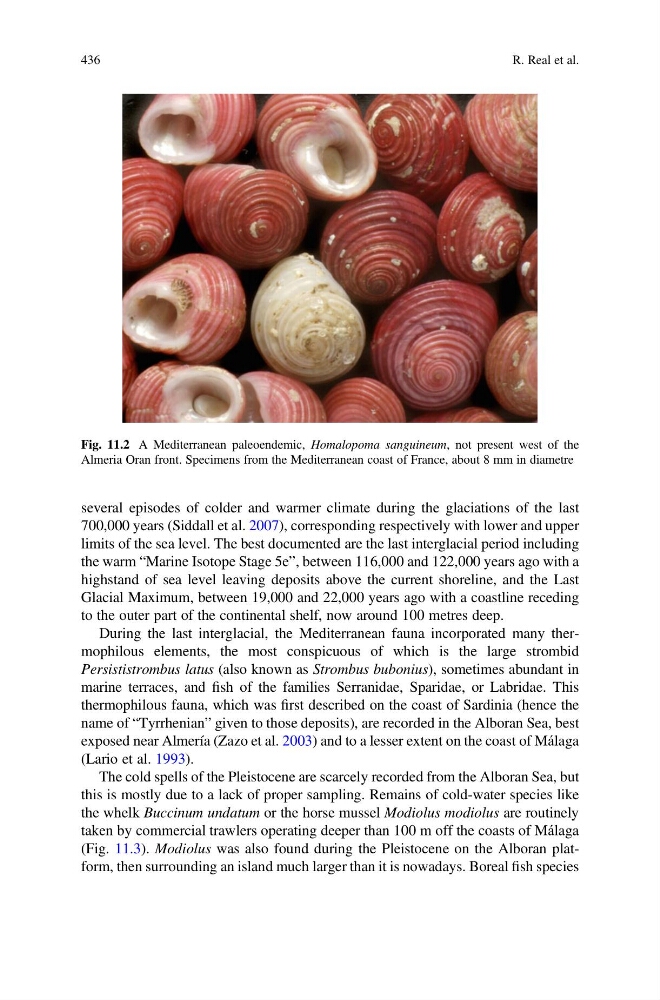
Fig. 11.2 A Mediterranean paleoendemic, Homalopoma sanguineum, not present west of the
Almeria Oran front. Specimens from the Mediterranean coast of France, about 8 mm in diametre
436
R. Real et al.
700,000 years (Siddall et al. 2007), corresponding respectively with lower and upper
limits of the sea level. The best documented are the last interglacial period including
the warm “Marine Isotope Stage 5e”, between 116,000 and 122,000 years ago with a
highstand of sea level leaving deposits above the current shoreline, and the Last
Glacial Maximum, between 19,000 and 22,000 years ago with a coastline receding
to the outer part of the continental shelf, now around 100 metres deep.
During the last interglacial, the Mediterranean fauna incorporated many thermophilous elements, the most conspicuous of which is the large strombid
Persististrombus latus (also known as Strombus bubonius), sometimes abundant in
marine terraces, and fish of the families Serranidae, Sparidae, or Labridae. This
thermophilous fauna, which was first described on the coast of Sardinia (hence the
name of “Tyrrhenian” given to those deposits), are recorded in the Alboran Sea, best
exposed near Almería (Zazo et al. 2003) and to a lesser extent on the coast of Málaga
(Lario et al. 1993).
The cold spells of the Pleistocene are scarcely recorded from the Alboran Sea, but
this is mostly due to a lack of proper sampling. Remains of cold-water species like
the whelk Buccinum undatum or the horse mussel Modiolus modiolus are routinely
taken by commercial trawlers operating deeper than 100 m off the coasts of Málaga
(Fig. 11.3). Modiolus was also found during the Pleistocene on the Alboran platform, then surrounding an island much larger than it is nowadays. Boreal fish species
Fig. 11.2 A Mediterranean paleoendemic, Homalopoma sanguineum, not present west of the
Almeria Oran front. Specimens from the Mediterranean coast of France, about 8 mm in diametre
436
R. Real et al.