

210
5 – Applications
L Coulombic efficiency
The coulombic efficiency is the ratio
C
C
nom
disc
ρ =
where C disc denotes the capacity
recuperated at the maximum potential.
Charging or recharging a generator consists of supplying it with electrical energy
so that the reactions at the electrodes are the opposite of those that occur during
discharge. The generator in this case behaves as a receiver and the minimal
potential U c to apply to its terminals is
U
E RI
c
a
( )
c
( )
η
η
Δ
=
+
+
+
+
−
NB – This equation is the same as that for the potential to apply to the terminals
of an electrolyzer.
L Current-voltage and power-current characteristics
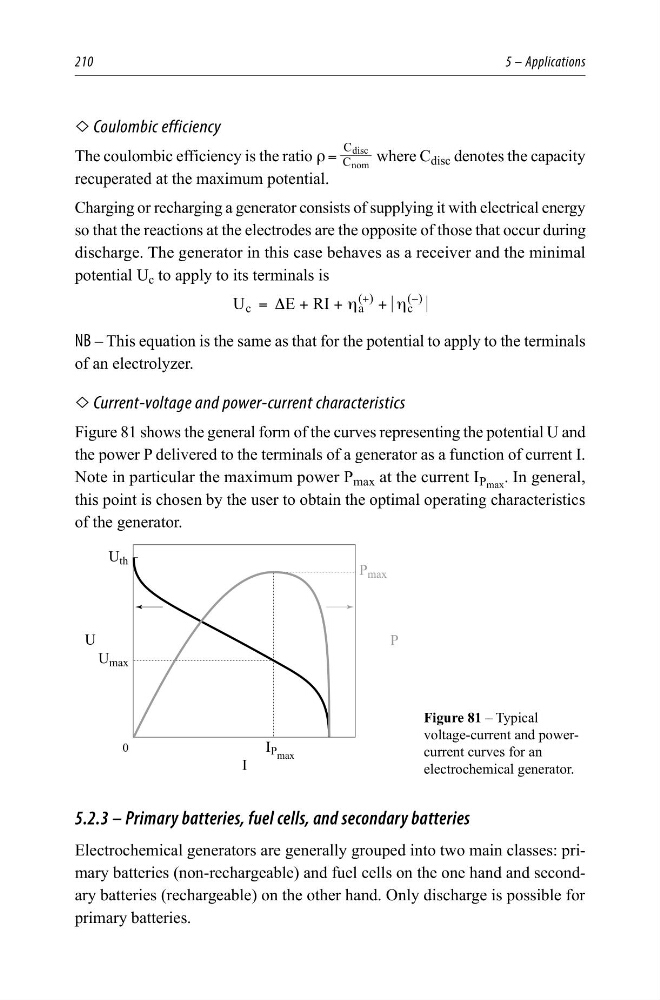
Figure 81 shows the general form of the curves representing the potential U and
the power P delivered to the terminals of a generator as a function of current I.
Note in particular the maximum power P max at the current I P max . In general,
this point is chosen by the user to obtain the optimal operating characteristics
of the generator.
Figure 81 – Typical
voltage-current and powercurrent curves for an
electrochemical generator.
5.2.3 – Primary batteries, fuel cells, and secondary batteries
Electrochemical generators are generally grouped into two main classes: primary batteries (non-rechargeable) and fuel cells on the one hand and secondary batteries (rechargeable) on the other hand. Only discharge is possible for
primary batteries.
8 WK
8
3
,
, 3 PD[
8 PD[
3 PD[
5 – Applications
L Coulombic efficiency
The coulombic efficiency is the ratio
C
C
nom
disc
ρ =
where C disc denotes the capacity
recuperated at the maximum potential.
Charging or recharging a generator consists of supplying it with electrical energy
so that the reactions at the electrodes are the opposite of those that occur during
discharge. The generator in this case behaves as a receiver and the minimal
potential U c to apply to its terminals is
U
E RI
c
a
( )
c
( )
η
η
Δ
=
+
+
+
+
−
NB – This equation is the same as that for the potential to apply to the terminals
of an electrolyzer.
L Current-voltage and power-current characteristics
Figure 81 shows the general form of the curves representing the potential U and
the power P delivered to the terminals of a generator as a function of current I.
Note in particular the maximum power P max at the current I P max . In general,
this point is chosen by the user to obtain the optimal operating characteristics
of the generator.
Figure 81 – Typical
voltage-current and powercurrent curves for an
electrochemical generator.
5.2.3 – Primary batteries, fuel cells, and secondary batteries
Electrochemical generators are generally grouped into two main classes: primary batteries (non-rechargeable) and fuel cells on the one hand and secondary batteries (rechargeable) on the other hand. Only discharge is possible for
primary batteries.
8 WK
8
3
,
, 3 PD[
8 PD[
3 PD[