

nature. The relationship and difference between science and religion was named the
Science-Religion Dichotomy (Brooke 1991; Harrison 2015).
Religious beliefs traditionally treated influences on the disaster, survival through
critical times, and risk management. And even if the role of religion in many parts of
the world is displaced by scientific information, and even if the meaning of religion
for younger people is declining almost everywhere in the world (Gallup and Lindsay
1999; Bruce 2002; Norris and Inglehart 2004) hope and prayer might become
important whenever and wherever people are confronted with unexpected catastrophes or death. For many people today both are acceptable and combinable without
any problem, scientific knowledge and religious belief.
Local traditional knowledge is eroding almost everywhere while the influence
and availability of scientific information is increasing since the beginning of the
secularization (Derman 2003; Graber and Nenova 2008; Kala 2012)—
modernity vs. tradition.
Digital media enable a burst of information and communication which may be
filtered by every provider and user. These filters are used according to individual
interests and convictions. Moreover, new information sought normally confirms
one’s own values and moral systems. Science and media are not independent of
awareness, investment and profit. Different scientific waves profit from political
movements and public spectacles.
Fields such as disease prevention, coastal protection, or nature conservation may
be related to environmental issues and are interrelated by uncountable nodes and
nets. Therefore, it is still difficult to give serious prognoses and to describe reliable
consequences for management.
Of course, apocalyptic imaginaries have been around for a long time as [an] integral part of
Western thought, first of Christianity and later emerging as the underbelly of fast forwarding
technological modernization and its associated doomsday thinkers. However, present-day
millennialism preaches an apocalypse without the premise of redemption. Saint John’s
biblical apocalypse, for example, found its redemption in God’s infinite love. The
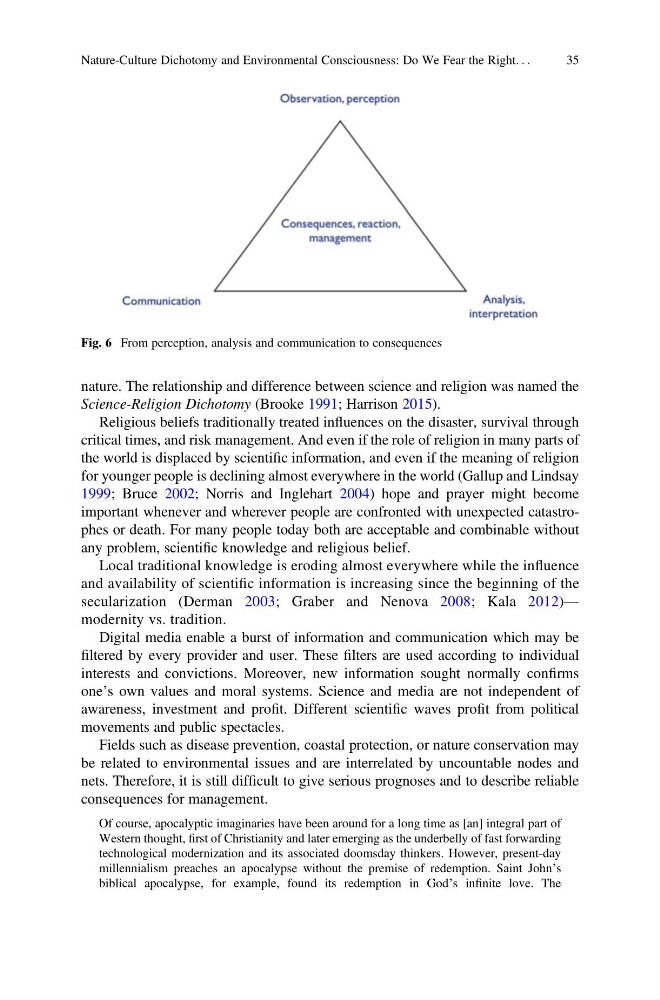
Fig. 6 From perception, analysis and communication to consequences
Nature-Culture Dichotomy and Environmental Consciousness: Do We Fear the Right. . .
35
Science-Religion Dichotomy (Brooke 1991; Harrison 2015).
Religious beliefs traditionally treated influences on the disaster, survival through
critical times, and risk management. And even if the role of religion in many parts of
the world is displaced by scientific information, and even if the meaning of religion
for younger people is declining almost everywhere in the world (Gallup and Lindsay
1999; Bruce 2002; Norris and Inglehart 2004) hope and prayer might become
important whenever and wherever people are confronted with unexpected catastrophes or death. For many people today both are acceptable and combinable without
any problem, scientific knowledge and religious belief.
Local traditional knowledge is eroding almost everywhere while the influence
and availability of scientific information is increasing since the beginning of the
secularization (Derman 2003; Graber and Nenova 2008; Kala 2012)—
modernity vs. tradition.
Digital media enable a burst of information and communication which may be
filtered by every provider and user. These filters are used according to individual
interests and convictions. Moreover, new information sought normally confirms
one’s own values and moral systems. Science and media are not independent of
awareness, investment and profit. Different scientific waves profit from political
movements and public spectacles.
Fields such as disease prevention, coastal protection, or nature conservation may
be related to environmental issues and are interrelated by uncountable nodes and
nets. Therefore, it is still difficult to give serious prognoses and to describe reliable
consequences for management.
Of course, apocalyptic imaginaries have been around for a long time as [an] integral part of
Western thought, first of Christianity and later emerging as the underbelly of fast forwarding
technological modernization and its associated doomsday thinkers. However, present-day
millennialism preaches an apocalypse without the premise of redemption. Saint John’s
biblical apocalypse, for example, found its redemption in God’s infinite love. The
Fig. 6 From perception, analysis and communication to consequences
Nature-Culture Dichotomy and Environmental Consciousness: Do We Fear the Right. . .
35