

safeguarding biodiversity is increasingly becoming a vital societal task in the context
of global environmental change (Griggs et al. 2013).
This publication provides an introduction to the biodiversity typical of the world’s
most important forest biomes (i.e. tropical, subtropical, temperate, and boreal forests) and highlights the currently acting drivers of forest biodiversity loss. The most
recent findings on relationships between biodiversity patterns and ecosystem functions in forest ecosystems will be summarized, including the consequences of
biodiversity loss for the provision of important ecosystem services. Finally, this
chapter highlights the implications for the protection and management of forest
ecosystems as important means for biodiversity protection, climate change mitigation and meeting global environmental agreements.
2 Distribution and Ecological Characteristics of Important
Forest Biomes
Forest ecosystems cover about 4356 million ha (equaling about 30%) of the earth’s
terrestrial surface (in the 2005), with major areas in Asia (8.9%), Europe (6.9%),
North and Central America (6.2%), South America (6.1%) and Africa (4.5%);
according to data from MEA (2005), FAO (2015), Keenan et al. (2015). Among
forest biomes, tropical forests occupy by far the largest forest area (2027 million ha,
13.6% of the earth’s terrestrial surface; Table 1), followed by boreal forest
Biodiversity
Ecosystem
functioning
Ecological
continuity
Ecosystem
Ecosystem
services
Global
change
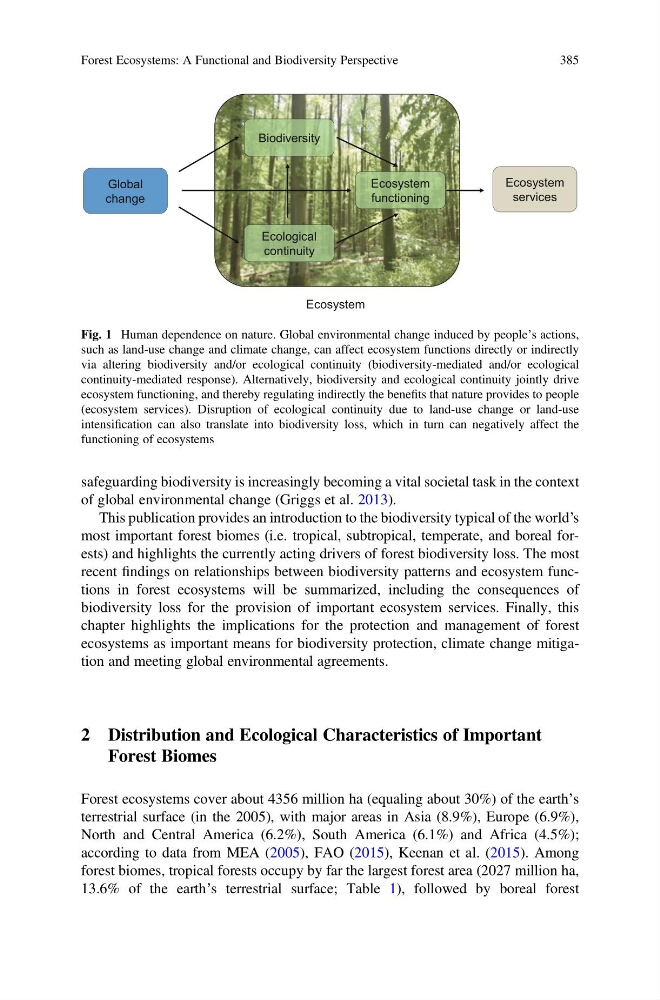
Fig. 1 Human dependence on nature. Global environmental change induced by people’s actions,
such as land-use change and climate change, can affect ecosystem functions directly or indirectly
via altering biodiversity and/or ecological continuity (biodiversity-mediated and/or ecological
continuity-mediated response). Alternatively, biodiversity and ecological continuity jointly drive
ecosystem functioning, and thereby regulating indirectly the benefits that nature provides to people
(ecosystem services). Disruption of ecological continuity due to land-use change or land-use
intensification can also translate into biodiversity loss, which in turn can negatively affect the
functioning of ecosystems
Forest Ecosystems: A Functional and Biodiversity Perspective
385
of global environmental change (Griggs et al. 2013).
This publication provides an introduction to the biodiversity typical of the world’s
most important forest biomes (i.e. tropical, subtropical, temperate, and boreal forests) and highlights the currently acting drivers of forest biodiversity loss. The most
recent findings on relationships between biodiversity patterns and ecosystem functions in forest ecosystems will be summarized, including the consequences of
biodiversity loss for the provision of important ecosystem services. Finally, this
chapter highlights the implications for the protection and management of forest
ecosystems as important means for biodiversity protection, climate change mitigation and meeting global environmental agreements.
2 Distribution and Ecological Characteristics of Important
Forest Biomes
Forest ecosystems cover about 4356 million ha (equaling about 30%) of the earth’s
terrestrial surface (in the 2005), with major areas in Asia (8.9%), Europe (6.9%),
North and Central America (6.2%), South America (6.1%) and Africa (4.5%);
according to data from MEA (2005), FAO (2015), Keenan et al. (2015). Among
forest biomes, tropical forests occupy by far the largest forest area (2027 million ha,
13.6% of the earth’s terrestrial surface; Table 1), followed by boreal forest
Biodiversity
Ecosystem
functioning
Ecological
continuity
Ecosystem
Ecosystem
services
Global
change
Fig. 1 Human dependence on nature. Global environmental change induced by people’s actions,
such as land-use change and climate change, can affect ecosystem functions directly or indirectly
via altering biodiversity and/or ecological continuity (biodiversity-mediated and/or ecological
continuity-mediated response). Alternatively, biodiversity and ecological continuity jointly drive
ecosystem functioning, and thereby regulating indirectly the benefits that nature provides to people
(ecosystem services). Disruption of ecological continuity due to land-use change or land-use
intensification can also translate into biodiversity loss, which in turn can negatively affect the
functioning of ecosystems
Forest Ecosystems: A Functional and Biodiversity Perspective
385