

risk of fire has artificially been increased by dense plantations of trees such as
eucalypt, pine or other species which are characterized as pyrophytes (fire-plants)
because they easily burn and profit from fire. Thus, a burning landscape might be
seen as natural and important event or as a disaster. The management depends much
on the way we think about the environment and organize the risk prevention.
Consequences after fire in a landscape may be
1. to invest in money and fire brigades,
2. to punish the offender,
3. to change the composition and density of trees through forest management,
4. to organize pastoralism and open the landscape,
5. to artificially increase the number of local fires and thus to reduce the flammable
biomass, litter in the landscape, and the risk of a mega-fire event.
These and other actions, for example religious rituals, might have the intention to
harmonize the relationship to God and nature or to lower the risk of a wildfire.
3 Environmental Psychology and Biology of Fear
Human evolution including the emergence of bipedalism—freeing hand and
thumb—and encephalization—increasing brain size—enabled recent human behaviour. Human behaviour on the other hand is controlled in part by emotions and
logical reasoning, and by right and wrong decisions.
Environmental psychology is a discipline focusing on psychological transactions
and conditions between physical setting and social life. Willy Hellpach (1911, 1939)
might have been the first scientist analysing the influence of weather and climate,
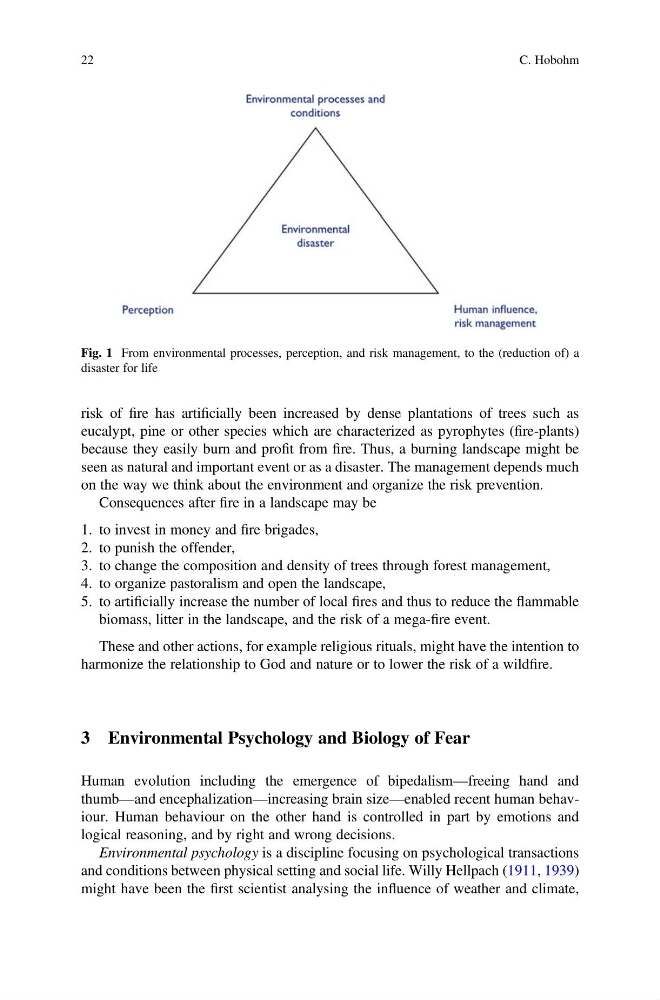
Fig. 1 From environmental processes, perception, and risk management, to the (reduction of) a
disaster for life
22
C. Hobohm
eucalypt, pine or other species which are characterized as pyrophytes (fire-plants)
because they easily burn and profit from fire. Thus, a burning landscape might be
seen as natural and important event or as a disaster. The management depends much
on the way we think about the environment and organize the risk prevention.
Consequences after fire in a landscape may be
1. to invest in money and fire brigades,
2. to punish the offender,
3. to change the composition and density of trees through forest management,
4. to organize pastoralism and open the landscape,
5. to artificially increase the number of local fires and thus to reduce the flammable
biomass, litter in the landscape, and the risk of a mega-fire event.
These and other actions, for example religious rituals, might have the intention to
harmonize the relationship to God and nature or to lower the risk of a wildfire.
3 Environmental Psychology and Biology of Fear
Human evolution including the emergence of bipedalism—freeing hand and
thumb—and encephalization—increasing brain size—enabled recent human behaviour. Human behaviour on the other hand is controlled in part by emotions and
logical reasoning, and by right and wrong decisions.
Environmental psychology is a discipline focusing on psychological transactions
and conditions between physical setting and social life. Willy Hellpach (1911, 1939)
might have been the first scientist analysing the influence of weather and climate,
Fig. 1 From environmental processes, perception, and risk management, to the (reduction of) a
disaster for life
22
C. Hobohm