

3.2 Tidal Flats
Intertidal mud flats occur in sheltered areas, where finer sediments can deposit. Each
tide new sediments are brought in or washed out, creating an environment shaped by
tidal cycles. The deep muddy sediment offers a habitat for a variety of species of
molluscs, worms, crustaceans and other invertebrates which are often extremely
abundant. Therefore, these ecosystems are important feeding grounds for fish and
especially for birds. Many millions of migratory birds, migrate via these muddy
ecosystems to forage. Large areas of mud flats are rare, but combined mud flats form
an extensive coastal habitat of almost 128,000 km
2 (Murray et al. 2019). The only
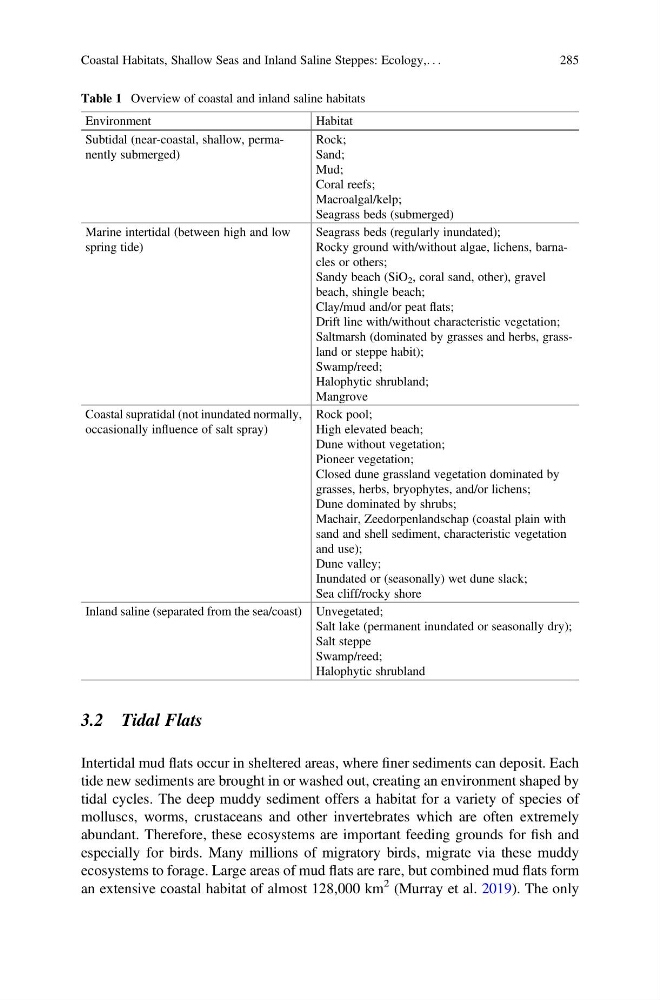
Table 1 Overview of coastal and inland saline habitats
Environment
Habitat
Subtidal (near-coastal, shallow, permanently submerged)
Rock;
Sand;
Mud;
Coral reefs;
Macroalgal/kelp;
Seagrass beds (submerged)
Marine intertidal (between high and low
spring tide)
Seagrass beds (regularly inundated);
Rocky ground with/without algae, lichens, barnacles or others;
Sandy beach (SiO 2 , coral sand, other), gravel
beach, shingle beach;
Clay/mud and/or peat flats;
Drift line with/without characteristic vegetation;
Saltmarsh (dominated by grasses and herbs, grassland or steppe habit);
Swamp/reed;
Halophytic shrubland;
Mangrove
Coastal supratidal (not inundated normally,
occasionally influence of salt spray)
Rock pool;
High elevated beach;
Dune without vegetation;
Pioneer vegetation;
Closed dune grassland vegetation dominated by
grasses, herbs, bryophytes, and/or lichens;
Dune dominated by shrubs;
Machair, Zeedorpenlandschap (coastal plain with
sand and shell sediment, characteristic vegetation
and use);
Dune valley;
Inundated or (seasonally) wet dune slack;
Sea cliff/rocky shore
Inland saline (separated from the sea/coast) Unvegetated;
Salt lake (permanent inundated or seasonally dry);
Salt steppe
Swamp/reed;
Halophytic shrubland
Coastal Habitats, Shallow Seas and Inland Saline Steppes: Ecology,. . .
285
Intertidal mud flats occur in sheltered areas, where finer sediments can deposit. Each
tide new sediments are brought in or washed out, creating an environment shaped by
tidal cycles. The deep muddy sediment offers a habitat for a variety of species of
molluscs, worms, crustaceans and other invertebrates which are often extremely
abundant. Therefore, these ecosystems are important feeding grounds for fish and
especially for birds. Many millions of migratory birds, migrate via these muddy
ecosystems to forage. Large areas of mud flats are rare, but combined mud flats form
an extensive coastal habitat of almost 128,000 km
2 (Murray et al. 2019). The only
Table 1 Overview of coastal and inland saline habitats
Environment
Habitat
Subtidal (near-coastal, shallow, permanently submerged)
Rock;
Sand;
Mud;
Coral reefs;
Macroalgal/kelp;
Seagrass beds (submerged)
Marine intertidal (between high and low
spring tide)
Seagrass beds (regularly inundated);
Rocky ground with/without algae, lichens, barnacles or others;
Sandy beach (SiO 2 , coral sand, other), gravel
beach, shingle beach;
Clay/mud and/or peat flats;
Drift line with/without characteristic vegetation;
Saltmarsh (dominated by grasses and herbs, grassland or steppe habit);
Swamp/reed;
Halophytic shrubland;
Mangrove
Coastal supratidal (not inundated normally,
occasionally influence of salt spray)
Rock pool;
High elevated beach;
Dune without vegetation;
Pioneer vegetation;
Closed dune grassland vegetation dominated by
grasses, herbs, bryophytes, and/or lichens;
Dune dominated by shrubs;
Machair, Zeedorpenlandschap (coastal plain with
sand and shell sediment, characteristic vegetation
and use);
Dune valley;
Inundated or (seasonally) wet dune slack;
Sea cliff/rocky shore
Inland saline (separated from the sea/coast) Unvegetated;
Salt lake (permanent inundated or seasonally dry);
Salt steppe
Swamp/reed;
Halophytic shrubland
Coastal Habitats, Shallow Seas and Inland Saline Steppes: Ecology,. . .
285