

vineyards, orchards, olive groves and fallow land a short time after cultivation with
typical weeds and a ruderalized herb layer are included.
Cork oak or olive plantations with a forest or woodland habit are normally
excluded. This depends on the structure and species composition of the herb or
shrub layer. Also grassy pastures with small groups of woody plants or single trees
(crown cover <10%) are excluded and included in the grassland ecosystems.
2.1.11 Urban, Artificial and Horticultural Habitats
Cities and settlements of humans are composed by buildings, roads, ruderalized
roadsides, industrial areas, railway stations and railways, parks and gardens, ruderal
ecosystems beside walls, waste places, high concentrations of moving cars, people,
dogs, cats, and underground constructions that have their own species compositions.
The diversity of ecological conditions and thus, species diversity of certain groups of
organisms is often much higher in cities than in any other group of ecosystems or
rural areas in the surrounding.
2.2 Databases and Statistics
We used five databases to assess the relationship between biogeography, habitat
type, threats and threatened species (Table 1): IUCN Red List of Threatened Species
(version 2018, 2019a, b, c), European Red List of Habitats (Janssen et al. 2016),
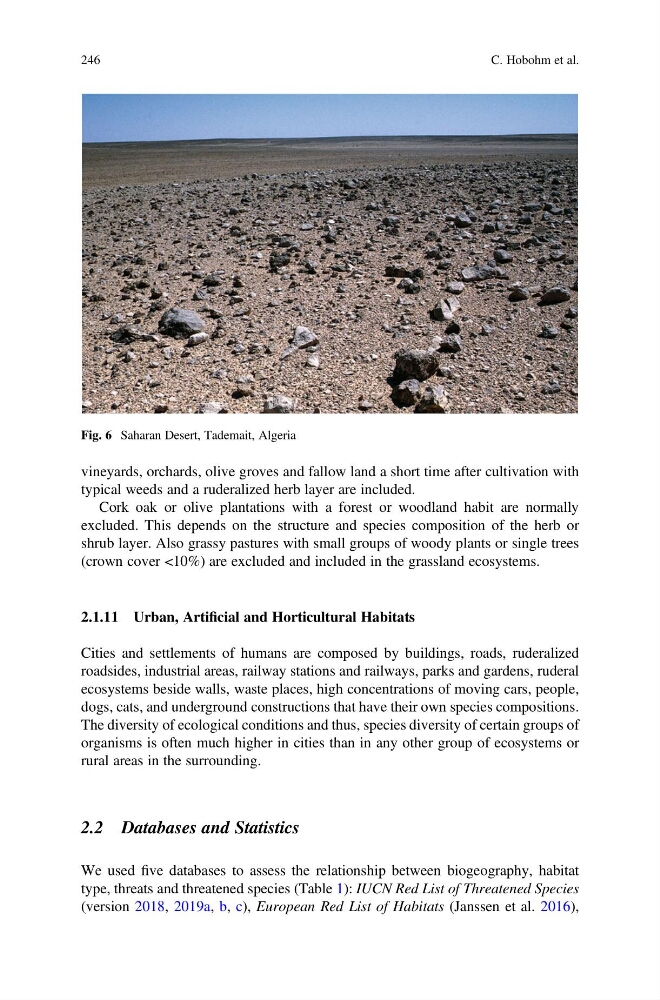
Fig. 6 Saharan Desert, Tademait, Algeria
246
C. Hobohm et al.
typical weeds and a ruderalized herb layer are included.
Cork oak or olive plantations with a forest or woodland habit are normally
excluded. This depends on the structure and species composition of the herb or
shrub layer. Also grassy pastures with small groups of woody plants or single trees
(crown cover <10%) are excluded and included in the grassland ecosystems.
2.1.11 Urban, Artificial and Horticultural Habitats
Cities and settlements of humans are composed by buildings, roads, ruderalized
roadsides, industrial areas, railway stations and railways, parks and gardens, ruderal
ecosystems beside walls, waste places, high concentrations of moving cars, people,
dogs, cats, and underground constructions that have their own species compositions.
The diversity of ecological conditions and thus, species diversity of certain groups of
organisms is often much higher in cities than in any other group of ecosystems or
rural areas in the surrounding.
2.2 Databases and Statistics
We used five databases to assess the relationship between biogeography, habitat
type, threats and threatened species (Table 1): IUCN Red List of Threatened Species
(version 2018, 2019a, b, c), European Red List of Habitats (Janssen et al. 2016),
Fig. 6 Saharan Desert, Tademait, Algeria
246
C. Hobohm et al.