

2.1.3 Coastal and Saline Habitats
Coastal habitat types include intertidal and supratidal habitats, such as seagrass beds
(p.p.), saltmarshes, coastal reeds, coastal and maritime sands (Fig. 2), beaches,
dunes, coastal dune valleys, coastal rocks and cliffs, maritime heath, unvegetated
saline soil, and inland salt steppe. We here include inland salt steppe in this group of
habitats because these often harbour very similar compositions of species in comparison with the coastal saltmarsh. And we exclude forest on coastal dunes. Coastal
dunes covered by forest are in general more related to inland forest than to sparsely
vegetated, grassy or shrubby coastal dunes.
Mangroves and saltmarshes dominated by scrub vegetation are included because
they are almost completely different from other scrub or forest types which are
located more inland.
For distinction of coastal and inland rocks and cliffs it is necessary to analyse the
species composition. Many of the typical coastal communities do not show any
direct connection to saltwater or salt spray. In this case the humidity and marine
buffer of temperature extremes might have an additional influence on the species
composition.
2.1.4 Freshwaters Habitats
Standing and running waters such as lakes (Fig. 3) and rivers, including ponds,
minerogene springs, wet streamsides, river-banks, margins of pools, seasonally
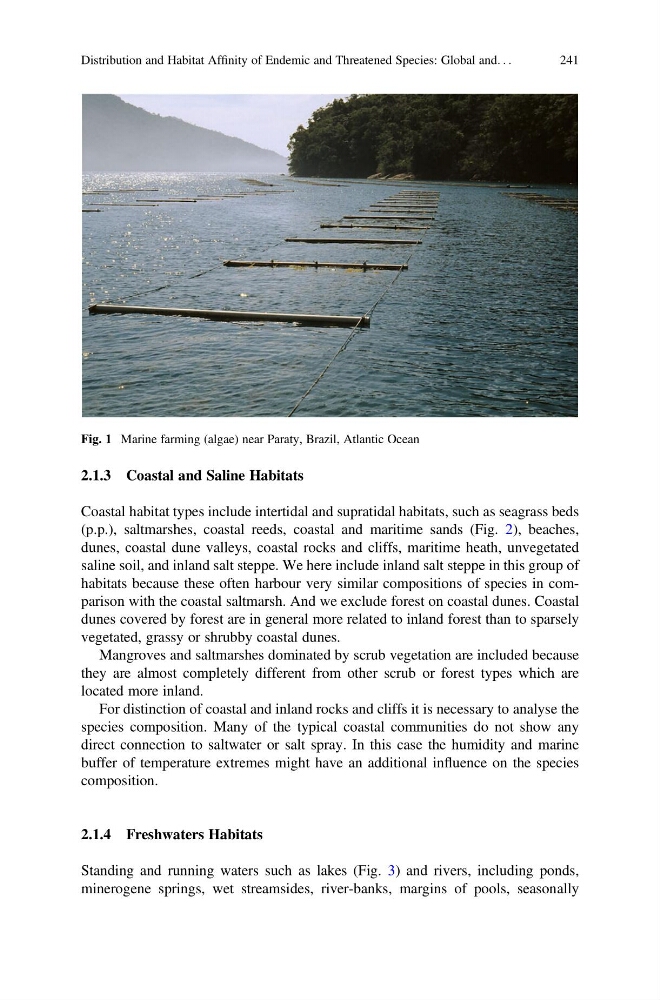
Fig. 1 Marine farming (algae) near Paraty, Brazil, Atlantic Ocean
Distribution and Habitat Affinity of Endemic and Threatened Species: Global and. . .
241
Coastal habitat types include intertidal and supratidal habitats, such as seagrass beds
(p.p.), saltmarshes, coastal reeds, coastal and maritime sands (Fig. 2), beaches,
dunes, coastal dune valleys, coastal rocks and cliffs, maritime heath, unvegetated
saline soil, and inland salt steppe. We here include inland salt steppe in this group of
habitats because these often harbour very similar compositions of species in comparison with the coastal saltmarsh. And we exclude forest on coastal dunes. Coastal
dunes covered by forest are in general more related to inland forest than to sparsely
vegetated, grassy or shrubby coastal dunes.
Mangroves and saltmarshes dominated by scrub vegetation are included because
they are almost completely different from other scrub or forest types which are
located more inland.
For distinction of coastal and inland rocks and cliffs it is necessary to analyse the
species composition. Many of the typical coastal communities do not show any
direct connection to saltwater or salt spray. In this case the humidity and marine
buffer of temperature extremes might have an additional influence on the species
composition.
2.1.4 Freshwaters Habitats
Standing and running waters such as lakes (Fig. 3) and rivers, including ponds,
minerogene springs, wet streamsides, river-banks, margins of pools, seasonally
Fig. 1 Marine farming (algae) near Paraty, Brazil, Atlantic Ocean
Distribution and Habitat Affinity of Endemic and Threatened Species: Global and. . .
241