

234
T. Torimoto and T. Kameyama
increase in the photon energy. Such behavior was not observed with bulk semiconductors. An action spectrum of the photocurrent with a ZAITe QD monoparticle film
revealed that the onset photon energy of photocurrent generation agreed with that
of the absorption spectrum of QDs used, but the spectrum outline was considerably
deviated from that of the absorption spectrum, especially at photon energies larger
than ca. 2.5 eV, where the incident photon-to-current efficiencies (IPCE) were much
larger than those obtained with irradiation of lower-energy photons.
One of the possible mechanisms for the observed nonlinear photoresponses
seemed to be the MEG in a ZAITe QD. To explore this possibility, we measured
ultrafast carrier dynamics in ZAITe QDs. It was found that the absorption of a single
3.1-eV photon did not produce a biexciton in a ZAITe QD, though the ratio of irradiated photon energy to the E g of QDs, hν/E g , was more than 2.4. Thus, we could
conclude that the MEG did not occur in a ZAITe QD and thus was not the origin of
nonlinear photoresponses.
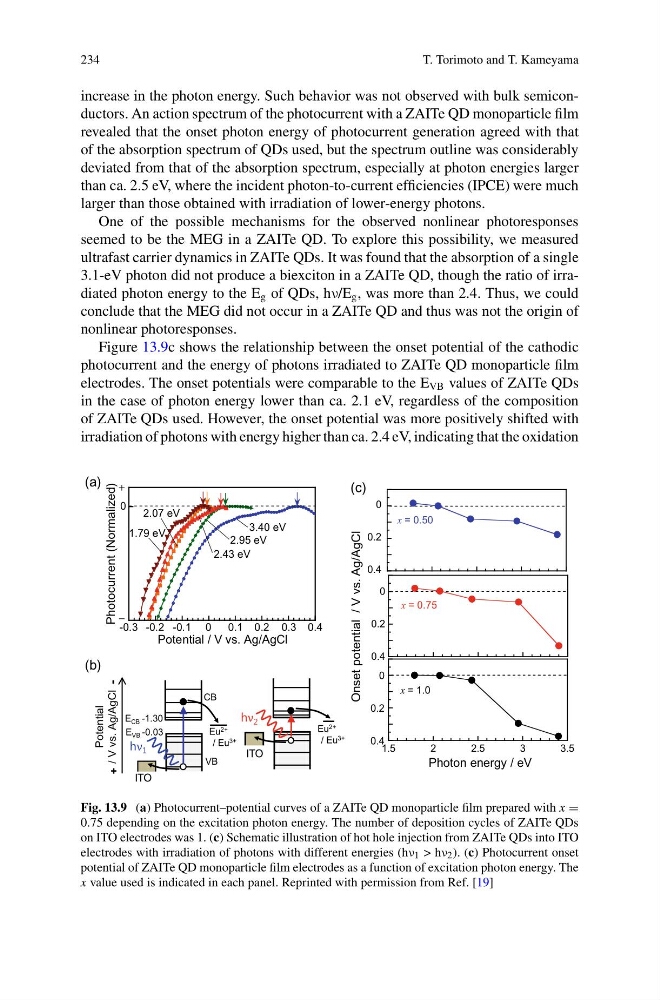
Figure 13.9c shows the relationship between the onset potential of the cathodic
photocurrent and the energy of photons irradiated to ZAITe QD monoparticle film
electrodes. The onset potentials were comparable to the E VB values of ZAITe QDs
in the case of photon energy lower than ca. 2.1 eV, regardless of the composition
of ZAITe QDs used. However, the onset potential was more positively shifted with
irradiation of photons with energy higher than ca. 2.4 eV, indicating that the oxidation
(a)
0
0.2
0.4
x = 0.50
0
0.2
0.4
x = 0.75
0
0.2
0.4
1.5
2
2.5
3
3.5
x = 1.0
Photon energy / eV
Onset potential / V vs. Ag/AgCl
(c)
-0.3 -0.2 -0.1 0
0.1 0.2 0.3 0.4
0
Potential / V vs. Ag/AgCl
Photocurrent (Normalized)
3.40 eV
2.95 eV
2.43 eV
2.07 eV
1.79 eV
−
+
(b)
44
ITO
Eu 2+
/ Eu 3+
hν 1
Potential
/ V vs. Ag/AgCl
ITO
hν 2
VB
CB
+
-
Eu 2+
/ Eu 3+
E CB -1.30
E VB -0.03
Fig. 13.9 (a) Photocurrent–potential curves of a ZAITe QD monoparticle film prepared with x =
0.75 depending on the excitation photon energy. The number of deposition cycles of ZAITe QDs
on ITO electrodes was 1. (c) Schematic illustration of hot hole injection from ZAITe QDs into ITO
electrodes with irradiation of photons with different energies (hν 1 > hν 2 ). (c) Photocurrent onset
potential of ZAITe QD monoparticle film electrodes as a function of excitation photon energy. The
x value used is indicated in each panel. Reprinted with permission from Ref. [19]
T. Torimoto and T. Kameyama
increase in the photon energy. Such behavior was not observed with bulk semiconductors. An action spectrum of the photocurrent with a ZAITe QD monoparticle film
revealed that the onset photon energy of photocurrent generation agreed with that
of the absorption spectrum of QDs used, but the spectrum outline was considerably
deviated from that of the absorption spectrum, especially at photon energies larger
than ca. 2.5 eV, where the incident photon-to-current efficiencies (IPCE) were much
larger than those obtained with irradiation of lower-energy photons.
One of the possible mechanisms for the observed nonlinear photoresponses
seemed to be the MEG in a ZAITe QD. To explore this possibility, we measured
ultrafast carrier dynamics in ZAITe QDs. It was found that the absorption of a single
3.1-eV photon did not produce a biexciton in a ZAITe QD, though the ratio of irradiated photon energy to the E g of QDs, hν/E g , was more than 2.4. Thus, we could
conclude that the MEG did not occur in a ZAITe QD and thus was not the origin of
nonlinear photoresponses.
Figure 13.9c shows the relationship between the onset potential of the cathodic
photocurrent and the energy of photons irradiated to ZAITe QD monoparticle film
electrodes. The onset potentials were comparable to the E VB values of ZAITe QDs
in the case of photon energy lower than ca. 2.1 eV, regardless of the composition
of ZAITe QDs used. However, the onset potential was more positively shifted with
irradiation of photons with energy higher than ca. 2.4 eV, indicating that the oxidation
(a)
0
0.2
0.4
x = 0.50
0
0.2
0.4
x = 0.75
0
0.2
0.4
1.5
2
2.5
3
3.5
x = 1.0
Photon energy / eV
Onset potential / V vs. Ag/AgCl
(c)
-0.3 -0.2 -0.1 0
0.1 0.2 0.3 0.4
0
Potential / V vs. Ag/AgCl
Photocurrent (Normalized)
3.40 eV
2.95 eV
2.43 eV
2.07 eV
1.79 eV
−
+
(b)
44
ITO
Eu 2+
/ Eu 3+
hν 1
Potential
/ V vs. Ag/AgCl
ITO
hν 2
VB
CB
+
-
Eu 2+
/ Eu 3+
E CB -1.30
E VB -0.03
Fig. 13.9 (a) Photocurrent–potential curves of a ZAITe QD monoparticle film prepared with x =
0.75 depending on the excitation photon energy. The number of deposition cycles of ZAITe QDs
on ITO electrodes was 1. (c) Schematic illustration of hot hole injection from ZAITe QDs into ITO
electrodes with irradiation of photons with different energies (hν 1 > hν 2 ). (c) Photocurrent onset
potential of ZAITe QD monoparticle film electrodes as a function of excitation photon energy. The
x value used is indicated in each panel. Reprinted with permission from Ref. [19]