

68
3 Experimental Techniques
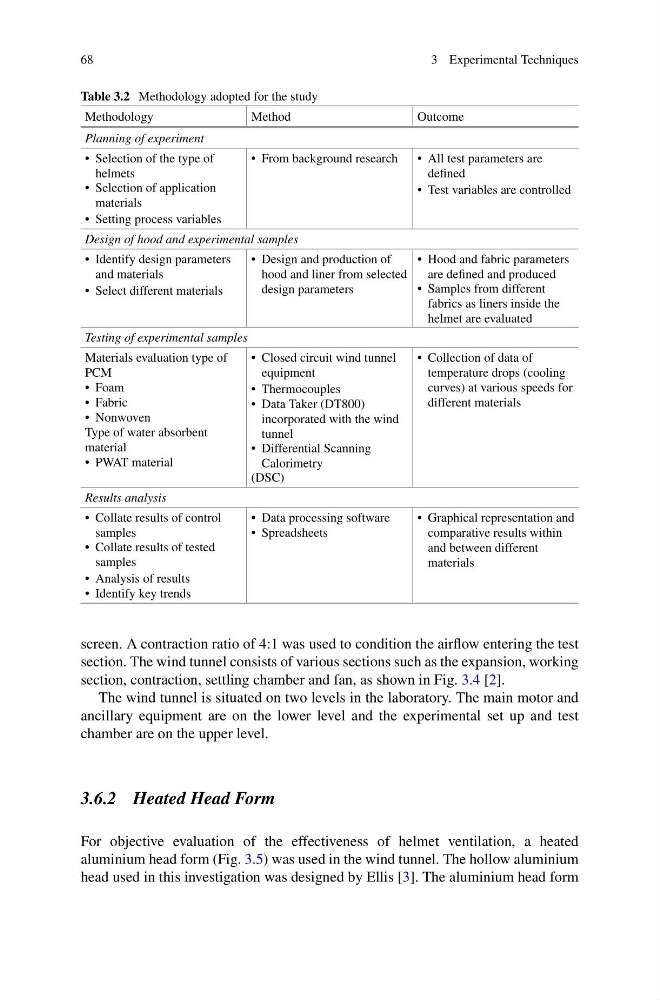
Table 3.2 Methodology adopted for the study
Methodology
Method
Outcome
Planning of experiment
• Selection of the type of
helmets
• Selection of application
materials
• Setting process variables
• From background research
• All test parameters are
defined
• Test variables are controlled
Design of hood and experimental samples
• Identify design parameters
and materials
• Select different materials
• Design and production of
hood and liner from selected
design parameters
• Hood and fabric parameters
are defined and produced
• Samples from different
fabrics as liners inside the
helmet are evaluated
Testing of experimental samples
Materials evaluation type of
PCM
• Foam
• Fabric
• Nonwoven
Type of water absorbent
material
• PWAT material
• Closed circuit wind tunnel
equipment
• Thermocouples
• Data Taker (DT800)
incorporated with the wind
tunnel
• Differential Scanning
Calorimetry
(DSC)
• Collection of data of
temperature drops (cooling
curves) at various speeds for
different materials
Results analysis
• Collate results of control
samples
• Collate results of tested
samples
• Analysis of results
• Identify key trends
• Data processing software
• Spreadsheets
• Graphical representation and
comparative results within
and between different
materials
screen. A contraction ratio of 4:1 was used to condition the airflow entering the test
section. The wind tunnel consists of various sections such as the expansion, working
section, contraction, settling chamber and fan, as shown in Fig. 3.4 [2].
The wind tunnel is situated on two levels in the laboratory. The main motor and
ancillary equipment are on the lower level and the experimental set up and test
chamber are on the upper level.
3.6.2 Heated Head Form
For objective evaluation of the effectiveness of helmet ventilation, a heated
aluminium head form (Fig. 3.5) was used in the wind tunnel. The hollow aluminium
head used in this investigation was designed by Ellis [3]. The aluminium head form
3 Experimental Techniques
Table 3.2 Methodology adopted for the study
Methodology
Method
Outcome
Planning of experiment
• Selection of the type of
helmets
• Selection of application
materials
• Setting process variables
• From background research
• All test parameters are
defined
• Test variables are controlled
Design of hood and experimental samples
• Identify design parameters
and materials
• Select different materials
• Design and production of
hood and liner from selected
design parameters
• Hood and fabric parameters
are defined and produced
• Samples from different
fabrics as liners inside the
helmet are evaluated
Testing of experimental samples
Materials evaluation type of
PCM
• Foam
• Fabric
• Nonwoven
Type of water absorbent
material
• PWAT material
• Closed circuit wind tunnel
equipment
• Thermocouples
• Data Taker (DT800)
incorporated with the wind
tunnel
• Differential Scanning
Calorimetry
(DSC)
• Collection of data of
temperature drops (cooling
curves) at various speeds for
different materials
Results analysis
• Collate results of control
samples
• Collate results of tested
samples
• Analysis of results
• Identify key trends
• Data processing software
• Spreadsheets
• Graphical representation and
comparative results within
and between different
materials
screen. A contraction ratio of 4:1 was used to condition the airflow entering the test
section. The wind tunnel consists of various sections such as the expansion, working
section, contraction, settling chamber and fan, as shown in Fig. 3.4 [2].
The wind tunnel is situated on two levels in the laboratory. The main motor and
ancillary equipment are on the lower level and the experimental set up and test
chamber are on the upper level.
3.6.2 Heated Head Form
For objective evaluation of the effectiveness of helmet ventilation, a heated
aluminium head form (Fig. 3.5) was used in the wind tunnel. The hollow aluminium
head used in this investigation was designed by Ellis [3]. The aluminium head form