

66
3 Experimental Techniques
(a)
(b)
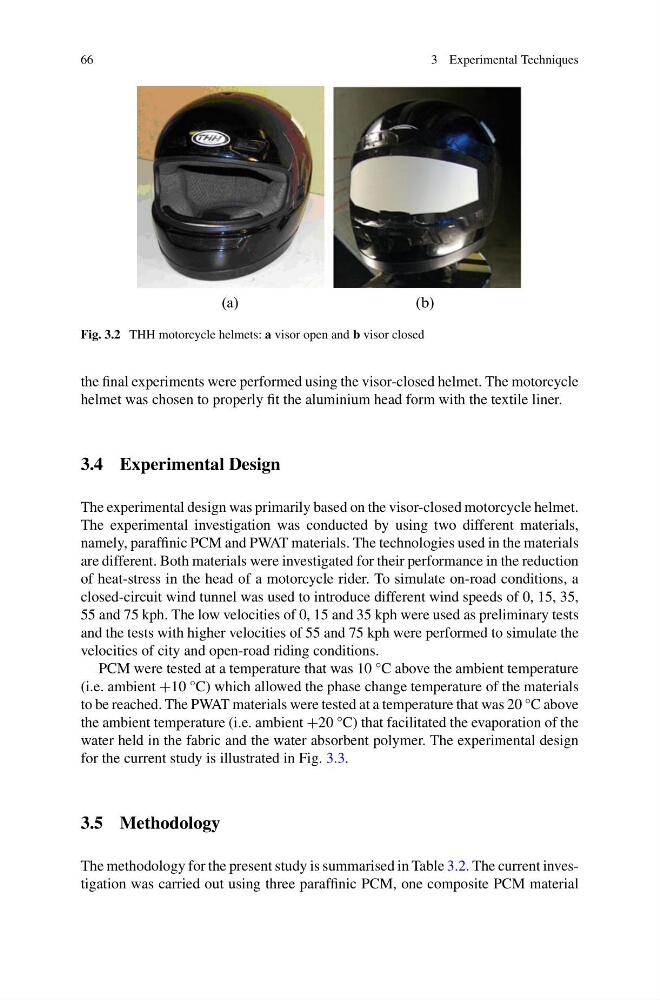
Fig. 3.2 THH motorcycle helmets: a visor open and b visor closed
the final experiments were performed using the visor-closed helmet. The motorcycle
helmet was chosen to properly fit the aluminium head form with the textile liner.
3.4 Experimental Design
The experimental design was primarily based on the visor-closed motorcycle helmet.
The experimental investigation was conducted by using two different materials,
namely, paraffinic PCM and PWAT materials. The technologies used in the materials
are different. Both materials were investigated for their performance in the reduction
of heat-stress in the head of a motorcycle rider. To simulate on-road conditions, a
closed-circuit wind tunnel was used to introduce different wind speeds of 0, 15, 35,
55 and 75 kph. The low velocities of 0, 15 and 35 kph were used as preliminary tests
and the tests with higher velocities of 55 and 75 kph were performed to simulate the
velocities of city and open-road riding conditions.
PCM were tested at a temperature that was 10 °C above the ambient temperature
(i.e. ambient +10 °C) which allowed the phase change temperature of the materials
to be reached. The PWAT materials were tested at a temperature that was 20 °C above
the ambient temperature (i.e. ambient +20 °C) that facilitated the evaporation of the
water held in the fabric and the water absorbent polymer. The experimental design
for the current study is illustrated in Fig. 3.3.
3.5 Methodology
The methodology for the present study is summarised in Table 3.2. The current investigation was carried out using three paraffinic PCM, one composite PCM material
3 Experimental Techniques
(a)
(b)
Fig. 3.2 THH motorcycle helmets: a visor open and b visor closed
the final experiments were performed using the visor-closed helmet. The motorcycle
helmet was chosen to properly fit the aluminium head form with the textile liner.
3.4 Experimental Design
The experimental design was primarily based on the visor-closed motorcycle helmet.
The experimental investigation was conducted by using two different materials,
namely, paraffinic PCM and PWAT materials. The technologies used in the materials
are different. Both materials were investigated for their performance in the reduction
of heat-stress in the head of a motorcycle rider. To simulate on-road conditions, a
closed-circuit wind tunnel was used to introduce different wind speeds of 0, 15, 35,
55 and 75 kph. The low velocities of 0, 15 and 35 kph were used as preliminary tests
and the tests with higher velocities of 55 and 75 kph were performed to simulate the
velocities of city and open-road riding conditions.
PCM were tested at a temperature that was 10 °C above the ambient temperature
(i.e. ambient +10 °C) which allowed the phase change temperature of the materials
to be reached. The PWAT materials were tested at a temperature that was 20 °C above
the ambient temperature (i.e. ambient +20 °C) that facilitated the evaporation of the
water held in the fabric and the water absorbent polymer. The experimental design
for the current study is illustrated in Fig. 3.3.
3.5 Methodology
The methodology for the present study is summarised in Table 3.2. The current investigation was carried out using three paraffinic PCM, one composite PCM material