

2.13 Phase Change Materials
31
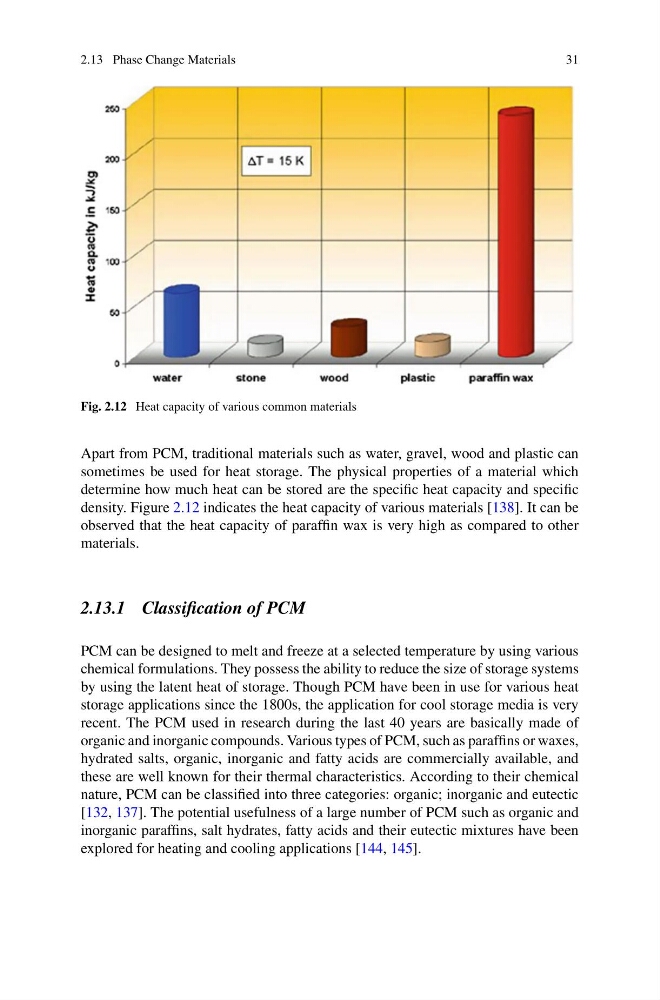
Fig. 2.12 Heat capacity of various common materials
Apart from PCM, traditional materials such as water, gravel, wood and plastic can
sometimes be used for heat storage. The physical properties of a material which
determine how much heat can be stored are the specific heat capacity and specific
density. Figure 2.12 indicates the heat capacity of various materials [138]. It can be
observed that the heat capacity of paraffin wax is very high as compared to other
materials.
2.13.1 Classification of PCM
PCM can be designed to melt and freeze at a selected temperature by using various
chemical formulations. They possess the ability to reduce the size of storage systems
by using the latent heat of storage. Though PCM have been in use for various heat
storage applications since the 1800s, the application for cool storage media is very
recent. The PCM used in research during the last 40 years are basically made of
organic and inorganic compounds. Various types of PCM, such as paraffins or waxes,
hydrated salts, organic, inorganic and fatty acids are commercially available, and
these are well known for their thermal characteristics. According to their chemical
nature, PCM can be classified into three categories: organic; inorganic and eutectic
[132, 137]. The potential usefulness of a large number of PCM such as organic and
inorganic paraffins, salt hydrates, fatty acids and their eutectic mixtures have been
explored for heating and cooling applications [144, 145].
31
Fig. 2.12 Heat capacity of various common materials
Apart from PCM, traditional materials such as water, gravel, wood and plastic can
sometimes be used for heat storage. The physical properties of a material which
determine how much heat can be stored are the specific heat capacity and specific
density. Figure 2.12 indicates the heat capacity of various materials [138]. It can be
observed that the heat capacity of paraffin wax is very high as compared to other
materials.
2.13.1 Classification of PCM
PCM can be designed to melt and freeze at a selected temperature by using various
chemical formulations. They possess the ability to reduce the size of storage systems
by using the latent heat of storage. Though PCM have been in use for various heat
storage applications since the 1800s, the application for cool storage media is very
recent. The PCM used in research during the last 40 years are basically made of
organic and inorganic compounds. Various types of PCM, such as paraffins or waxes,
hydrated salts, organic, inorganic and fatty acids are commercially available, and
these are well known for their thermal characteristics. According to their chemical
nature, PCM can be classified into three categories: organic; inorganic and eutectic
[132, 137]. The potential usefulness of a large number of PCM such as organic and
inorganic paraffins, salt hydrates, fatty acids and their eutectic mixtures have been
explored for heating and cooling applications [144, 145].