

Grasping the law of hydrogen storage process, following the safety technical
specifications of hydrogen storage and strictly following the technical standards of
hydrogen energy utilization are the keys to the safe utilization of hydrogen energy.
At present, countries are competing to develop fuel cell vehicles with ultrahigh
pressure hydrogen storage vessels and carry out road running-in tests around the
world, but the evaluation methods of vehicle safety and environmental performance
have not yet been unified in the manufacturing industry, domestic and international.
The formulation of relevant regulations and norms is an important issue to be
solved urgently by cooperation of all countries. Japan has formulated fuel cell
vehicle certification and safety standards for fuel cell vehicles since 2003, including
safety standards for compressed hydrogen containers for vehicles. The Japan
Automobile Industry Association organizes the joint efforts of various domestic
automobile manufacturers to formulate various safety standards and technical
specifications, and plans to obtain the priority of participating in the formulation of
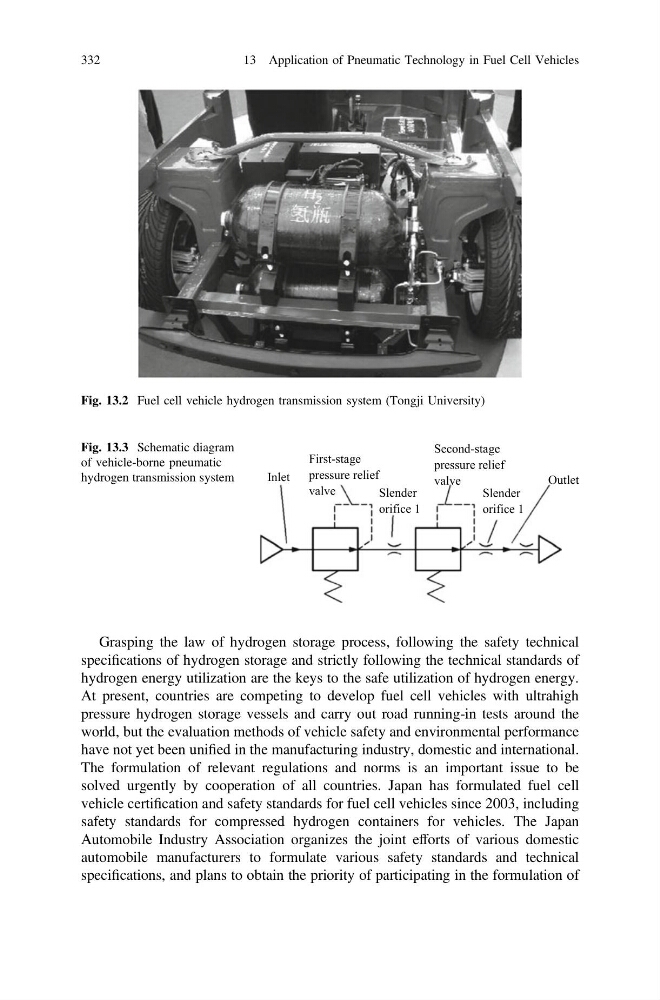
Fig. 13.2 Fuel cell vehicle hydrogen transmission system (Tongji University)
Inlet
First-stage
pressure relief
valve
Second-stage
pressure relief
valve
Slender
orifice 1
Outlet
Slender
orifice 1
Fig. 13.3 Schematic diagram
of vehicle-borne pneumatic
hydrogen transmission system
332
13 Application of Pneumatic Technology in Fuel Cell Vehicles
specifications of hydrogen storage and strictly following the technical standards of
hydrogen energy utilization are the keys to the safe utilization of hydrogen energy.
At present, countries are competing to develop fuel cell vehicles with ultrahigh
pressure hydrogen storage vessels and carry out road running-in tests around the
world, but the evaluation methods of vehicle safety and environmental performance
have not yet been unified in the manufacturing industry, domestic and international.
The formulation of relevant regulations and norms is an important issue to be
solved urgently by cooperation of all countries. Japan has formulated fuel cell
vehicle certification and safety standards for fuel cell vehicles since 2003, including
safety standards for compressed hydrogen containers for vehicles. The Japan
Automobile Industry Association organizes the joint efforts of various domestic
automobile manufacturers to formulate various safety standards and technical
specifications, and plans to obtain the priority of participating in the formulation of
Fig. 13.2 Fuel cell vehicle hydrogen transmission system (Tongji University)
Inlet
First-stage
pressure relief
valve
Second-stage
pressure relief
valve
Slender
orifice 1
Outlet
Slender
orifice 1
Fig. 13.3 Schematic diagram
of vehicle-borne pneumatic
hydrogen transmission system
332
13 Application of Pneumatic Technology in Fuel Cell Vehicles