

The MDR and XDR-TB treatment includes six months of daily injections having
serious cardiotoxicity and ototoxicity issues. Another challenge in TB management is
the cyclic reinfection by the persistent tubercle bacillus present in the host macrophages. The first-line and second-line TB drug treatment generally kills growing
bacteria. However, this may not be sufficient for dormant Mtb, which is metabolically
silent and persistent within the host for a longer period of time. Thus, TB treatment is
very difficult due to the nature of bacilli to withstand the host immune attack and
chemotherapy, as well as the ability of the dormant Mtb to survive for decades.
Development of novel and potent drugs for better TB treatments, especially in
the case of MDR and XDR-TB infection, should be taken up in war-footing manner
in order to have stable, relapse-free, and effective sterilization of the diverse populations of Mtb infection [5]. With the advent of the modern technology, the drug
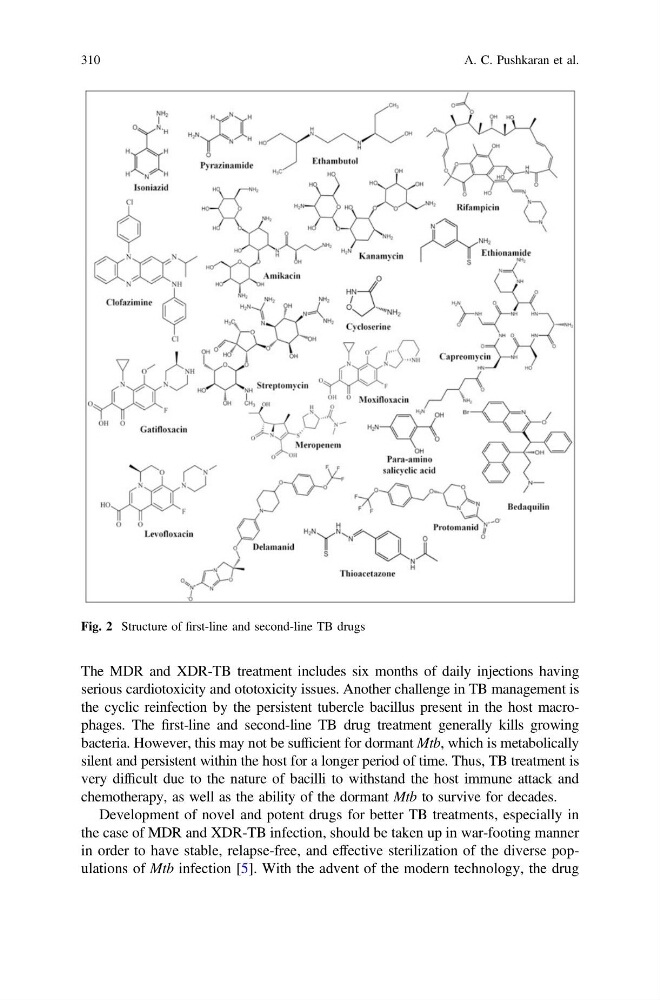
Fig. 2 Structure of first-line and second-line TB drugs
310
A. C. Pushkaran et al.
serious cardiotoxicity and ototoxicity issues. Another challenge in TB management is
the cyclic reinfection by the persistent tubercle bacillus present in the host macrophages. The first-line and second-line TB drug treatment generally kills growing
bacteria. However, this may not be sufficient for dormant Mtb, which is metabolically
silent and persistent within the host for a longer period of time. Thus, TB treatment is
very difficult due to the nature of bacilli to withstand the host immune attack and
chemotherapy, as well as the ability of the dormant Mtb to survive for decades.
Development of novel and potent drugs for better TB treatments, especially in
the case of MDR and XDR-TB infection, should be taken up in war-footing manner
in order to have stable, relapse-free, and effective sterilization of the diverse populations of Mtb infection [5]. With the advent of the modern technology, the drug
Fig. 2 Structure of first-line and second-line TB drugs
310
A. C. Pushkaran et al.