

16 Molecular Modeling Method Applications …
319
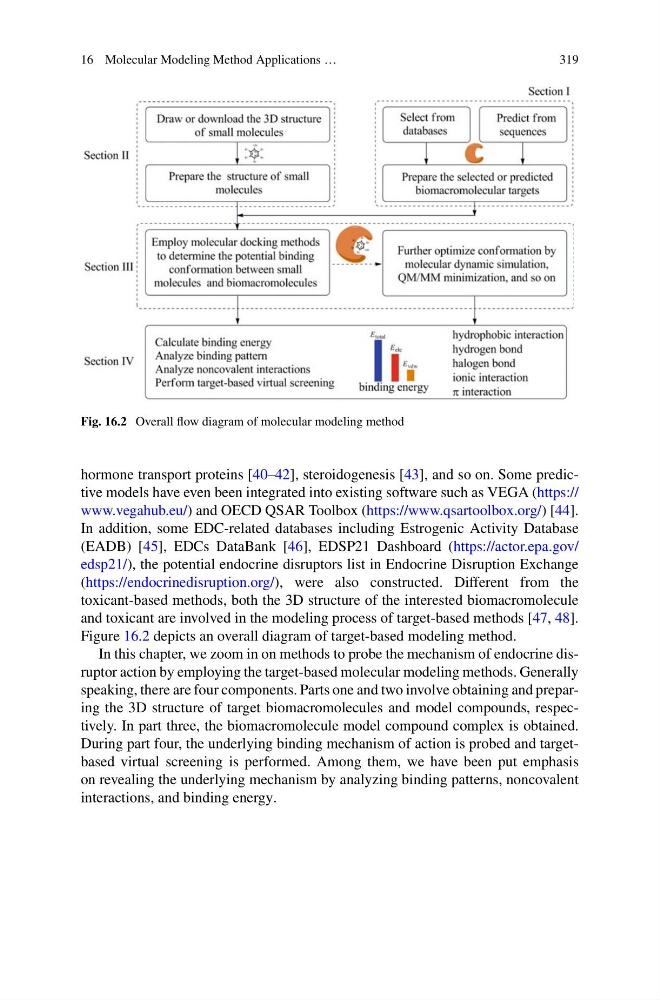
Fig. 16.2 Overall flow diagram of molecular modeling method
hormone transport proteins [40–42], steroidogenesis [43], and so on. Some predictive models have even been integrated into existing software such as VEGA (https://
www.vegahub.eu/) and OECD QSAR Toolbox (https://www.qsartoolbox.org/) [44].
In addition, some EDC-related databases including Estrogenic Activity Database
(EADB) [45], EDCs DataBank [46], EDSP21 Dashboard (https://actor.epa.gov/
edsp21/), the potential endocrine disruptors list in Endocrine Disruption Exchange
(https://endocrinedisruption.org/), were also constructed. Different from the
toxicant-based methods, both the 3D structure of the interested biomacromolecule
and toxicant are involved in the modeling process of target-based methods [47, 48].
Figure 16.2 depicts an overall diagram of target-based modeling method.
In this chapter, we zoom in on methods to probe the mechanism of endocrine disruptor action by employing the target-based molecular modeling methods. Generally
speaking, there are four components. Parts one and two involve obtaining and preparing the 3D structure of target biomacromolecules and model compounds, respectively. In part three, the biomacromolecule model compound complex is obtained.
During part four, the underlying binding mechanism of action is probed and targetbased virtual screening is performed. Among them, we have been put emphasis
on revealing the underlying mechanism by analyzing binding patterns, noncovalent
interactions, and binding energy.
319
Fig. 16.2 Overall flow diagram of molecular modeling method
hormone transport proteins [40–42], steroidogenesis [43], and so on. Some predictive models have even been integrated into existing software such as VEGA (https://
www.vegahub.eu/) and OECD QSAR Toolbox (https://www.qsartoolbox.org/) [44].
In addition, some EDC-related databases including Estrogenic Activity Database
(EADB) [45], EDCs DataBank [46], EDSP21 Dashboard (https://actor.epa.gov/
edsp21/), the potential endocrine disruptors list in Endocrine Disruption Exchange
(https://endocrinedisruption.org/), were also constructed. Different from the
toxicant-based methods, both the 3D structure of the interested biomacromolecule
and toxicant are involved in the modeling process of target-based methods [47, 48].
Figure 16.2 depicts an overall diagram of target-based modeling method.
In this chapter, we zoom in on methods to probe the mechanism of endocrine disruptor action by employing the target-based molecular modeling methods. Generally
speaking, there are four components. Parts one and two involve obtaining and preparing the 3D structure of target biomacromolecules and model compounds, respectively. In part three, the biomacromolecule model compound complex is obtained.
During part four, the underlying binding mechanism of action is probed and targetbased virtual screening is performed. Among them, we have been put emphasis
on revealing the underlying mechanism by analyzing binding patterns, noncovalent
interactions, and binding energy.