

20 Multi-Objective Optimization of Automotive Front Rail …
259
Table 20.4 Optimization results
Variable
Baseline model
Optimized model
t 1
1.1
0.99
t 2
0.85
0.86
t 3
0.95
0.98
t 4
0.75
0.82
t 5
0.65
0.7
/
Predicted
Real
Error
a max
16.79
11.37
11.21
1.43%
m
13.86
12.71
12.82
0.86%
D 1
219.47
217.3
215.24
0.96%
D 2
188.92
112.97
113.55
0.51%
D 3
1106.43
979.81
972.16
0.79%
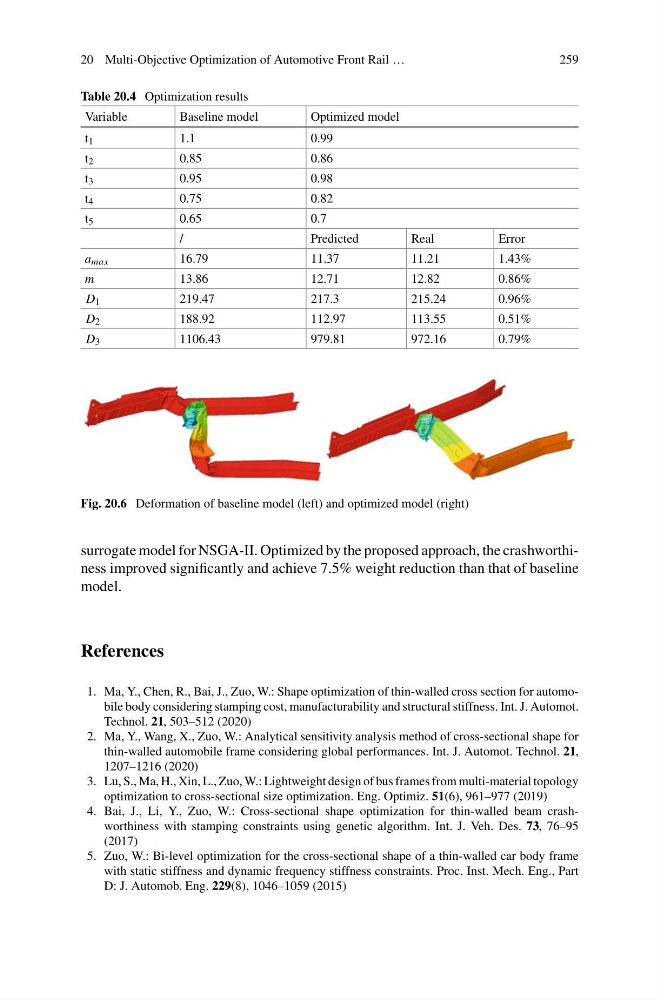
Fig. 20.6 Deformation of baseline model (left) and optimized model (right)
surrogate model for NSGA-II. Optimized by the proposed approach, the crashworthiness improved significantly and achieve 7.5% weight reduction than that of baseline
model.
References
1. Ma, Y., Chen, R., Bai, J., Zuo, W.: Shape optimization of thin-walled cross section for automobile body considering stamping cost, manufacturability and structural stiffness. Int. J. Automot.
Technol. 21, 503–512 (2020)
2. Ma, Y., Wang, X., Zuo, W.: Analytical sensitivity analysis method of cross-sectional shape for
thin-walled automobile frame considering global performances. Int. J. Automot. Technol. 21,
1207–1216 (2020)
3. Lu, S., Ma, H., Xin, L., Zuo, W.: Lightweight design of bus frames from multi-material topology
optimization to cross-sectional size optimization. Eng. Optimiz. 51(6), 961–977 (2019)
4. Bai, J., Li, Y., Zuo, W.: Cross-sectional shape optimization for thin-walled beam crashworthiness with stamping constraints using genetic algorithm. Int. J. Veh. Des. 73, 76–95
(2017)
5. Zuo, W.: Bi-level optimization for the cross-sectional shape of a thin-walled car body frame
with static stiffness and dynamic frequency stiffness constraints. Proc. Inst. Mech. Eng., Part
D: J. Automob. Eng. 229(8), 1046–1059 (2015)
259
Table 20.4 Optimization results
Variable
Baseline model
Optimized model
t 1
1.1
0.99
t 2
0.85
0.86
t 3
0.95
0.98
t 4
0.75
0.82
t 5
0.65
0.7
/
Predicted
Real
Error
a max
16.79
11.37
11.21
1.43%
m
13.86
12.71
12.82
0.86%
D 1
219.47
217.3
215.24
0.96%
D 2
188.92
112.97
113.55
0.51%
D 3
1106.43
979.81
972.16
0.79%
Fig. 20.6 Deformation of baseline model (left) and optimized model (right)
surrogate model for NSGA-II. Optimized by the proposed approach, the crashworthiness improved significantly and achieve 7.5% weight reduction than that of baseline
model.
References
1. Ma, Y., Chen, R., Bai, J., Zuo, W.: Shape optimization of thin-walled cross section for automobile body considering stamping cost, manufacturability and structural stiffness. Int. J. Automot.
Technol. 21, 503–512 (2020)
2. Ma, Y., Wang, X., Zuo, W.: Analytical sensitivity analysis method of cross-sectional shape for
thin-walled automobile frame considering global performances. Int. J. Automot. Technol. 21,
1207–1216 (2020)
3. Lu, S., Ma, H., Xin, L., Zuo, W.: Lightweight design of bus frames from multi-material topology
optimization to cross-sectional size optimization. Eng. Optimiz. 51(6), 961–977 (2019)
4. Bai, J., Li, Y., Zuo, W.: Cross-sectional shape optimization for thin-walled beam crashworthiness with stamping constraints using genetic algorithm. Int. J. Veh. Des. 73, 76–95
(2017)
5. Zuo, W.: Bi-level optimization for the cross-sectional shape of a thin-walled car body frame
with static stiffness and dynamic frequency stiffness constraints. Proc. Inst. Mech. Eng., Part
D: J. Automob. Eng. 229(8), 1046–1059 (2015)