

The general laboratory of the department was a long shed, behind and
parallel to the north wing of the College. The western half was filled with
benches called ‘horse boxes’ by the students whilst the eastern half, called the
‘stink room’, was designed for technical experiments (Plate 1.7).
It had a long slate topped table down the middle, fume cupboards along
part of one side and an arrangement of flues for furnace work on the other. In
earlier days, practically all the chemicals—apart from the most common ones
—were made in the laboratory. Chemicals such as pure soda, potassium
cyanide and methyl alcohol were all prepared by the students. Residues were
preserved in jars, often unlabelled and as the department expanded, Ramsay
—ever the practical man—suggested, as an exercise, that students should
analyse the contents of the jars and preserve those which were useful. This
was soon abandoned and a general clearance was made well before Robert
joined the Department. When Robert arrived, first year (‘junior’) students
were taught in classes in a large room next to Ramsay’s private room.
Conditions were primitive, for gas but no water, was laid to the benches. At
first, Ramsay wanted to put Robert in the junior class but Robert
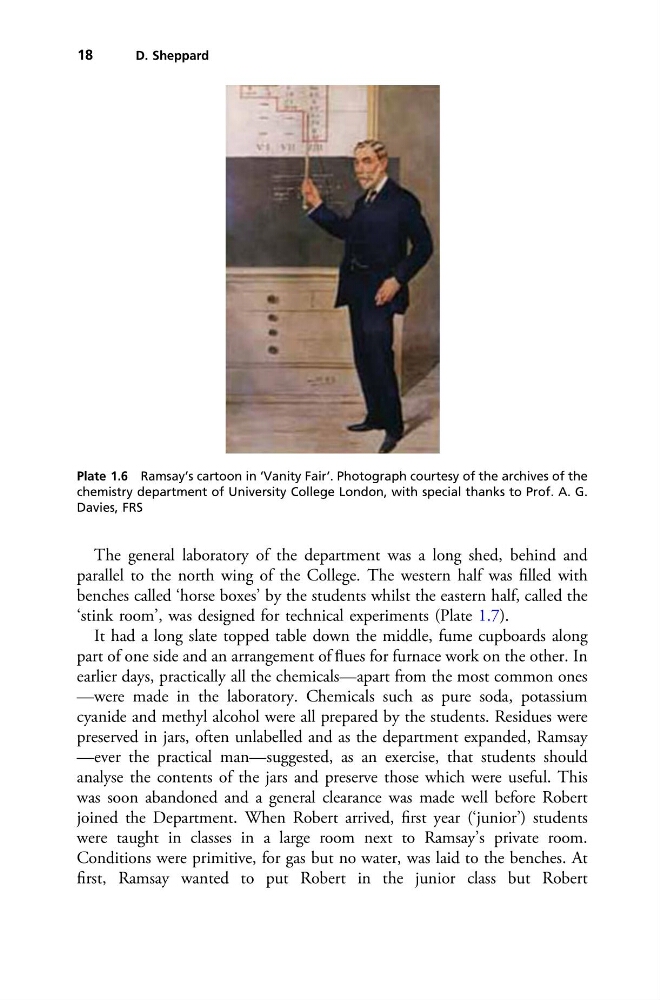
Plate 1.6 Ramsay’s cartoon in ‘Vanity Fair’. Photograph courtesy of the archives of the
chemistry department of University College London, with special thanks to Prof. A. G.
Davies, FRS
18
D. Sheppard
parallel to the north wing of the College. The western half was filled with
benches called ‘horse boxes’ by the students whilst the eastern half, called the
‘stink room’, was designed for technical experiments (Plate 1.7).
It had a long slate topped table down the middle, fume cupboards along
part of one side and an arrangement of flues for furnace work on the other. In
earlier days, practically all the chemicals—apart from the most common ones
—were made in the laboratory. Chemicals such as pure soda, potassium
cyanide and methyl alcohol were all prepared by the students. Residues were
preserved in jars, often unlabelled and as the department expanded, Ramsay
—ever the practical man—suggested, as an exercise, that students should
analyse the contents of the jars and preserve those which were useful. This
was soon abandoned and a general clearance was made well before Robert
joined the Department. When Robert arrived, first year (‘junior’) students
were taught in classes in a large room next to Ramsay’s private room.
Conditions were primitive, for gas but no water, was laid to the benches. At
first, Ramsay wanted to put Robert in the junior class but Robert
Plate 1.6 Ramsay’s cartoon in ‘Vanity Fair’. Photograph courtesy of the archives of the
chemistry department of University College London, with special thanks to Prof. A. G.
Davies, FRS
18
D. Sheppard