

Generals felt that the use of gas was ‘unchivalrous’, so many would not permit
its use ‘on their patch’ and they all realised that whatever wicked concoction
Germany came up with, the Allies would soon develop something equally—if
not more—diabolical. Even so, a trial release of cylinder gas was scheduled for
the Western Front in March 1915 at Ypres, an area controlled by the
reluctant General Deimling.
On 02 April 1915 in preparation for the attack, Haber had an opportunity
to test his theory of gas warfare when in a trial well behind the front line, he
and an army officer rode too close to the gas cloud and both nearly suffocated.
43 Haber was sick for days but he recovered and this incident confirmed
all his prejudices … gas warfare really wasn’t that bad. Preparations for the
attack continued however, and thousands of chlorine cylinders were dug in
and covered with earth along a ridge called ‘Hill 60’. However, the prevailing
winds were particularly unfavourable and the cylinders were recovered and
transferred to another location just west of the town of Langemarck. But
before many had been removed, the meteorologists called a halt as the winds
in the original site suddenly became favourable. General Deimling moved his
troops into position at 4 am ready for a morning attack in support of an early
gas release, but once again the winds failed. A furious Deimling rode to
Haber’s headquarters, and not for the first time in the war, the famous
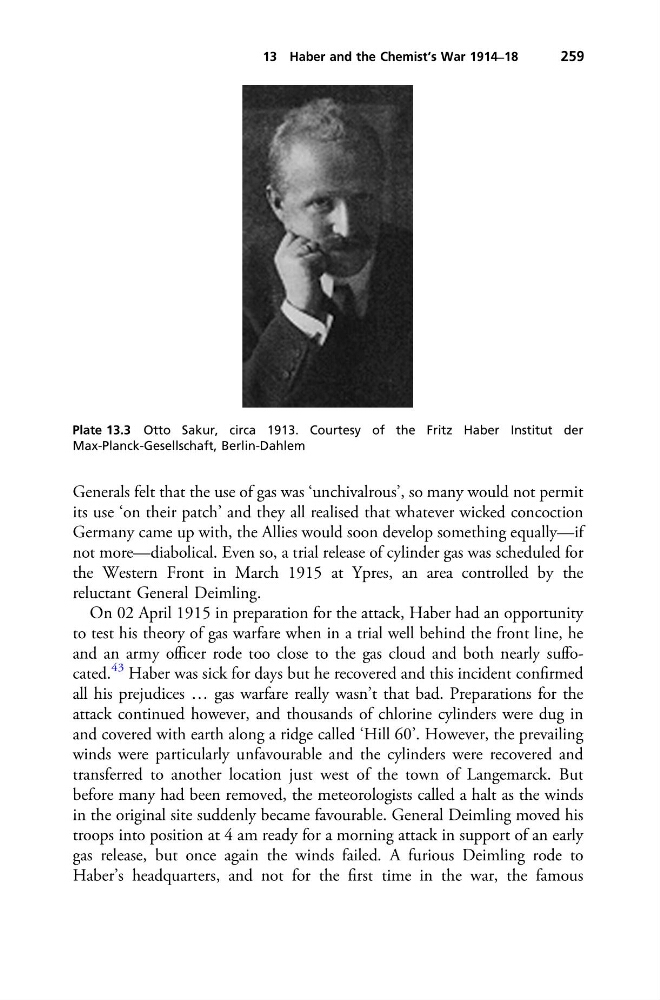
Plate 13.3 Otto Sakur, circa 1913. Courtesy of the Fritz Haber Institut der
Max-Planck-Gesellschaft, Berlin-Dahlem
13 Haber and the Chemist’s War 1914–18
259
its use ‘on their patch’ and they all realised that whatever wicked concoction
Germany came up with, the Allies would soon develop something equally—if
not more—diabolical. Even so, a trial release of cylinder gas was scheduled for
the Western Front in March 1915 at Ypres, an area controlled by the
reluctant General Deimling.
On 02 April 1915 in preparation for the attack, Haber had an opportunity
to test his theory of gas warfare when in a trial well behind the front line, he
and an army officer rode too close to the gas cloud and both nearly suffocated.
43 Haber was sick for days but he recovered and this incident confirmed
all his prejudices … gas warfare really wasn’t that bad. Preparations for the
attack continued however, and thousands of chlorine cylinders were dug in
and covered with earth along a ridge called ‘Hill 60’. However, the prevailing
winds were particularly unfavourable and the cylinders were recovered and
transferred to another location just west of the town of Langemarck. But
before many had been removed, the meteorologists called a halt as the winds
in the original site suddenly became favourable. General Deimling moved his
troops into position at 4 am ready for a morning attack in support of an early
gas release, but once again the winds failed. A furious Deimling rode to
Haber’s headquarters, and not for the first time in the war, the famous
Plate 13.3 Otto Sakur, circa 1913. Courtesy of the Fritz Haber Institut der
Max-Planck-Gesellschaft, Berlin-Dahlem
13 Haber and the Chemist’s War 1914–18
259