

IFTTT Rely Based a Semantic Web Approach …
395
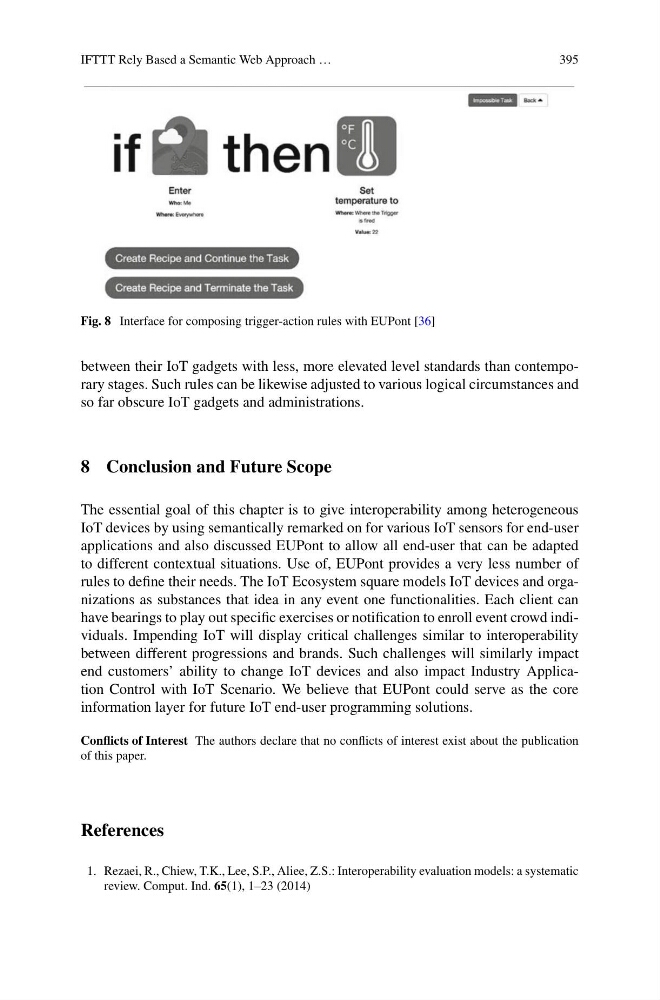
Fig. 8 Interface for composing trigger-action rules with EUPont [36]
between their IoT gadgets with less, more elevated level standards than contemporary stages. Such rules can be likewise adjusted to various logical circumstances and
so far obscure IoT gadgets and administrations.
8 Conclusion and Future Scope
The essential goal of this chapter is to give interoperability among heterogeneous
IoT devices by using semantically remarked on for various IoT sensors for end-user
applications and also discussed EUPont to allow all end-user that can be adapted
to different contextual situations. Use of, EUPont provides a very less number of
rules to define their needs. The IoT Ecosystem square models IoT devices and organizations as substances that idea in any event one functionalities. Each client can
have bearings to play out specific exercises or notification to enroll event crowd individuals. Impending IoT will display critical challenges similar to interoperability
between different progressions and brands. Such challenges will similarly impact
end customers’ ability to change IoT devices and also impact Industry Application Control with IoT Scenario. We believe that EUPont could serve as the core
information layer for future IoT end-user programming solutions.
Conflicts of Interest The authors declare that no conflicts of interest exist about the publication
of this paper.
References
1. Rezaei, R., Chiew, T.K., Lee, S.P., Aliee, Z.S.: Interoperability evaluation models: a systematic
review. Comput. Ind. 65(1), 1–23 (2014)
395
Fig. 8 Interface for composing trigger-action rules with EUPont [36]
between their IoT gadgets with less, more elevated level standards than contemporary stages. Such rules can be likewise adjusted to various logical circumstances and
so far obscure IoT gadgets and administrations.
8 Conclusion and Future Scope
The essential goal of this chapter is to give interoperability among heterogeneous
IoT devices by using semantically remarked on for various IoT sensors for end-user
applications and also discussed EUPont to allow all end-user that can be adapted
to different contextual situations. Use of, EUPont provides a very less number of
rules to define their needs. The IoT Ecosystem square models IoT devices and organizations as substances that idea in any event one functionalities. Each client can
have bearings to play out specific exercises or notification to enroll event crowd individuals. Impending IoT will display critical challenges similar to interoperability
between different progressions and brands. Such challenges will similarly impact
end customers’ ability to change IoT devices and also impact Industry Application Control with IoT Scenario. We believe that EUPont could serve as the core
information layer for future IoT end-user programming solutions.
Conflicts of Interest The authors declare that no conflicts of interest exist about the publication
of this paper.
References
1. Rezaei, R., Chiew, T.K., Lee, S.P., Aliee, Z.S.: Interoperability evaluation models: a systematic
review. Comput. Ind. 65(1), 1–23 (2014)